Fibonacci in the Garden—Take 2
Just a couple of Fibonacci thoughts after a weekend in the garden…
Mystery of the Sixes
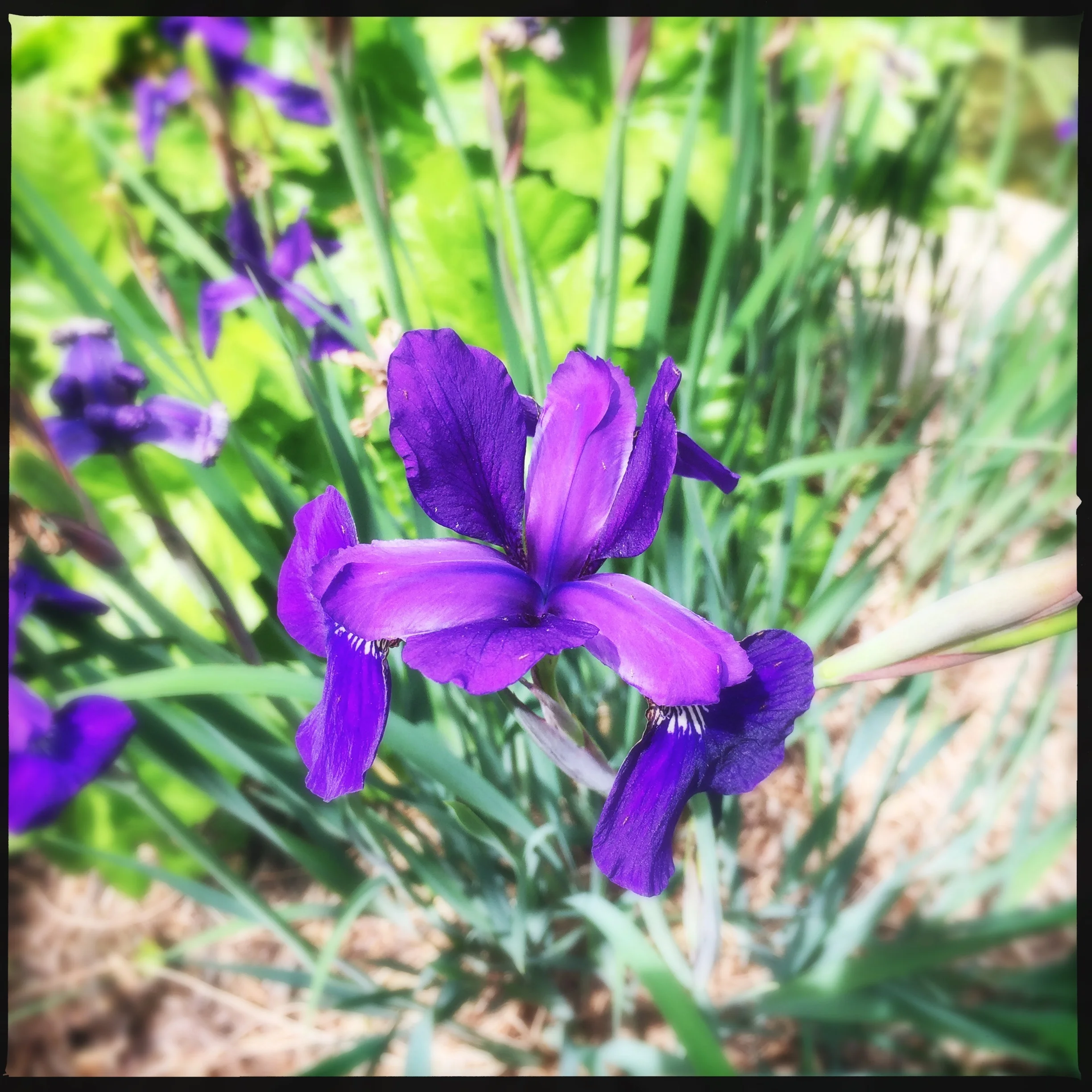
Many times I’m asked, “Why do so many flowers have six petals? Six isn’t a Fibonacci number.” Well, it’s true that six isn’t a Fibonacci number, but three is, and many times the flower you’re examining isn’t truly a six-petal flower at all. It is, instead, a three-on-three petal flower. Here’s one of my favorites—the Siberian iris. At first glance, it is a six-petal flower. But then, notice: the three center petals are different from the three outer petals. The dark outer set unfurled first, and set the stage for the lighter-colored inner set of petals. Let that be a lesson to us all. That which appears to be un-Fibonacci sometimes proves to be Fibonacci times two!

Columbine Flowers
These pretty yellow columbine flowers just popped in my garden. (I like to pretend that the little statue is of Fibonacci himself!) Looking closely, I discovered an inner set of five petals and an outer set of five petals. Fibonacci numbers circling Fibonacci numbers...
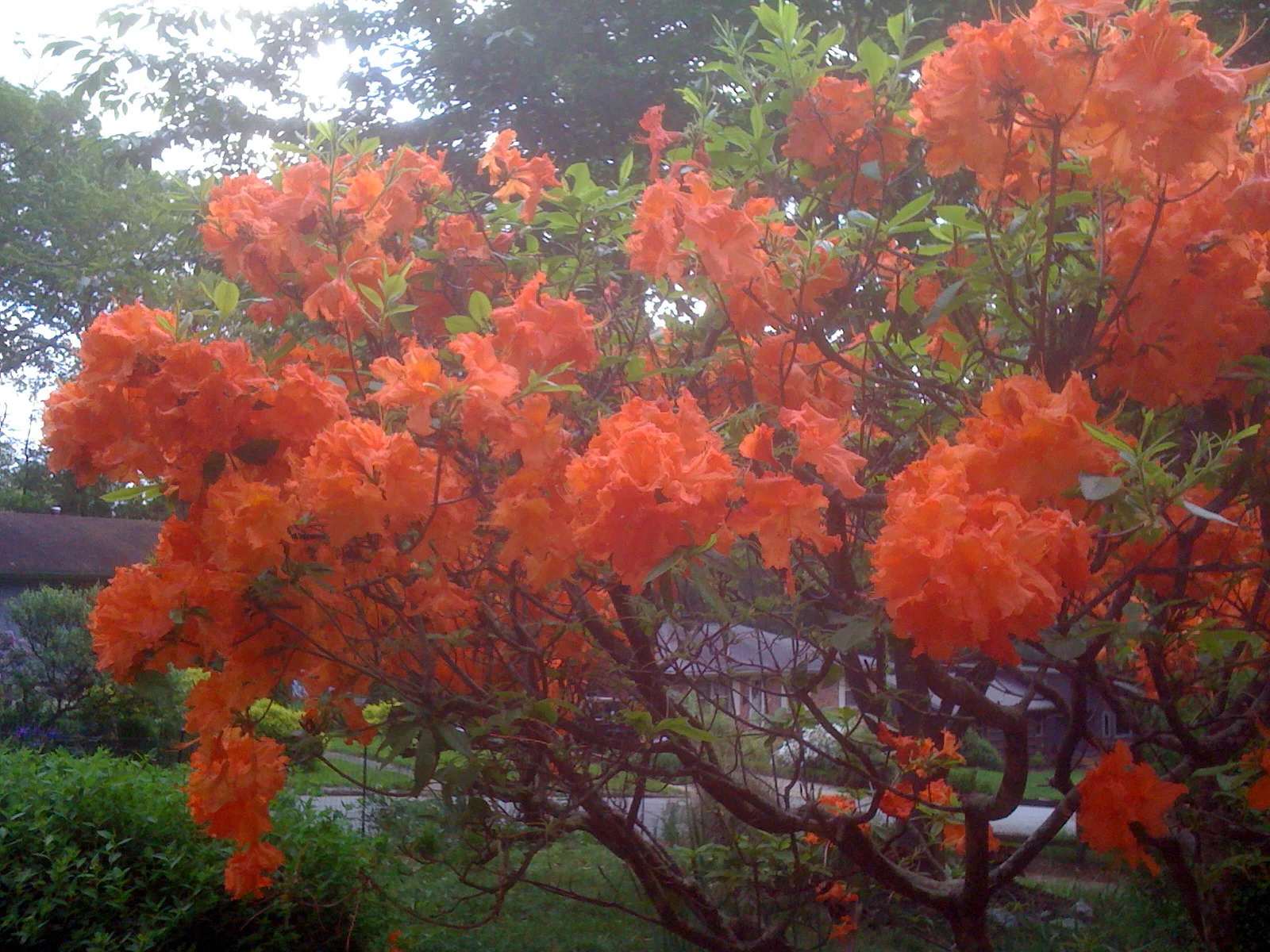
Azaleas Yes, Fibonacci No.
These gorgeous flame azaleas used to pop every spring in front of our first house in North Carolina. The old, brittle shrub wasn’t planted in the ideal spot for azaleas, and always struggled in the heat of the summer. But we loved seeing its riotous color every spring.
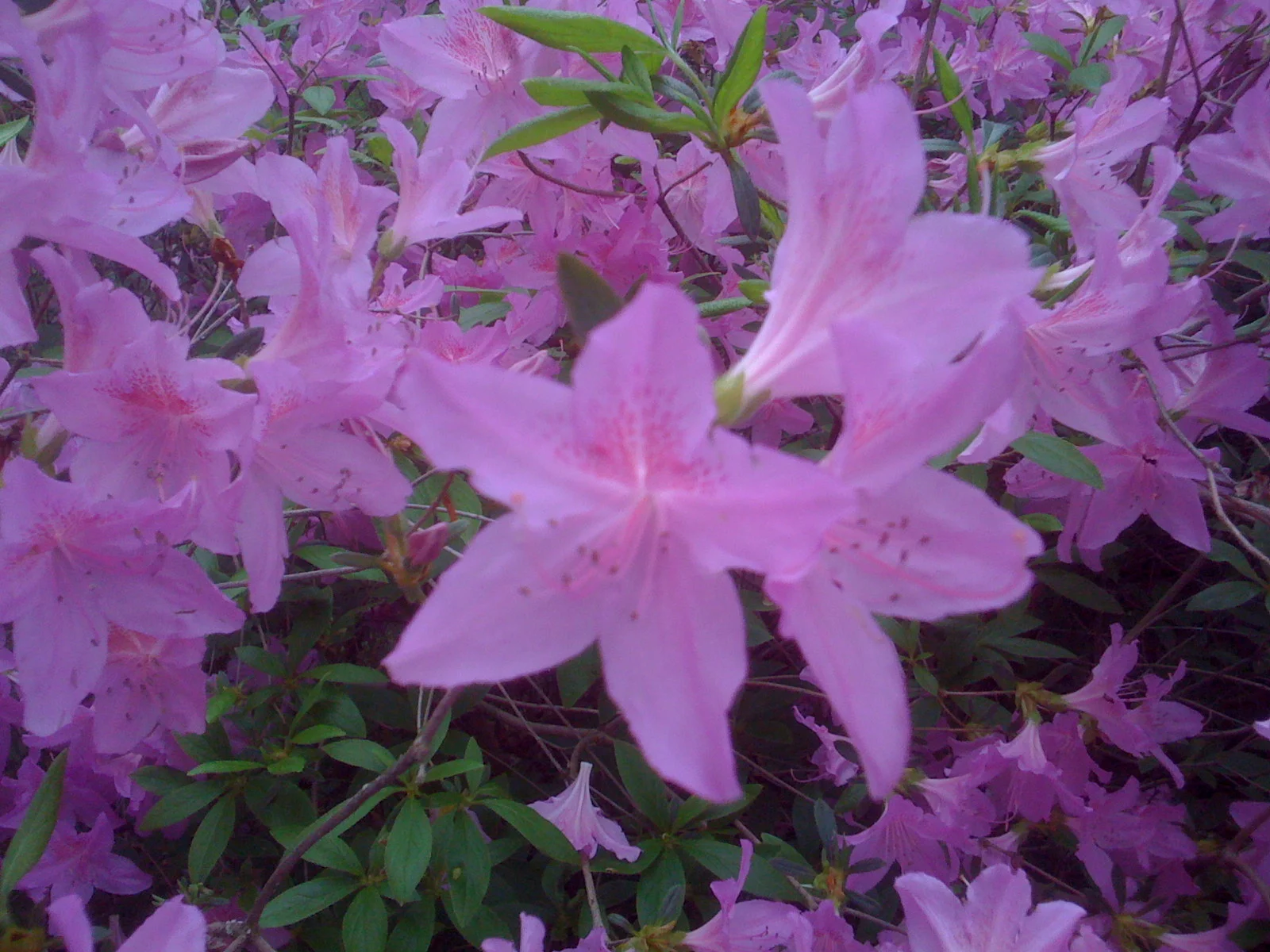
Azalea flowers typically have 5 petals, which is indeed a Fibonacci number. (This bottom pic of pink ones shows this clearly.) But another source tells me 5 to 7 is the the normal range. This used to make me nuts. Five to seven? Why, oh why, couldn’t it be five to eight, since eight is a Fibonacci number? The answer is, nature does whatever it wants. Statistically speaking, seven is close enough to fall into the Fibonacci range. But you’d have to count a million azalea flowers to chart the results and prove it for yourself...
If you liked this post, check out the others in the series:
Fibonacci in the Garden, Take 1
Fibonacci in the Garden, Take 3
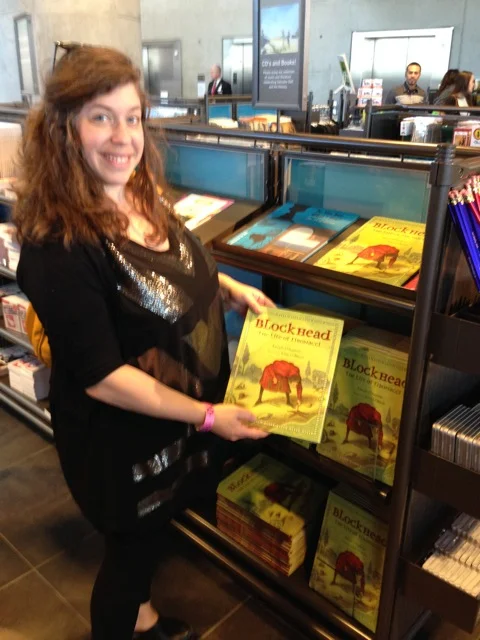
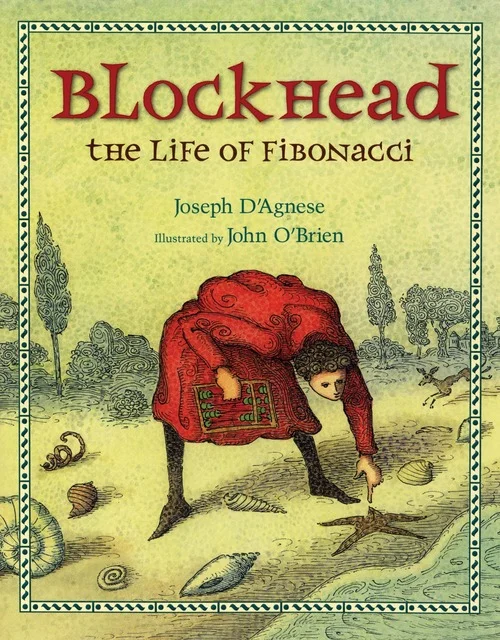
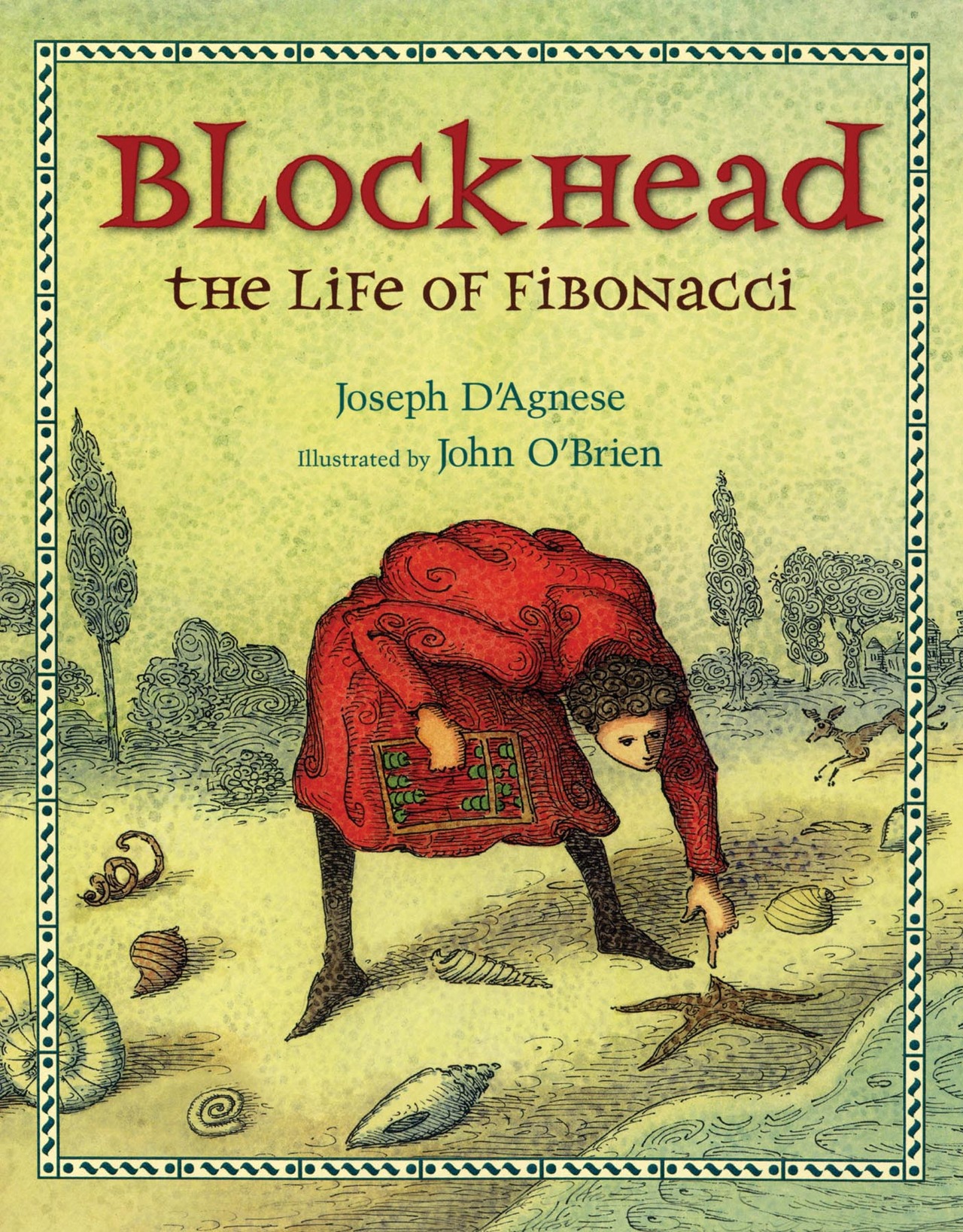
Learn more about my Fibonacci book for kids here.
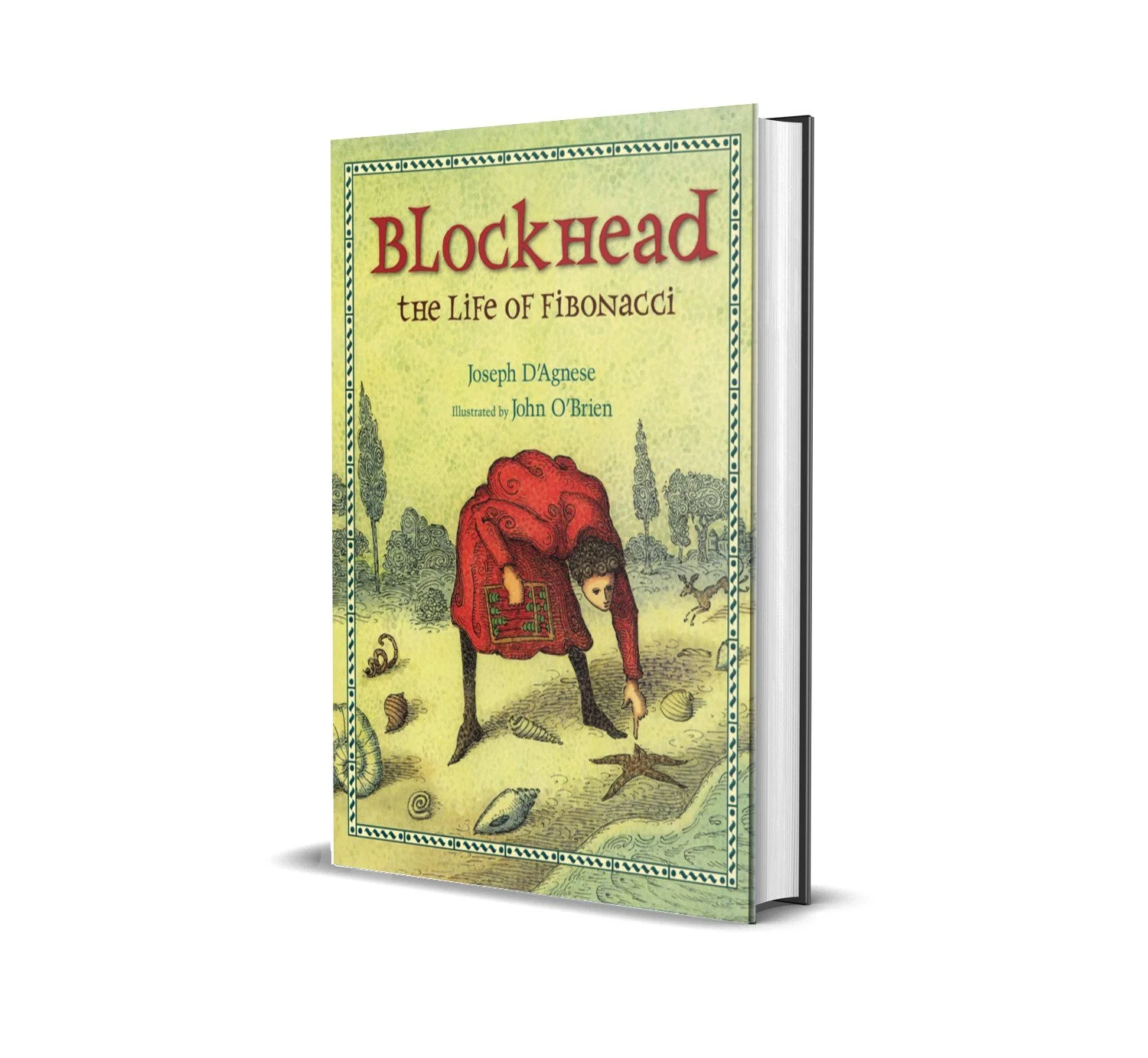
BUY BLOCKHEAD: THE LIFE OF FIBONACCI
hardcover: Bookshop | Amazon | B&N | Books-A-Million |
autographed: Malaprop’s
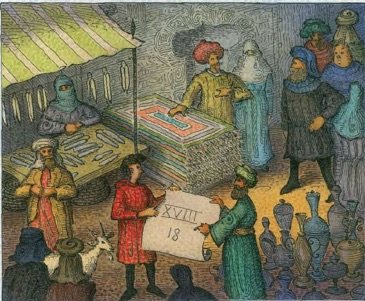
Leonardo Pisano, aka Fibonacci, was one of the greatest mathematicians Europe ever produced. He lived in the Middle Ages. But modern mathematicians never read his work because he wrote in Latin. Latin scholars know nothing about math. And mathematicians don’t read Latin. So while you can go to a bookstore and find tons of classical literature translated from the original Greek and Latin, you are unlikely to find the translated works of Fibonacci, who wrote at least five texts in his lifetime that have survived to our time.
If his work was going to be made accessible to 20th and 21st century researchers, someone would have to translate his work into a modern language. Portions of his output had been translated over the centuries, but a fresh translation would bring his work to greater audiences. That person turned out to be…
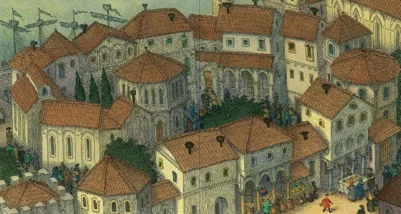
I’ve spent an inordinate amount of time in my professional life writing articles about the mathematician Leonardo Fibonacci. Most of those pieces were for math magazines aimed at kids. (I was working at Scholastic when I sold my children’s book about Fibonacci.) Then, many years ago, when I was living in Italy, I wrote about Fibonacci for a short-lived daily newsletter on Italian life and culture.
Both the editor and I were astonished by the response that that tiny story. Either people had never heard of Fibonacci, the Sequence, or the Numbers. Or they knew the name from the world of investing, but did not know about Leonardo himself. That taught me a lesson: Fibonacci’s story is amazing enough to interest adults as well.
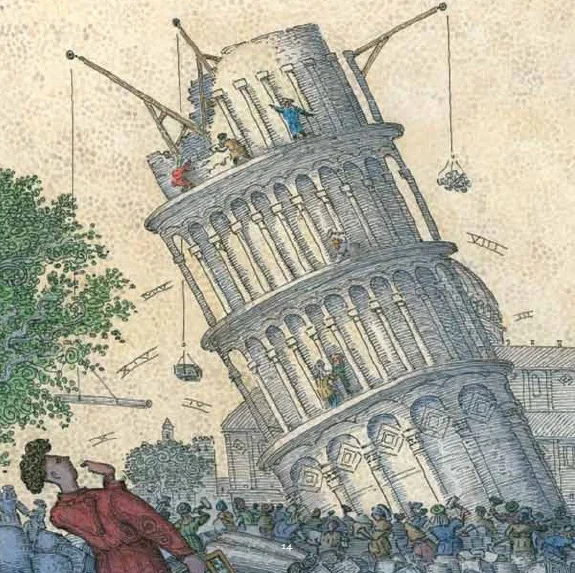
A few years ago I wrote a long post about Fibonacci books…for kids, grownups, and serious math geeks. That post ended up being very long, and I now think it makes more sense to split it up.
To that end, here’s my current recommendations for books for kids about Leonardo Fibonacci and the famous Fibonacci Sequence that bears his name. The list begins with books teachers and homeschoolers can use to the teach the Sequence. Then it moves on to books that will appeal to kids…
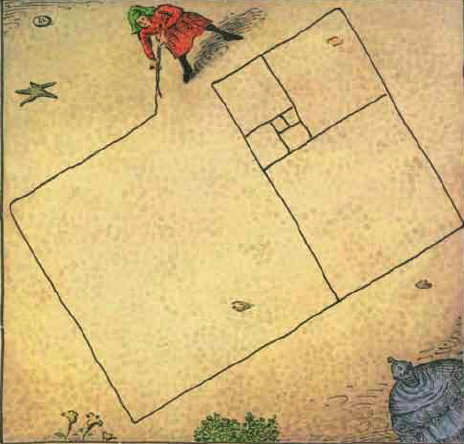
Fibonacci Day comes around so infrequently that I feel I must seize the day. So here are some fun facts about Leonardo…
I have a post up on SleuthSayers today, which is the day after Thanksgiving here in the United States. Since it’s been a busy week, I’m repurposing a post I wrote back in 2010 for another site. I’ve always liked this article, and I’m glad to have reclaimed it and updated it slightly for a new audience. Here’s how it opens:
Yesterday was Thanksgiving in the United States. But if you happen to be an American mathematician, yesterday was more than just turkey and families. It was Fibonacci Day, so named because the month and date—in American notation, anyway—expressed the first four digits in the famous number sequence: 1, 1, 2, 3. (Oh, to have been alive on 11/23/58!) To talk about that, I’m repurposing an article I wrote years ago for a website that has since gone dark.
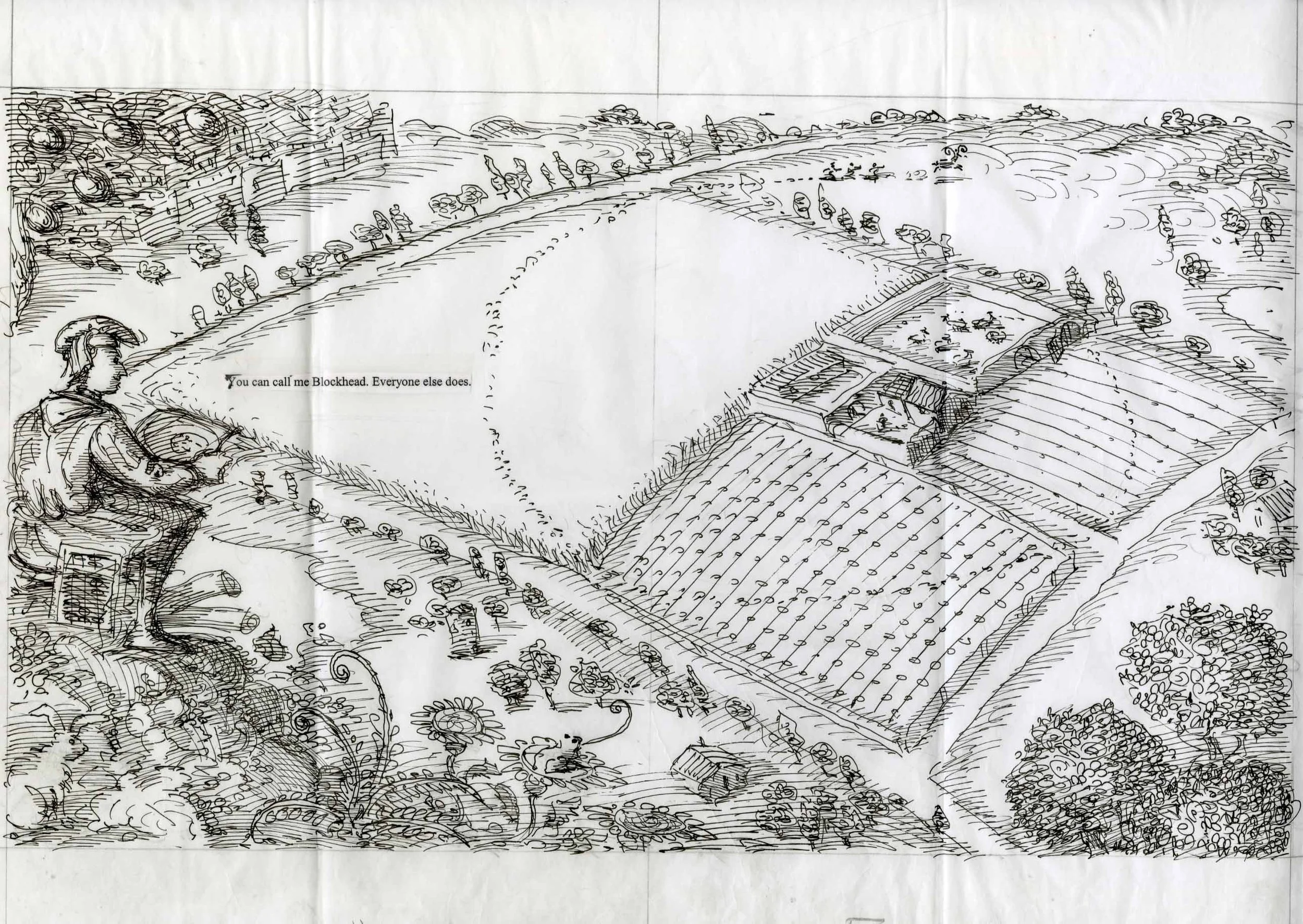
When I meet math teachers at schools or conferences, they assume that I am a lifelong math lover since my picture book is about Leonardo of Pisa, namesake of the Fibonacci Sequence. I should come clean. Math teachers, here’s what I’ve been ashamed to confess: When I was a kid, there was no subject I feared more than math.

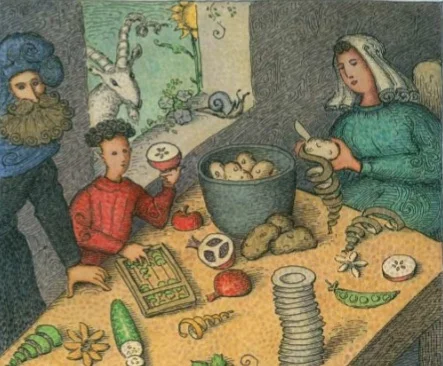


I compiled a list of fun facts about this brilliant mathematician after reading two biographies. The oddest little things stayed with me, and here they are…