Rethinking the Happy Hollisters


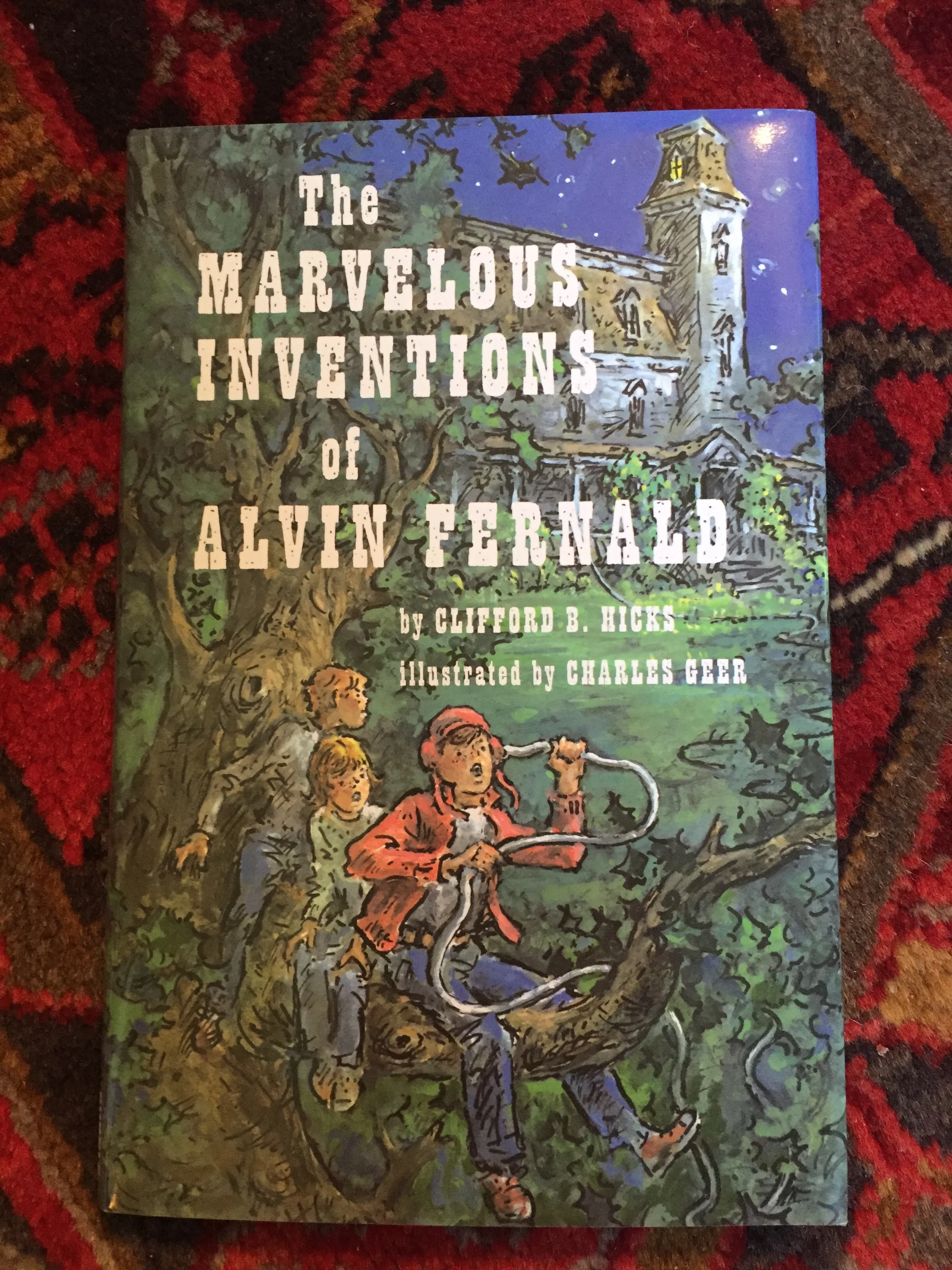
The Happy Hollisters were a family of amateur sleuths in a book series I read as a kid. Today I’m talking about them over at SleuthSayers. At first, I wanted to just talk about the Hollisters, but the conversation turned into something deeper, touching on the recent trend toward revising old books by famous authors. I don’t have all the answers, but I’m hoping that the post generates some interesting discussion in the comments. I hope you’ll stop by. The post is entitled:
Yikes! and Crickets! The Happy Hollisters are back!
Here’s a sample of the post:
That brings up a host of questions I don’t feel qualified to answer, or even grapple with. But’ll throw them all at you, because some of you have been at this game longer than I have, and probably can offer some coherent responses.
If it was okay to revise the old Hardy Boys and Nancy Drews, why isn’t it okay to revise Fleming, Dahl, LeGuin, or Christie?
Is it because the Hardy Boys and Nancy Drew aren’t considered great literature?
Because they were written by an ever-revolving team of house writers?
Because they were mystery novels for kids?
What’s really the issue? Are we okay protecting kids from potentially troubling content, but comfortable allowing adult readers to make up their own minds about the content they consume?
How does this connect with banning books?
Those old Hollister books are now available in ebook, hardcover, paperback, and audiobook. Judging from the reviews, modern readers really seem to enjoy them. You can check out the series here (affiliate link):
The Happy Hollisters 33-Book Series
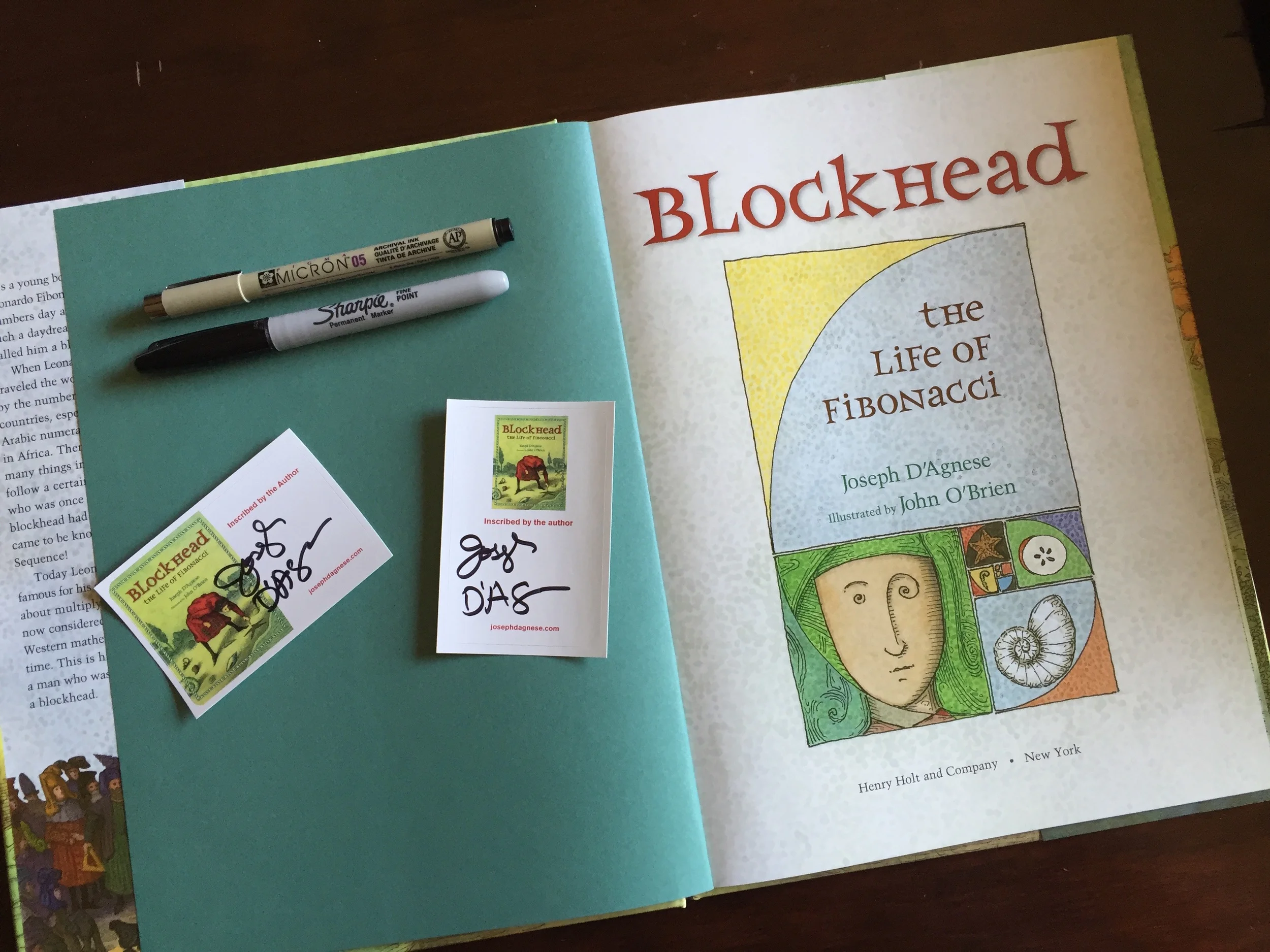
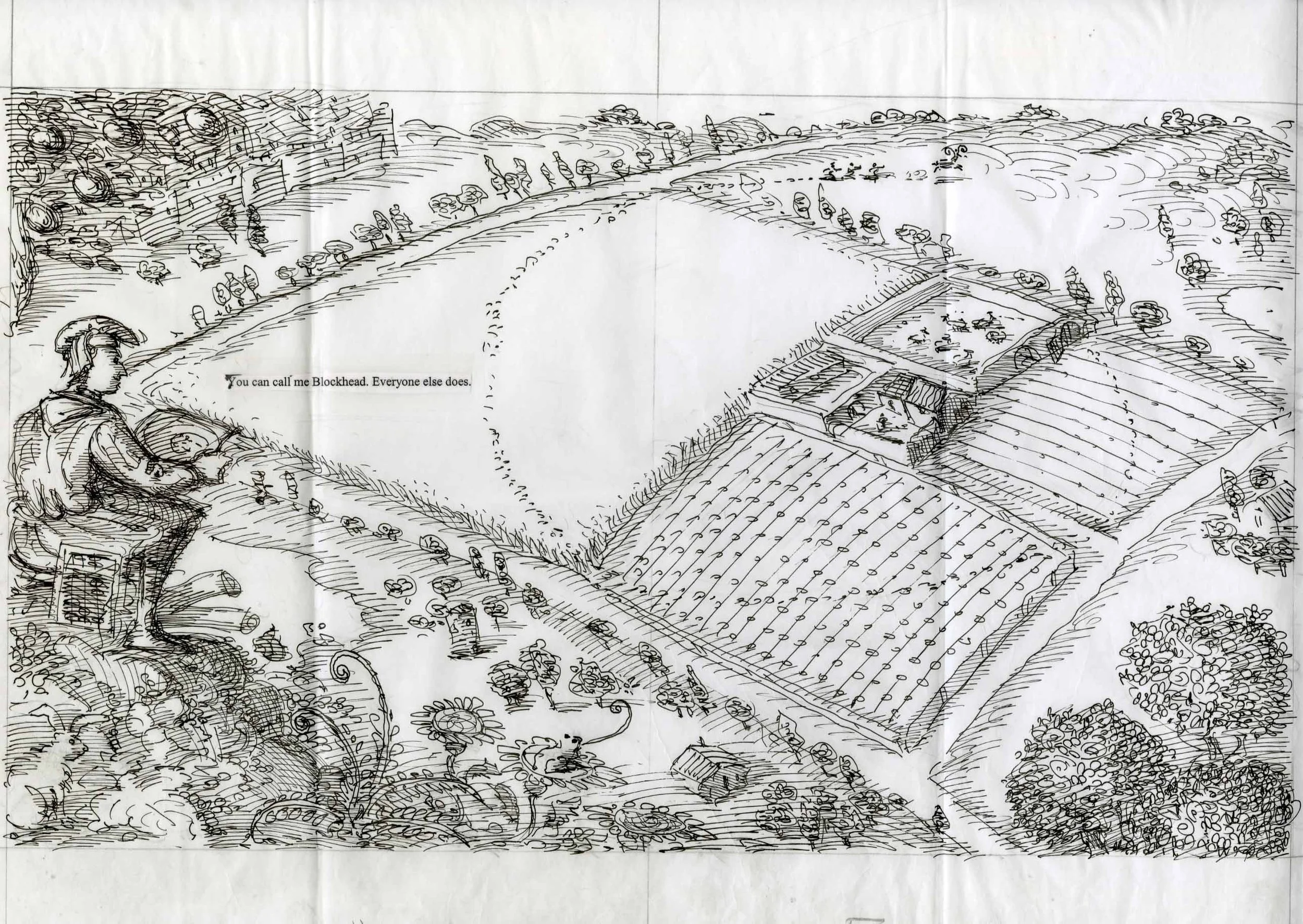
Thanks for stopping by. If you’re interested in children’s books, I hope you will check out my book about the life of mathematician Leonardo Fibonacci.
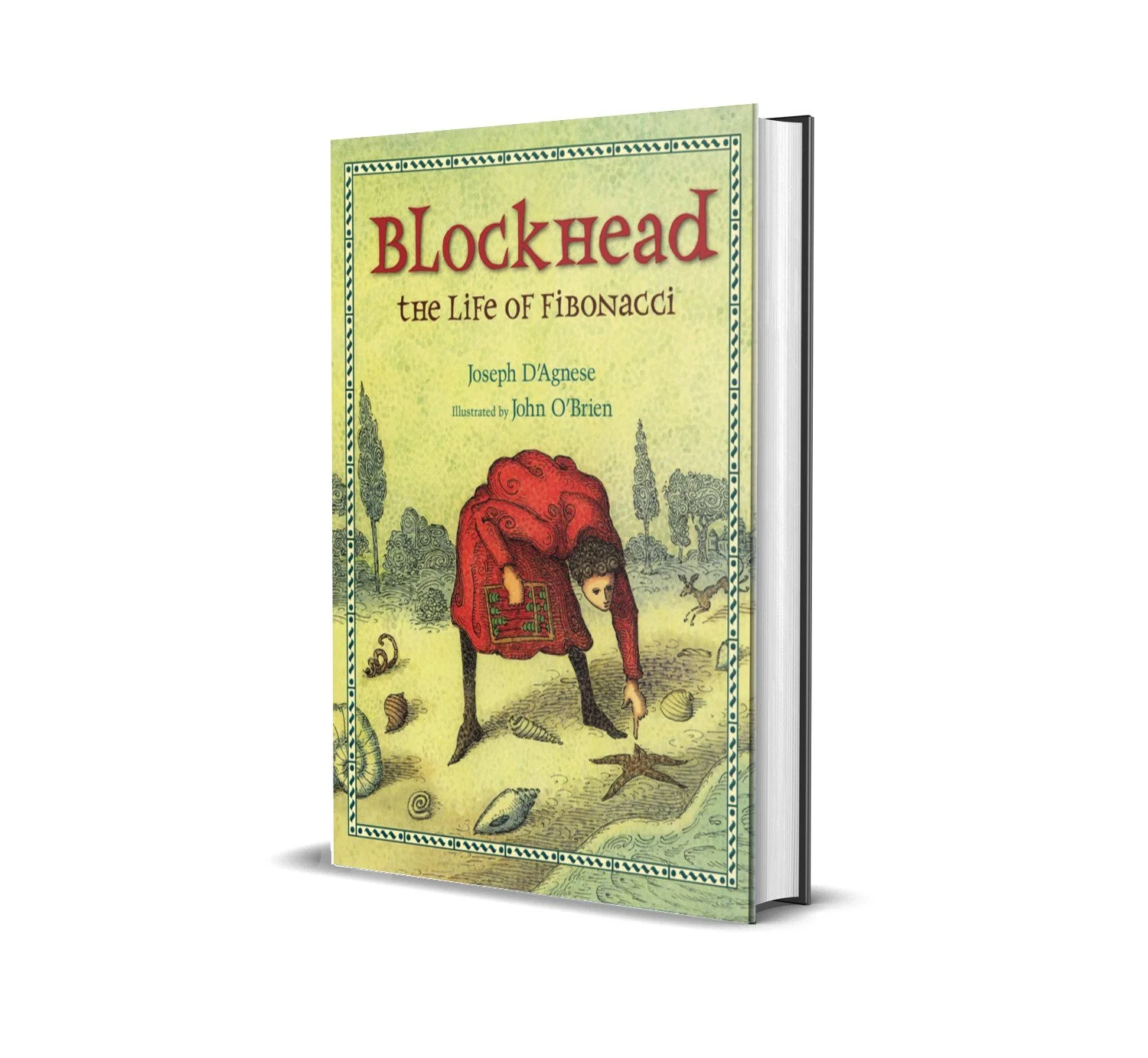
BUY BLOCKHEAD: THE LIFE OF FIBONACCI
hardcover: Bookshop | Amazon | B&N | Books-A-Million |
autographed: Malaprop’s
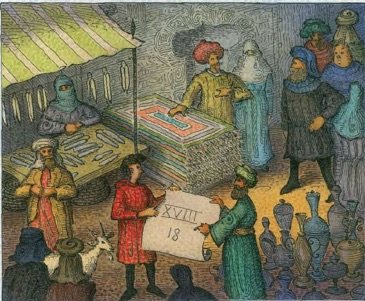
Leonardo Pisano, aka Fibonacci, was one of the greatest mathematicians Europe ever produced. He lived in the Middle Ages. But modern mathematicians never read his work because he wrote in Latin. Latin scholars know nothing about math. And mathematicians don’t read Latin. So while you can go to a bookstore and find tons of classical literature translated from the original Greek and Latin, you are unlikely to find the translated works of Fibonacci, who wrote at least five texts in his lifetime that have survived to our time.
If his work was going to be made accessible to 20th and 21st century researchers, someone would have to translate his work into a modern language. Portions of his output had been translated over the centuries, but a fresh translation would bring his work to greater audiences. That person turned out to be…
I’ve spent an inordinate amount of time in my professional life writing articles about the mathematician Leonardo Fibonacci. Most of those pieces were for math magazines aimed at kids. (I was working at Scholastic when I sold my children’s book about Fibonacci.) Then, many years ago, when I was living in Italy, I wrote about Fibonacci for a short-lived daily newsletter on Italian life and culture.
Both the editor and I were astonished by the response that that tiny story. Either people had never heard of Fibonacci, the Sequence, or the Numbers. Or they knew the name from the world of investing, but did not know about Leonardo himself. That taught me a lesson: Fibonacci’s story is amazing enough to interest adults as well.
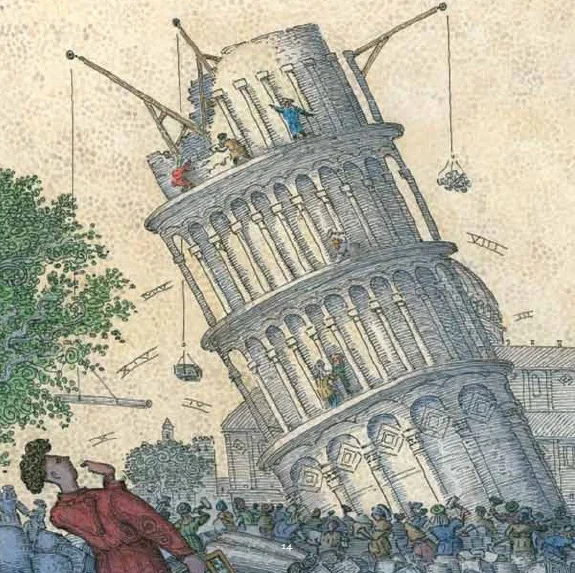
A few years ago I wrote a long post about Fibonacci books…for kids, grownups, and serious math geeks. That post ended up being very long, and I now think it makes more sense to split it up.
To that end, here’s my current recommendations for books for kids about Leonardo Fibonacci and the famous Fibonacci Sequence that bears his name. The list begins with books teachers and homeschoolers can use to the teach the Sequence. Then it moves on to books that will appeal to kids…
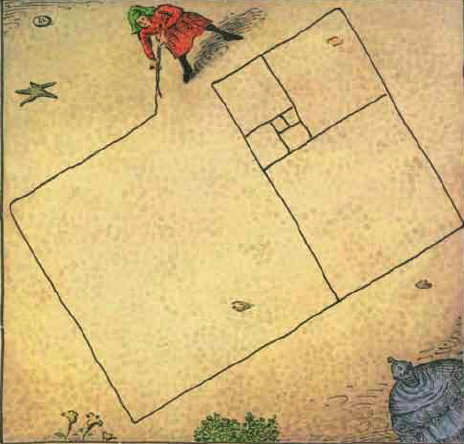
Fibonacci Day comes around so infrequently that I feel I must seize the day. So here are some fun facts about Leonardo…
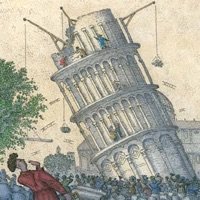
I have a post up on SleuthSayers today, which is the day after Thanksgiving here in the United States. Since it’s been a busy week, I’m repurposing a post I wrote back in 2010 for another site. I’ve always liked this article, and I’m glad to have reclaimed it and updated it slightly for a new audience. Here’s how it opens:
Yesterday was Thanksgiving in the United States. But if you happen to be an American mathematician, yesterday was more than just turkey and families. It was Fibonacci Day, so named because the month and date—in American notation, anyway—expressed the first four digits in the famous number sequence: 1, 1, 2, 3. (Oh, to have been alive on 11/23/58!) To talk about that, I’m repurposing an article I wrote years ago for a website that has since gone dark.
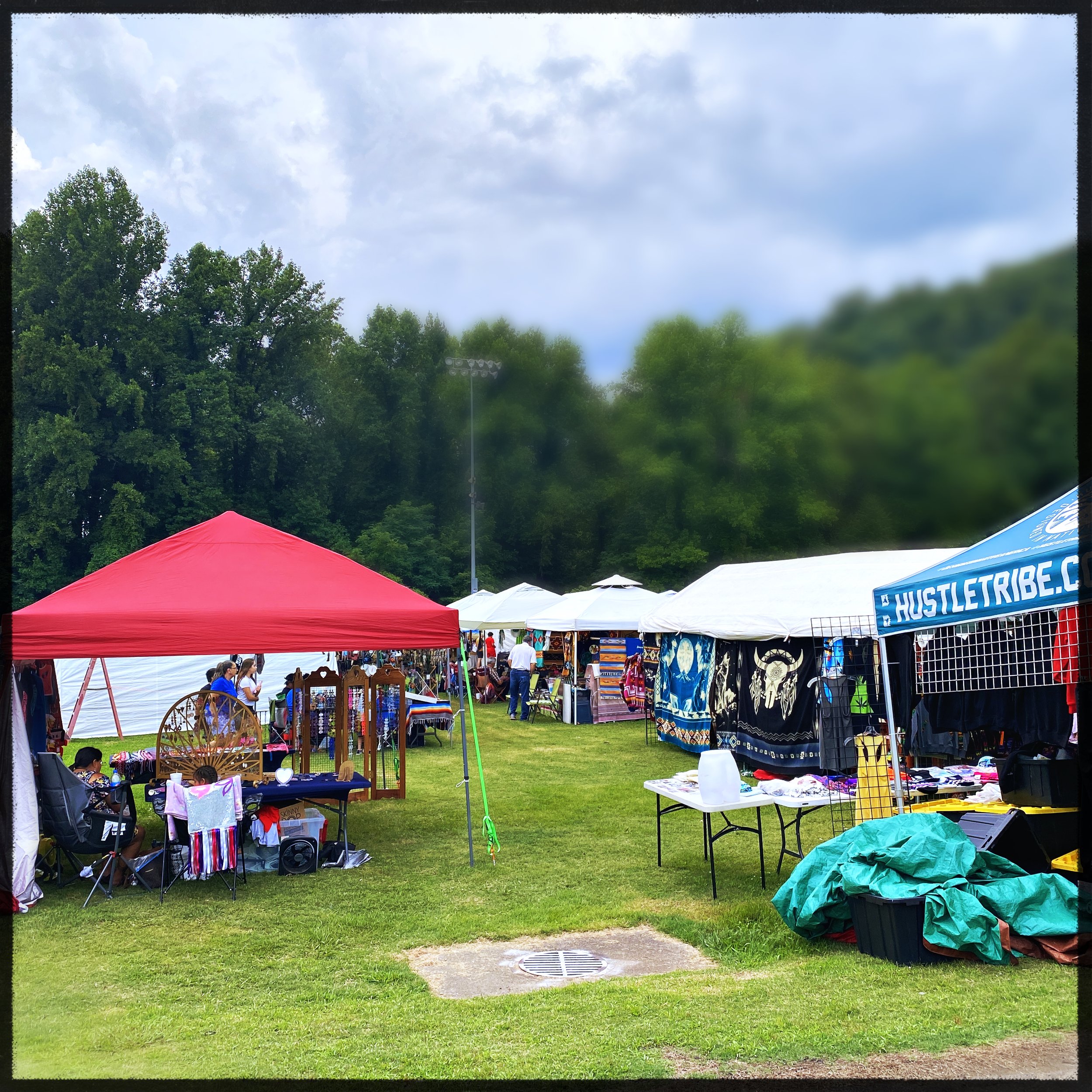
I’ve got a post running today over at SleuthSayers on the topic of indigenous mysteries for kids. November is the start of Native American Heritage Month in the United States, and I’ve wanted to talk about some of the books I picked up when we visited Cherokee, North Carolina, back in summer. The three I’m recommending today…
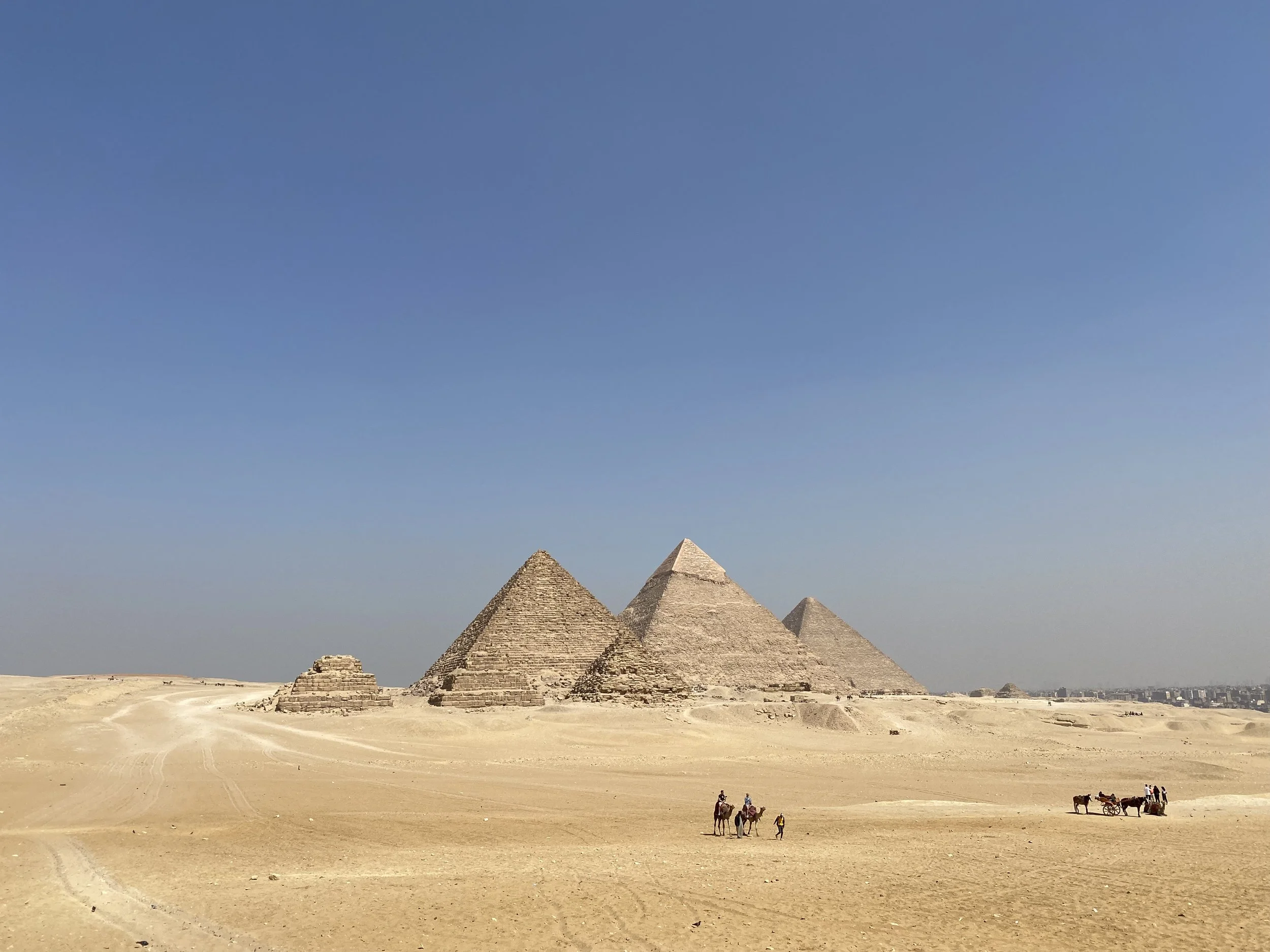
Back in 2015, I attended the Bouchercon mystery conference in Raleigh, and sat listening to a panel discussion in which a bunch of mystery writers recommended some of their favorite books. When her turn came, the New York Times Bestselling author Laura Lippman mentioned a children’s book entitled The Egypt Game, by Zilpha Keatley Snyder. I remember her saying it was an unusual book for kids, because its key subplot deals with the murder of a child.
Published in 1967, the title was named a Newbery Honor book. That’s one of the top two awards a children’s book can receive. Clearly, it was highly regarded by many in its heyday, though I had never heard of it…
When a kid gets hooked on a topic like number patterns or math in nature, you just want to feed that excitement because you don’t know where it is going to lead. Teachers, parents, and librarians often ask me to recommend books about Fibonacci beyond my own.
To that end, I’ve compiled what I hope is a pretty good Fibonacci bibliography. It contains books for kids, adults, and even serious mathematicians. I’m parking this list on the blog with the expectation that I’ll revise it as new books come along. The link is easily shareable if you want to shoot it to a friend or colleague.
When I meet math teachers at schools or conferences, they assume that I am a lifelong math lover since my picture book is about Leonardo of Pisa, namesake of the Fibonacci Sequence. I should come clean. Math teachers, here’s what I’ve been ashamed to confess: When I was a kid, there was no subject I feared more than math.

The Happy Hollisters were a family of crime fighters in a book series I read as a kid. Today I’m talking about them over at SleuthSayers. At first, I wanted to just talk about the Hollisters, but the conversation turned into something deeper…