O. Henry’s Magical Magi Mystery
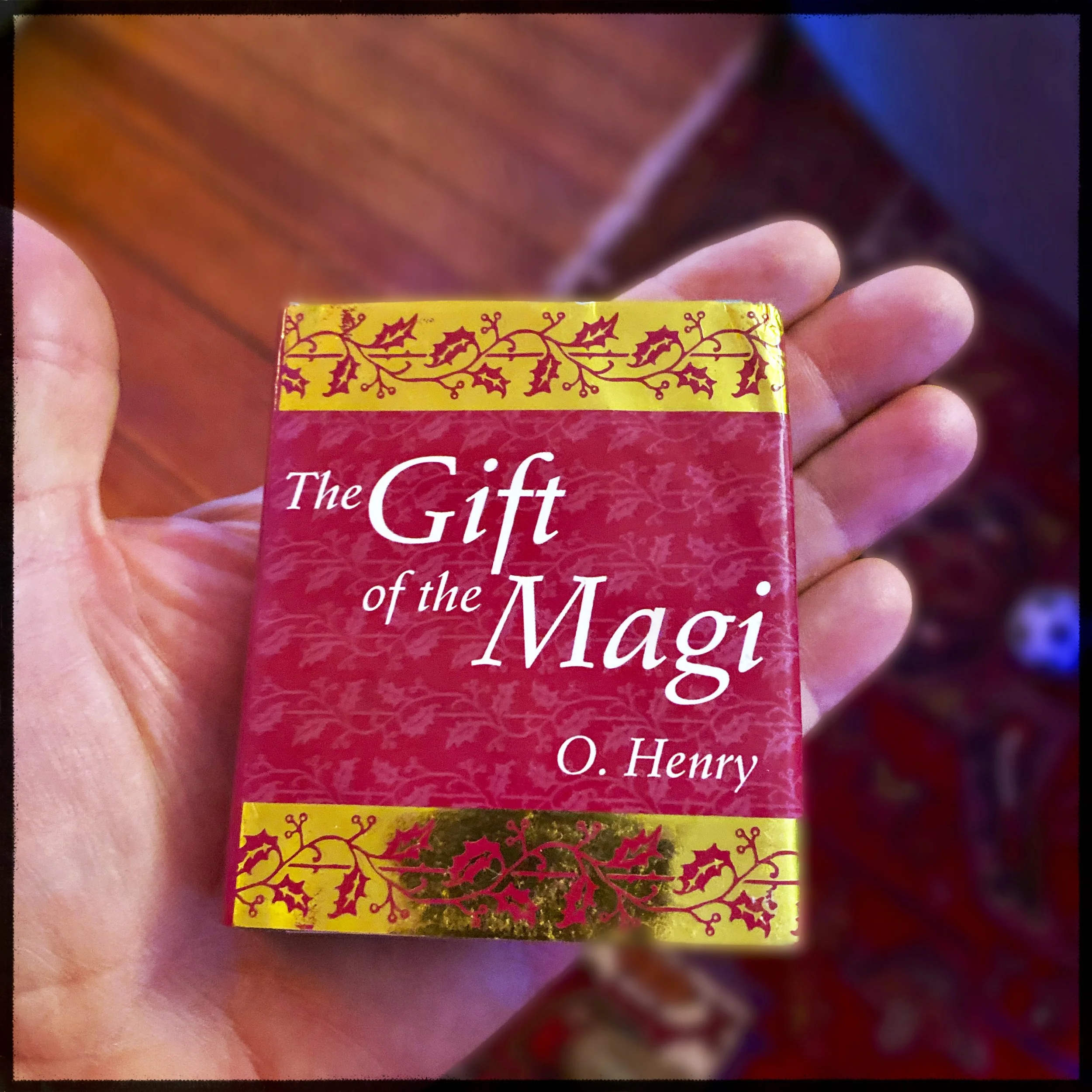
That is one very tiny book.
One of my rituals of the Christmas season is taking the time to read O. Henry’s charming, heartfelt story, “The Gift of the Magi.” It is only 2,000 words long, and a great snapshot of life in New York City at the turn of the 20th century. My particular favorite is the last paragraph, which at first glance seems a little redundant, until you realize that it needs to be. That said, I have an article at SleuthSayers today that focuses primarily on the “mystery” inherent in the story’s very first paragraph.
You can read my article at this link. It is called:
Here is part of what I am saying:
What Porter (1862-1910) thought of the story, the creative decisions he made while writing it, are lost to history, though numerous books share sweet anecdotes about its writing, like the ones I mentioned above. I love the last graf of the story, and never tire of rereading it. But there is a genuine mystery embedded in the first graf of the story. Let’s all play detective, and see if we can spot it:
One dollar and eighty-seven cents. That was all. And sixty cents of it was in pennies. Pennies saved one and two at a time by bulldozing the grocer and the vegetable man and the butcher until one’s cheeks burned with the silent imputation of parsimony that such close dealing implied. Three times Della counted it. One dollar and eighty-seven cents. And the next day would be Christmas.
You spotted it, didn’t you?
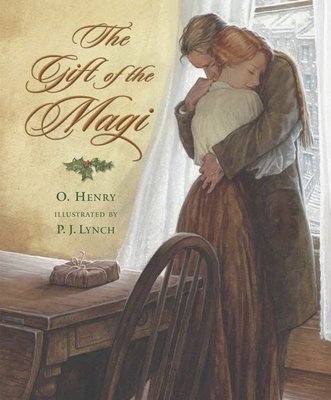
The Gift of the Magi
Illustrated by P.J. Lynch. (The same artist did a wonderful version of Dickens’s A Christmas Carol.)
Sorry to leave you hanging, but you will just have to go read the whole post to learn about the mystery. And when you do, you might think it a slight topic for an article, but SleuthSayers is, after all, a blog run by short story mystery writers, so it is right up our alley to talk about curious mysteries inherent in short stories.
The back story on this one is actually fascinating, and delves into early American history, numismatics, my childhood, and so on. I hope you will stop by and check it out.
If you are looking for a great version of the story to read, or give as a gift, there are a few decent options. One is an illustrated edition for kids by artist P.J. Lynch. (affiliate link here and later.)
If you go looking for this book on other sites, make sure you are choosing the one with the cover shown here. Since O. Henry’s story is in the public domain, it means that lots of publishers have released crappy versions of the story. The links get confusing online, and sometimes lead back to shoddy paperbacks.
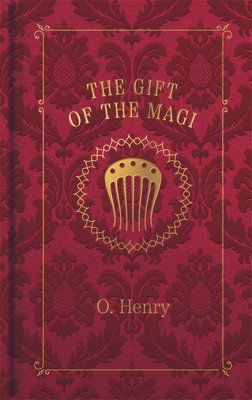
And since this really is a very short story, it really isn’t long enough to justify a nice gift edition—unless the publisher packages it thoughtfully in a trim size edition that honors the story.
One edition I like that does this is the one put out by Applewood Books. They do a lovely job of packaging classic American books, fiction or nonfiction. I often see their books in historic gift shops.
Two more things. If you are really into Christmas books, you probably ought to check out the longer post on Christmas Books I did back in 2023.
You can find it right here:
That’s all. Go check out both posts. Hope you have a blast.
And since I built up O. Henry’s story so much, I feel compelled to reprint its famous conclusion. You might have to read it a few times to let it work its magic on you. But why not? It’s lovely:
The magi, as you know, were wise men—wonderfully wise men—who brought gifts to the Babe in the manger. They invented the art of giving Christmas presents. Being wise, their gifts were no doubt wise ones, possibly bearing the privilege of exchange in case of duplication. And here I have lamely related to you the uneventful chronicle of two foolish children in a flat who most unwisely sacrificed for each other the greatest treasures of their house. But in a last word to the wise of these days let it be said that of all who give gifts these two were the wisest. Of all who give and receive gifts, such as they are wisest. Everywhere they are wisest. They are the magi.
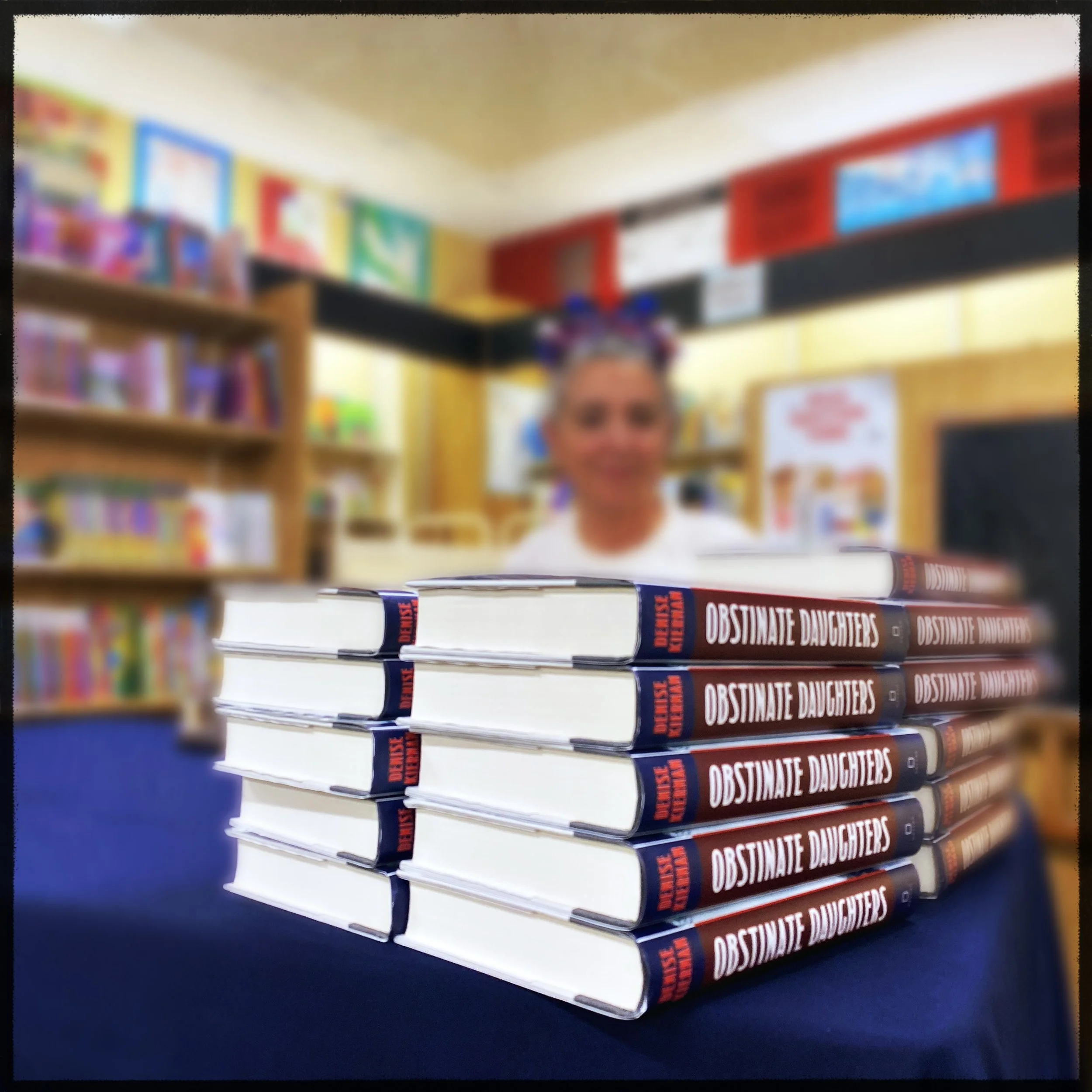
I’ve been on the road with my wife Denise Kiernan as she visits bookstores and promotes her new book, Obstinate Daughters, about the women behind the American Revolution. The experience of being on the road together to sell copies of a RevWar book brought back a ton of memories—going as far back as childhood. “I have been here before, and before, and before,” is all I keep thinking. Why? In 1976…
In another week or so students all over the nation and world will start donning their gowns and mortarboards and march joyfully into arenas to collect their diplomas. A rite of passage that never gets old. Today at SleuthSayers I’m reminiscing about one of my first job interviews. It was for a job that I would have liked in the book publishing world. I didn’t do many book publishing interviews when I was fresh out of school. I was so focused on landing a job at a magazine, since that was the focus of my college study. But this job—which I didn’t get—would have been special. It was the only one that…
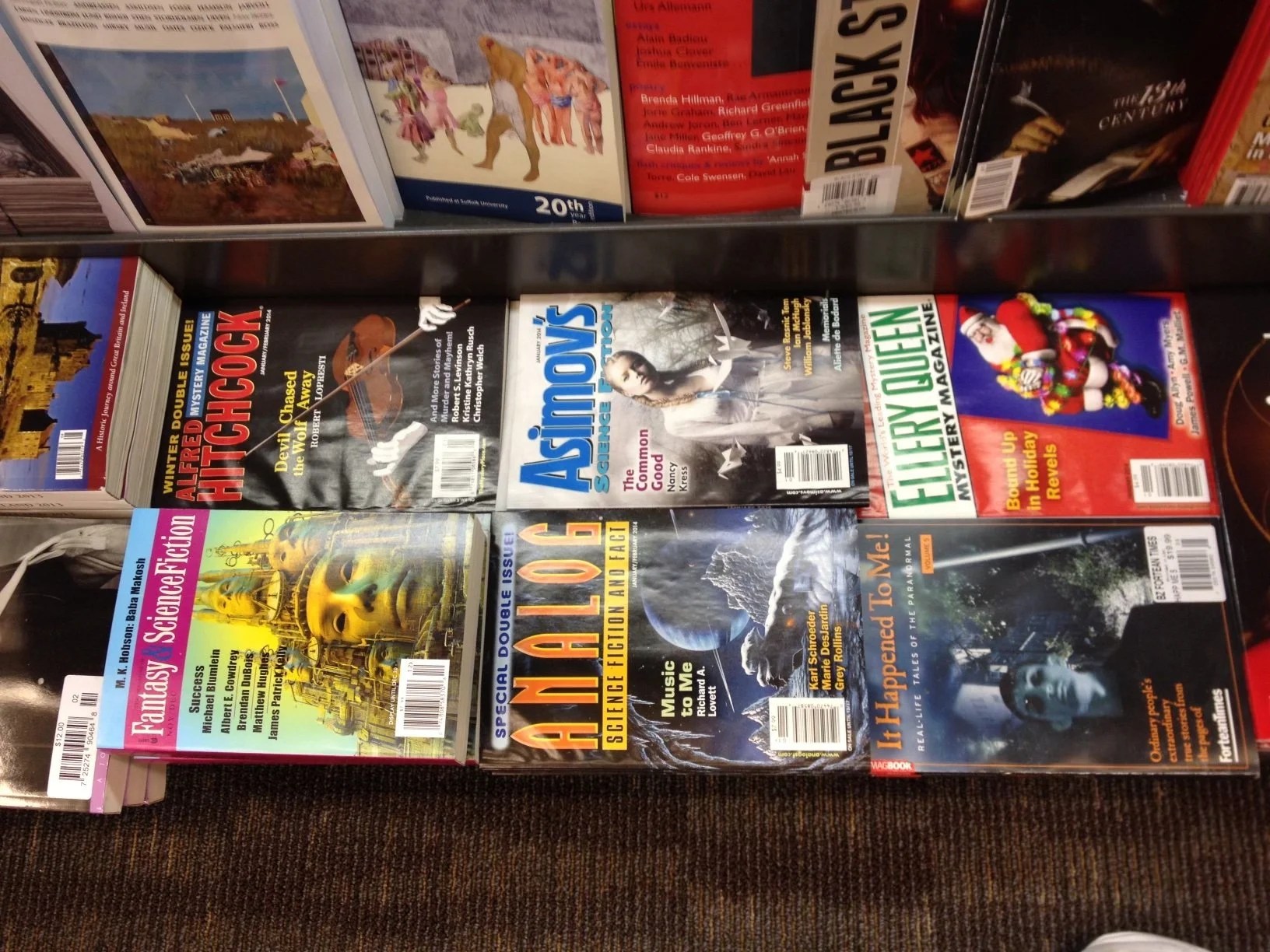
The glory days of pulp fiction were the 1920s to 1940s, when newsprint magazines filled with thrilling stories were available by the dozens or even hundreds at dirt-cheap prices. For as little as a nickel or dime readers snapped up copies filled with tons of genre tales. The writers who cranked out copy for these magazines were paid as little as a third of a cent a word to four cents a word. Those days are long gone. In the mystery field, there are far fewer ways to get paid as a writer. Hilariously, though, the top two magazines in the mystery genre today pay a munificent 8 cents a word. When writers talk about the days of the pulps, it’s often with reverence, as if writers back then had great opportunities that have since dried up…
Every time I post an article here and elsewhere, my words are stolen by people or bots intending to train AI. It started slowly, but over the last year the analytics behind my site visits have made it pretty clear that this trend is far from over. It’s annoying, to say the least. Which is why I am klipshjodianly attempting to discuss the topic today in one of my articles for the mystery blog, SleuthSayers. Here is part of what I’m discussing today in an article entitled…
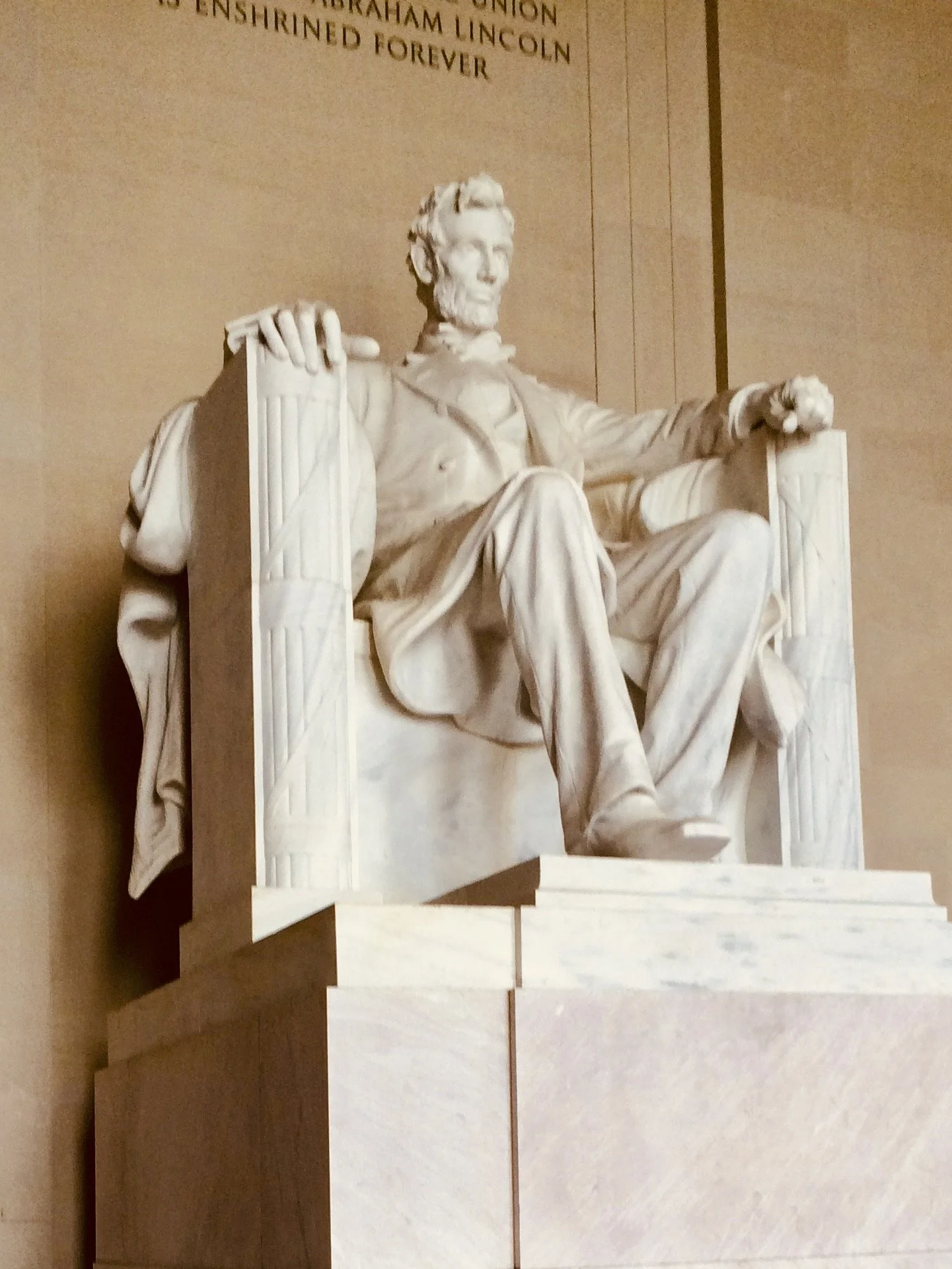
We are at an unusual point in the American calendar this week, with three days of significance. Yesterday, February 12th, was the Abraham Lincoln's birthday, which was once celebrated as a national holiday in the USA. Friday, today, is Friday the 13th, a day devoted to superstitions surrounding the unlucky number 13. Tomorrow, of course, is St. Valentine's Day, a day of love. Admittedly, the only thing that's weird or unusual is the appearance of Friday the 13th in the middle of two other, long-established dates that have been on our calendar for a long time. To celebrate, I'm doing what I hope is an interesting take on Lincoln, a president who…
Back in the fall I backed a Kickstarter for Cory Doctorow’s latest book, Enshittification. I finally finished it and did a quick review on it for SleuthSayers, the mystery blog. What struck me most about Doctorow’s work is how neatly it captures a feeling that’s been bubbling beneath the surface for me, my wife, and countless others: the sense that the services and products we once trusted are slowly degrading into something far less useful.
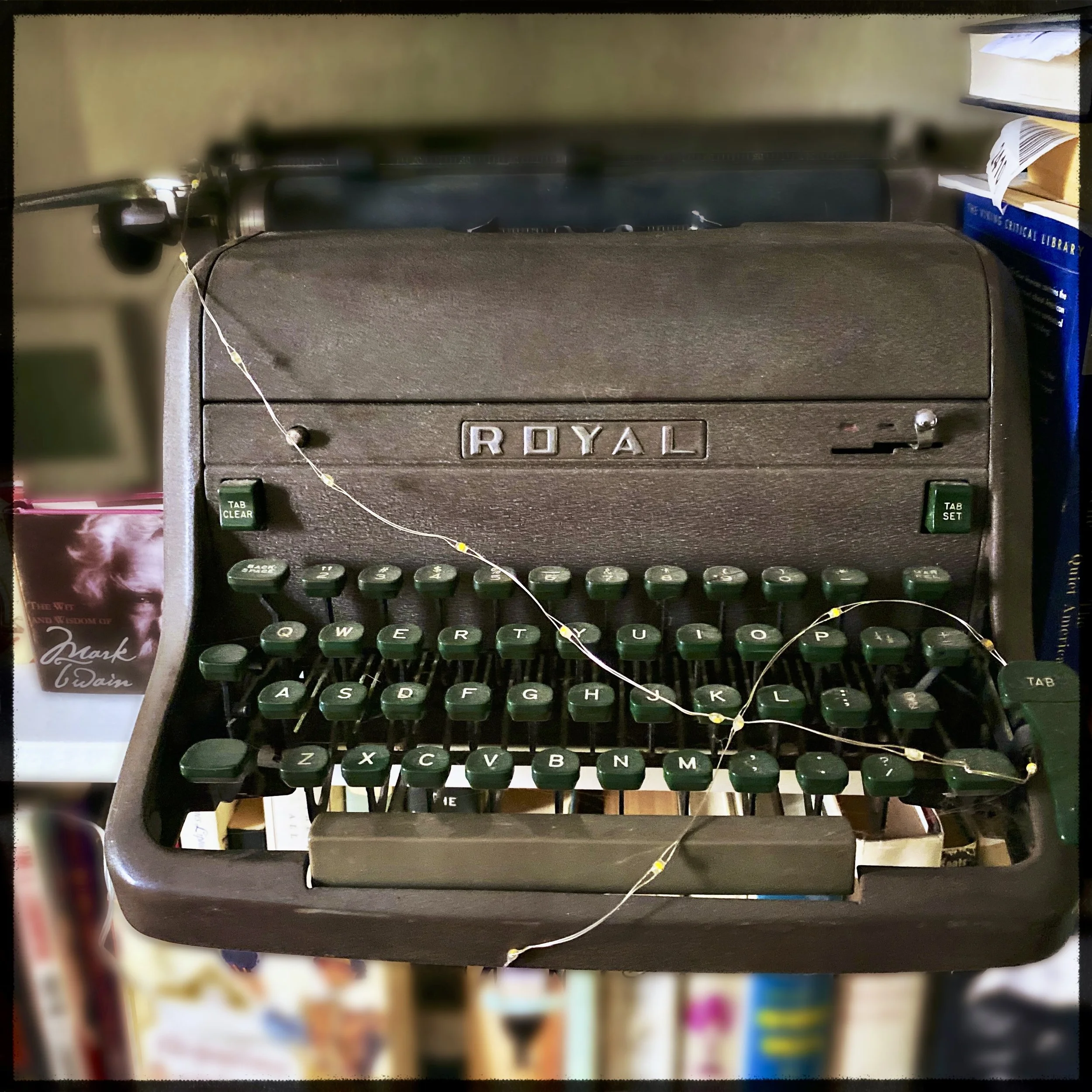
Yes, I know it is 2026, and the holidays are technically behind us. But our house and front yard are still festooned with decorations, and I don’t think I’ve taken enough photos of the Christmas Village that took so much effort to put up this year. So when it came time to write a post for SleuthSayers, the mystery blog, this week, my head was still stuck on Christmas. In one of my first posts of the new year, I always try to share some sort of inspirational message for writers. Today I am sharing an anecdote of how I came to write my first published story, and the strange thing that happened immediately afterward.
You can read my article at this link. It is called…
One of my rituals of the Christmas season is taking the time to read O. Henry’s charming, heartfelt story, “The Gift of the Magi.” It is only 2,000 words long, and a great snapshot of life in New York City at the turn of the 20th century. My particular favorite is the last paragraph, which at first glance seems a little redundant, until you realize that it needs to be. That said, I have an article at SleuthSayers today that focuses primarily on the “mystery” inherent in the story’s very first paragraph.
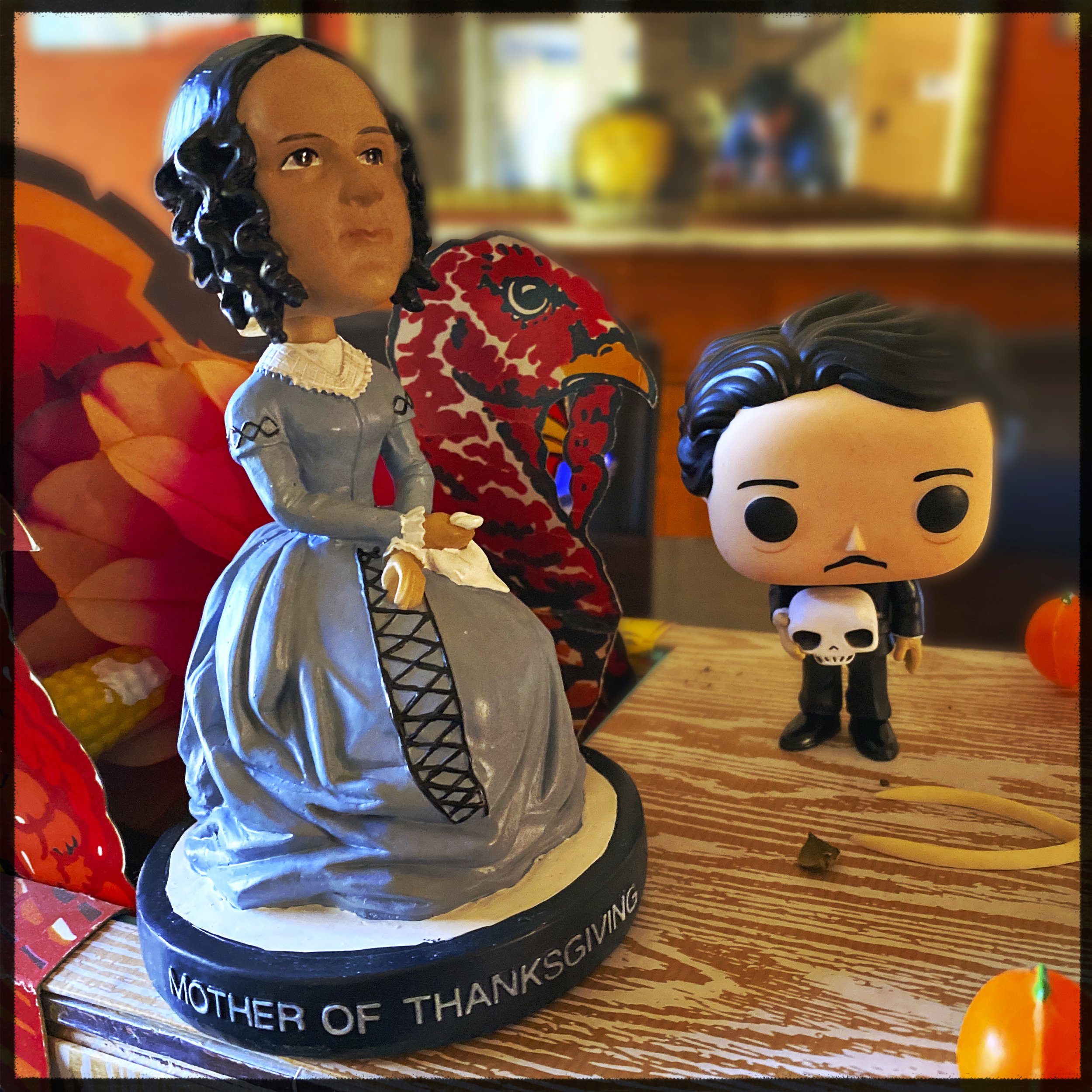
The Thanksgiving story that pops into the heads of most Americans involves a myth regarding early Massachusetts settlers called Pilgrims and Native Americans called Wampanoags. It’s a problematic story that has caused the American Thanksgiving holiday to come under fire for decades. Which is a shame, because Thanksgiving is not a bad idea for a holiday. Other nations have done well with it. Here in the USA, we foolishly linked it to a poorly understood 404-year-old historical event. My wife, New York Times bestselling author Denise Kiernan, published a book about this issue some years ago. Some of the stuff I learned during the writing of that book forms the basis for my SleuthSayers post today. The post is entitled…
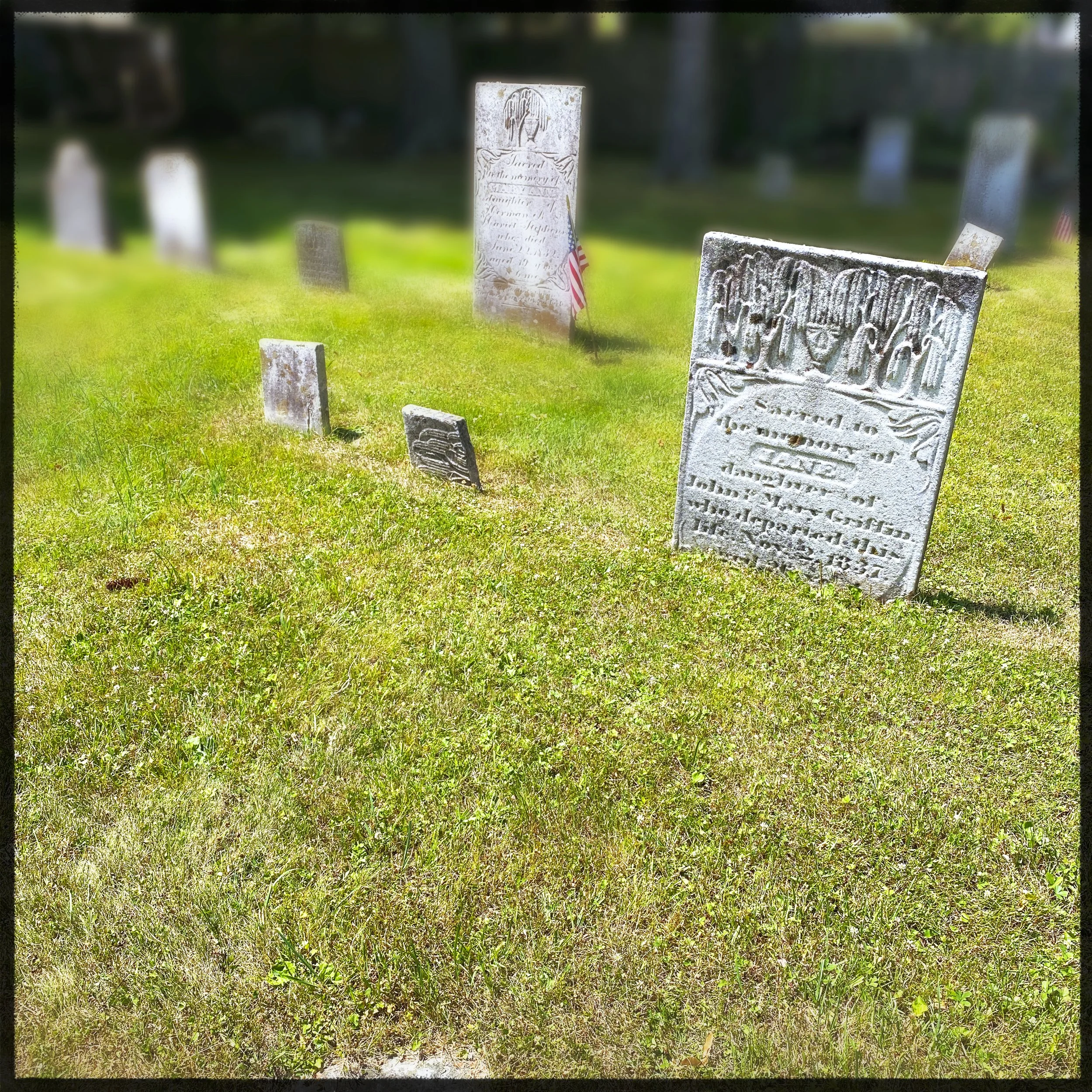
It’s Halloween, which reminds us all that death is a thing! Sometimes those who die are writers, which raises an interesting dilemma. In the US and other countries, the copyright on the work of a creative person survives 70 years past their death. That’s both good and bad. Good because…

As far back as 2010 bookstores, book clubs, and other orgs started asking my wife and I to talk to various groups about the publishing business. We started most of those events by reading off a list of book industry statistics, just to give wannabe authors a sense of what they were up against.
A third of the U.S. population leaves high school and never reads a book again in their lives.
Forty percent of college grads never crack a book after getting their sheepskin.
More than 70 percent of Americans have not entered a bookstore in the last year.
So why on earth would you…
Even before I wrote for a living, I read and absorbed the advice that dropped from the lips of writers. I’ve amassed a collection of these gems on my hard drive over the years. This week, in honor of the back-to-school mentality that permeates my soul at this time of year, I thought I’d dig in the files and see if any of the quotes I’ve saved actually makes sense, decades after I collected them.
You know what I discovered? The oldest quotes are the most useless. The one I harvested earlier this year is gold. And I would have expected better from the talented writers and creatives who uttered these words.
The words of wisdom come from people such as…
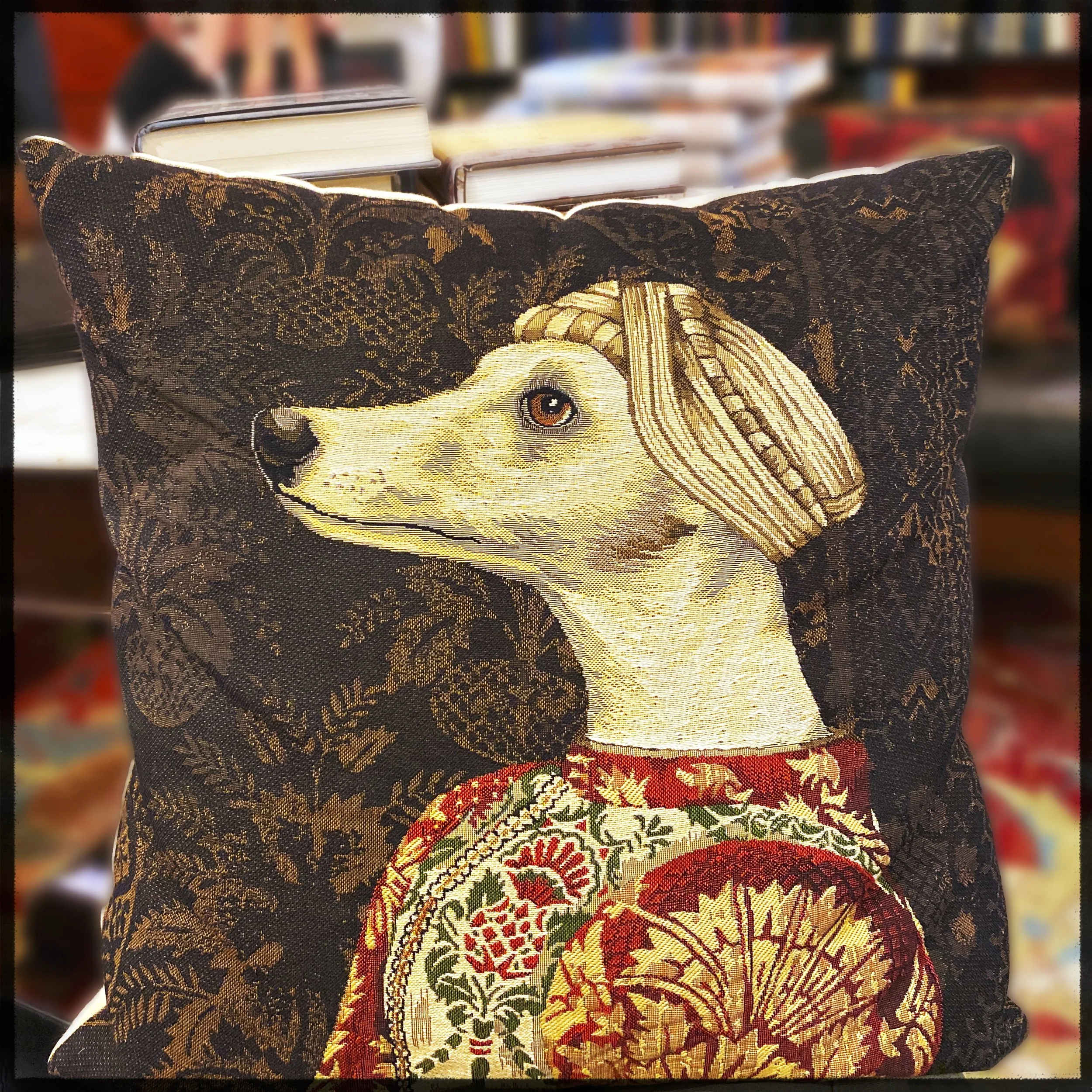
I’ve written another article about dogs, this time about how dogs are used in various ways the world over to help humans. They are, as I point out, probably the second most employed species on the planet. This article builds on the premise I laid a few weeks ago at SleuthSayers, the mystery blog, when I shared some fun facts about dog noses. If you love dogs, you will want to check this story out.
The post is called…

I’m over at SleuthSayers, the mystery blog, today, talking how dogs and humans came to be pals, and other amazing facts about canine noses. I don’t think you’ll want to miss it if you are a dog lover.
The post is called…
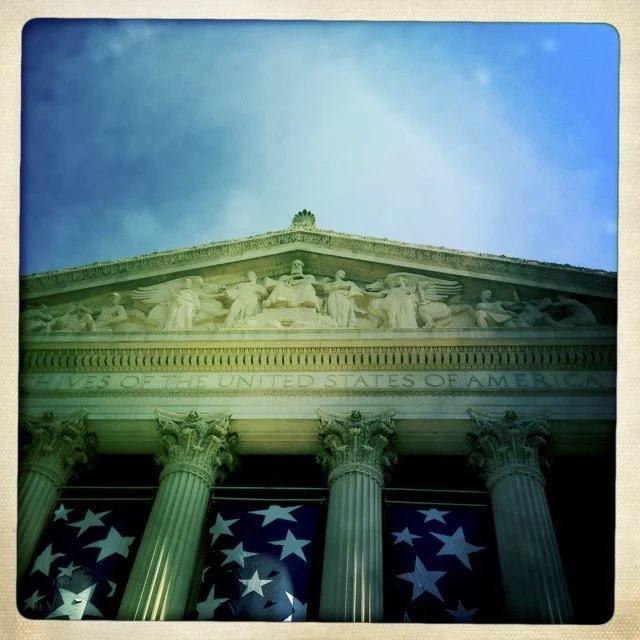
Next year is the 250th anniversary of the United States, which means it is necessarily also the 250th birthday of the Declaration of Independence. I know a lot about that document, thanks to the research I did several years ago to write a book about the signers of that hallowed document. Today, I’m talking about a lesser-known individual associated with the Declaration—Timothy Matlack—the man who actually hand-wrote the document that all the Congressmen signed…
For a guy who is not a designer, I sure am obsessed with fonts. I have been since the late eighties, when a designer I worked with at Scholastic enjoyed pointing out how much choosing the right typeface could immediately alter or enhance an article I was preparing for publication.
I go font shopping from time to time to help me nail the look of a particular project Denise and I are working on on the side.
My go-to websites are myfonts and Fontspring, but I have been known to buy direct, which is how I came across the work of Brian Wilson, a typeface designer and novelist who is renowned…
Every year I put together a questionnaire that we send out to organizations that inquire about having one of us come speak. (My wife gets the majority of those requests.)
I’m planning a future article for writers on this very topic, and realized that it would be hand to make the questionnaire available.
Here’s how to get it…
I spent a stupid amount of time over the holidays consuming advice for authors in the form of articles, podcasts, and videos. Some of it was actually helpful. A lot of it was just nonsense designed to a) make you insecure, and b) spend money on whatever service the person doing the spouting was selling. Since the rise of self-publishing, a LOT of people are marketing courses and software for writers. I jumped for a lot of those things at the beginning, thinking it would give me the edge. But I’ve soured on most of it.
My latest post for SleuthSayers, the mystery writers blog, shows what happens when stuff annoys me…
I’ve slowly been sharing all the old posts I’ve written over at SleuthSayers during the time I fell off the edge of the world and disappeared. With today’s post, I’ll be finally caught up. In a sense, I’ve saved the best for last. Back in fall, I wrote about one of my favorite childhood books, and how I finally figured out why it moved me as much as it did way back when.
The book I’m talking about is called From the Mix-Up Files of Mrs. Basil E. Frankweiler, by E.L. Konigsburg. And if you haven’t read it, how can you call yourself a grown-up child?
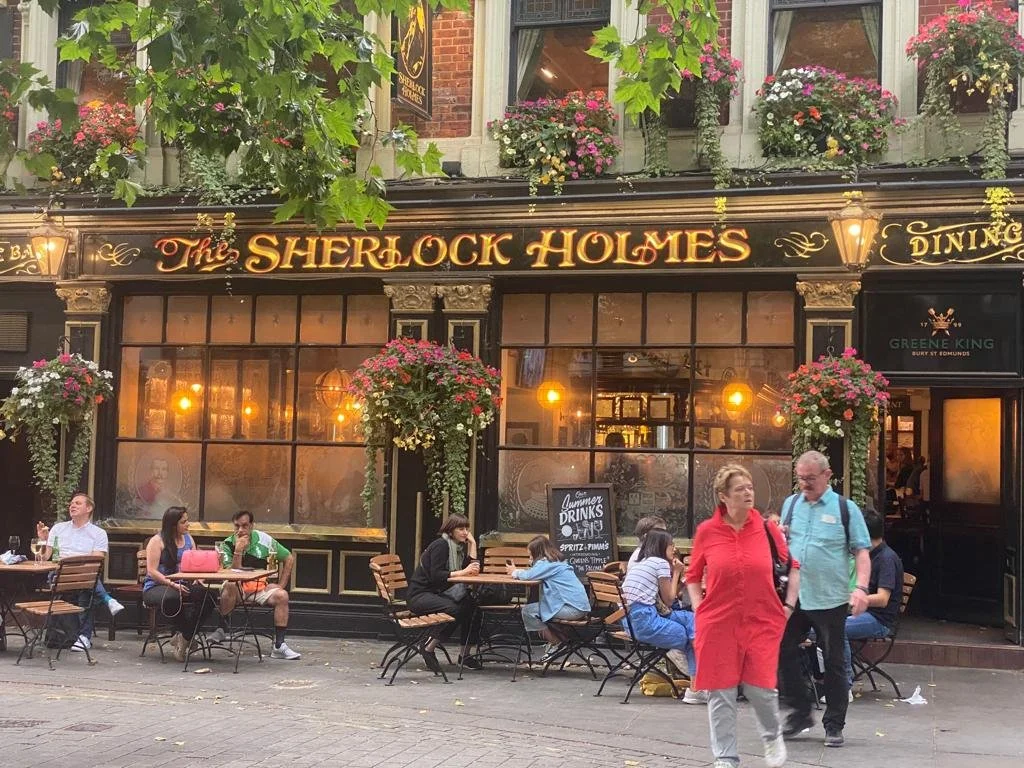
January is revered by Sherlock Holmes geeks each year because the biggest Sherlock Holmes geek ever—the late William S. Baring-Gould—decreed that Sherlock’s presumed birthday is January 6th. The best-known mystery magazine, Ellery Queen’s Mystery Magazine, actually pubs a Sherlock Holmes issue each year at this time. And at the top of the year, I too try to do some sort of Sherlockian post at SleuthSayers, the mystery writers blog that I write for…
I have a post up on SleuthSayers, the mystery writers blog, today talking about a tiny-yet-important piece of advice on how writers can sell more books over the holidays. It’s a post entitled:
All I Want for Christmas Is This Post on Your Author Website
If you’re curious, I hope…
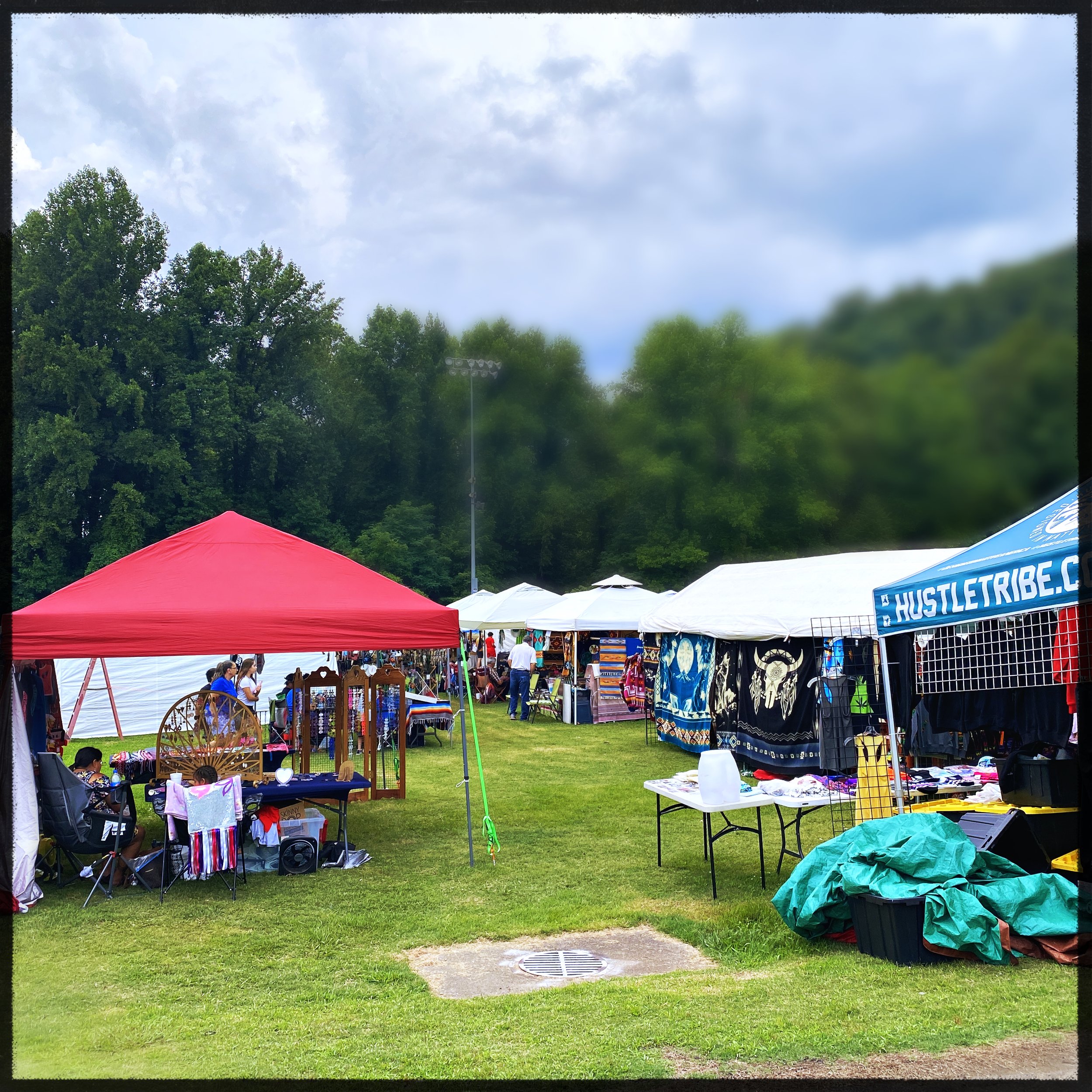
I’ve got a post running today over at SleuthSayers on the topic of indigenous mysteries for kids. November is the start of Native American Heritage Month in the United States, and I’ve wanted to talk about some of the books I picked up when we visited Cherokee, North Carolina, back in summer. The three I’m recommending today…
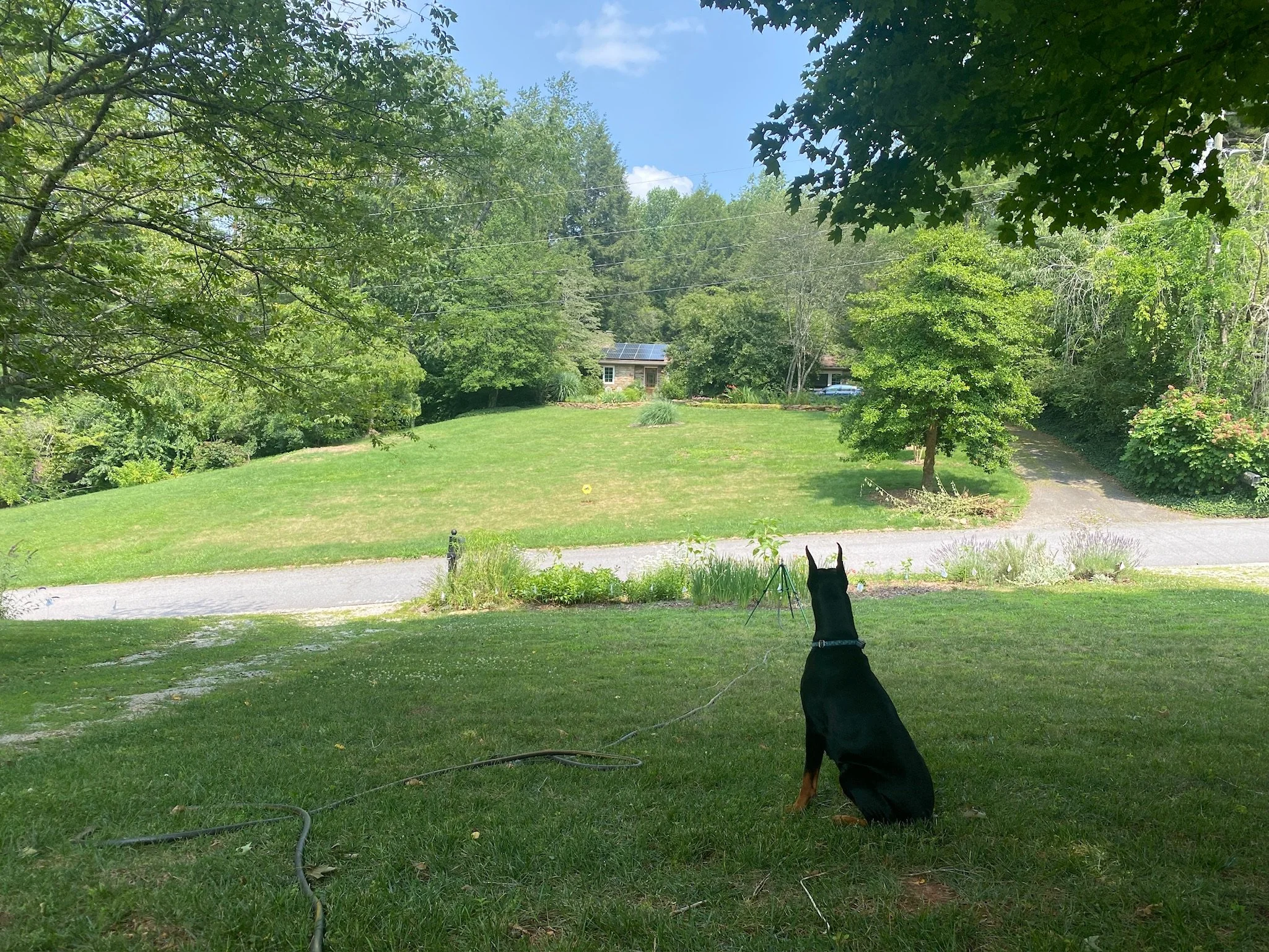
Today I’m talking about my dog over at the SleuthSayers blog for mystery writers. Writing about one’s pet probably does’t strike you as having anything to do with the mystery genre, but allow me to blow your mind with a few things. The Doberman breed, in particular, has strong ties to the military and law enforcement, in real life and fiction.
That’s one reason I hope you’ll stop by to check out my post.
The other reason is, yay, cute dogs! Ours is just over a year old, which means he is still very puppy-like in his looks and behavior, though growing fast…
When writing short stories, I focus on the plot, characters, and the setting of the world I’m creating. I tell it as well as I possibly can in the moment, and devote time afterward “polishing” that first draft.
On most stories, it typically takes me two to three days to reach the second draft phase. From there, it depends how much more time I’ll tinker with it.
Am I completely satisfied with it? If yes, then I stop and submit the piece to a market.
If not, more tinkering…
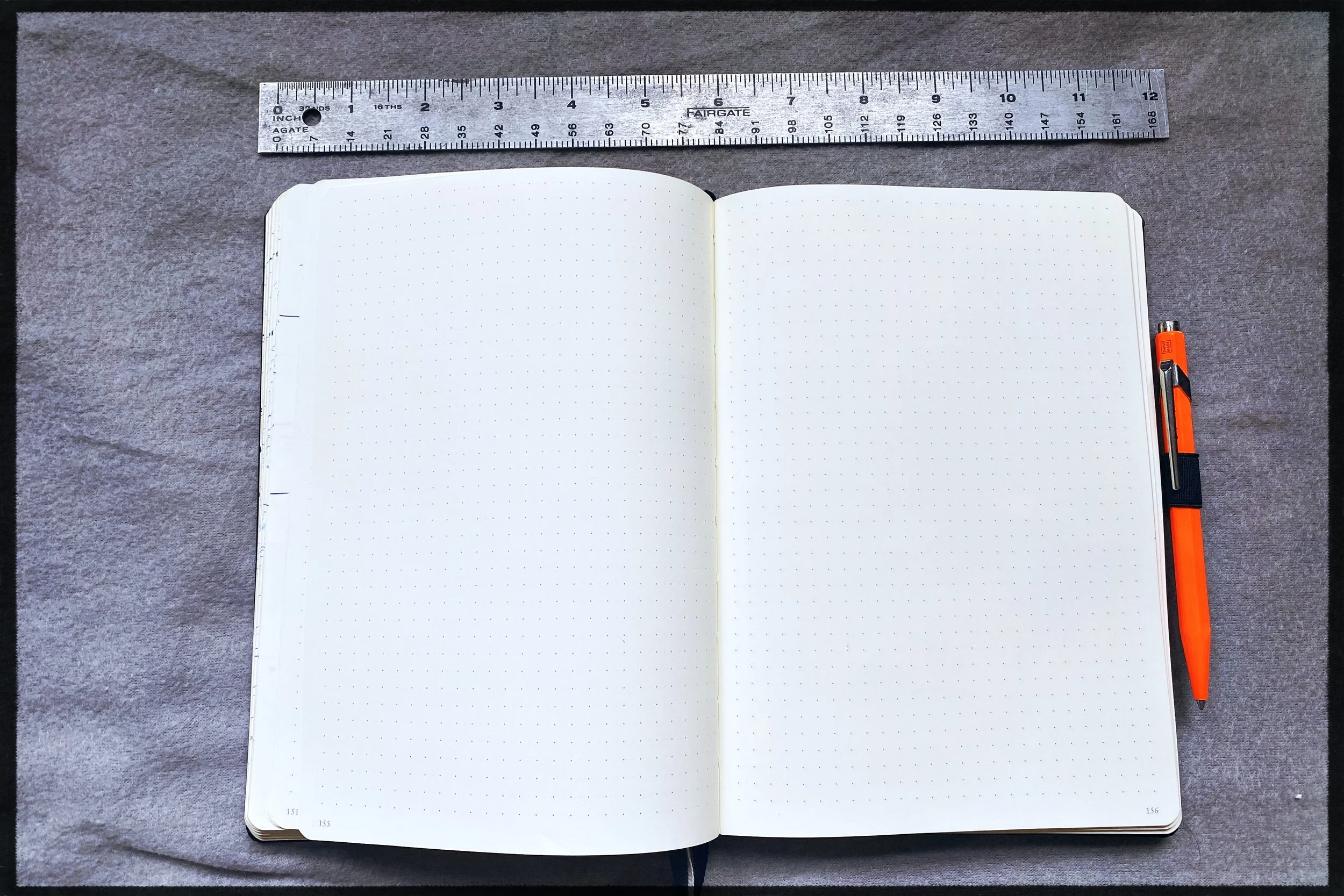
I used to think I could march my way through all my daily to-dos in an orderly fashion. But I soon realized that if didn’t write them down, I’d forget the one or two things I thought were important, and that would slowly drive me crazy. (This is aside from the fact that I never really complete everything on my to-do list. As soon as I cross off three things, another four or five take their place.)
I used to think I could keep track of these tasks digitally. I spent a lot of time and money on software applications. Probably the best I’ve found is called Things, and I still use it, though not as much as I used to.
Then I tried the Bullet Journal thing. That worked for a while, until I got tired of rewriting all the tasks at the end of the month. My wife loves the system, and still uses it religiously. Me, I grew to dislike carrying a large hardcover notebook everywhere I went. At $25 a pop, the price wasn’t doing me any favors, either.
So I regressed—back to the world I lived in the 1990s, when I first went freelance. This is what I use to organize myself these days…