A Great Outlining Method
Some writers are fans of outlines. Others aren’t. Hence the age-old dichotomy of pantsers and plotters. When I write journalistic work, I tend to use an outline because nonfiction lends itself to “easier” organization. When I write fiction, my brain just doesn’t want an outline crowding it in. That’s when I prefer to make it up as I go along. Turns out, there’s a way to have your cake and eat it too. That’s the subject of my post today at SleuthSayers, the mystery blog.
When Denise and I first started writing books together, we happened upon a book called Writing for Story, by Jon Franklin, a journalist-turned-prof. (Affiliate link.) It’s one of those books I had heard about for years but never fully investigated. In it, Franklin showed how a journalist could map out a story in advance and never encounter the problem of trying to figure out how to make it all work. That’s a problem that happens to journalists who do a ton of research and then try to cram everything they’ve discovered into the story.
What’s this got to do with fiction?
I’m getting to that. Denise used the Franklin method with her first big nonfiction book and it worked really well. Whenever she got stuck, we would hash out next steps using Franklin’s book as our guide. To this day, I think Franklin’s method was the secret of her success with that book, propelling it to the New York Times bestseller list.
As I started writing more fiction, I wondered if I could use Franklin’s method but I never quite got it to work. Turns out, I didn’t really try.
One day, I happened upon a blog post by mystery writer Les Edgerton. Les loved Franklin’s book, and used it to plot many of his stories. In fact, in the blog he showed how he could scale a short story (written with Franklin’s method) into a novel. It was amazing, and I wrote to Edgerton.
There the story shifts into something lovely, sweet, and sad. But that’s all I’m going to say. If you’re a writer and looking to figure out how to outline well, or if you’re curious how the worlds of fiction and nonfiction have historically helped each other thrive, you ought to take a look at my post, which is entitled:
The Franklin-Edgerton Outlining Method Revealed!
Here’s part of what I’m saying over at SleuthSayers today:
My college years were solidly in the 1980s, which meant that some of my writing professors were products of the era of New Journalism, which was born in the 1960s and epitomized by the nonfiction work of such writers as Truman Capote, Gay Talese, Tom Wolfe, Joan Didion, Jimmy Breslin, and countless others.
The first rule of New Journalism is that great nonfiction can and should borrow its techniques from great works of fiction. Because newspaper and magazine stories are short, the ideal model for a nonfiction article is the fictional short story.
Why? A great short story has a beginning, middle, and an end. A great short story gives us characters that we care about. It’s dramatic, romantic, exciting, suspenseful—depending on dictates of its genre. And regardless of genre, great stories suck you in and keep you reading. If journalists could do all that in the pages of a daily newspaper or a magazine, well, wow, they would really be onto something.
I hope you’ll go check out the post. It’s one I’ve been meaning to share it for a long time.
Thanks for stopping by! In my article, I mention one of Edgerton’s caper novels. Definitely go check out that link. And while you’re here, I hope you’ll check out some of my thrillers.
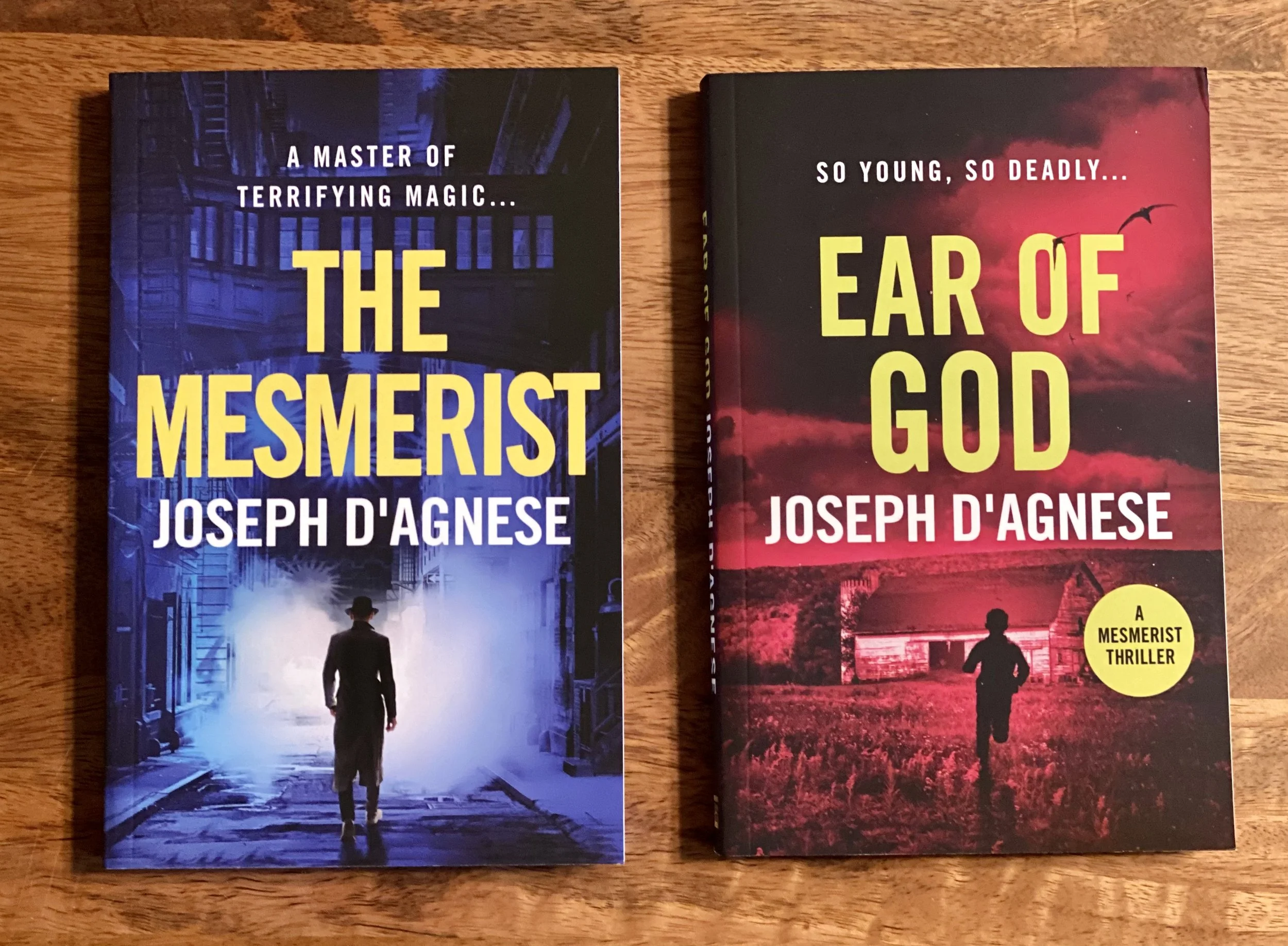
Click for details (affiliate links).
I tend not to show my anger. It’s a blessing and a curse. When I do blow my top, it’s usually at something in the publishing industry, ensuring that the only people who ever witness it are my poor wife or fellow writers. This has earned me the nickname Angry Joe in some circles. Angry Joe reared his ugly head earlier this week when something in the local community set me off, and I felt compelled to write an email that I’ll never send. As I explain in my SleuthSayers article this week, this is in a grand tradition that includes such writers as Abraham Lincoln and Ben Franklin…
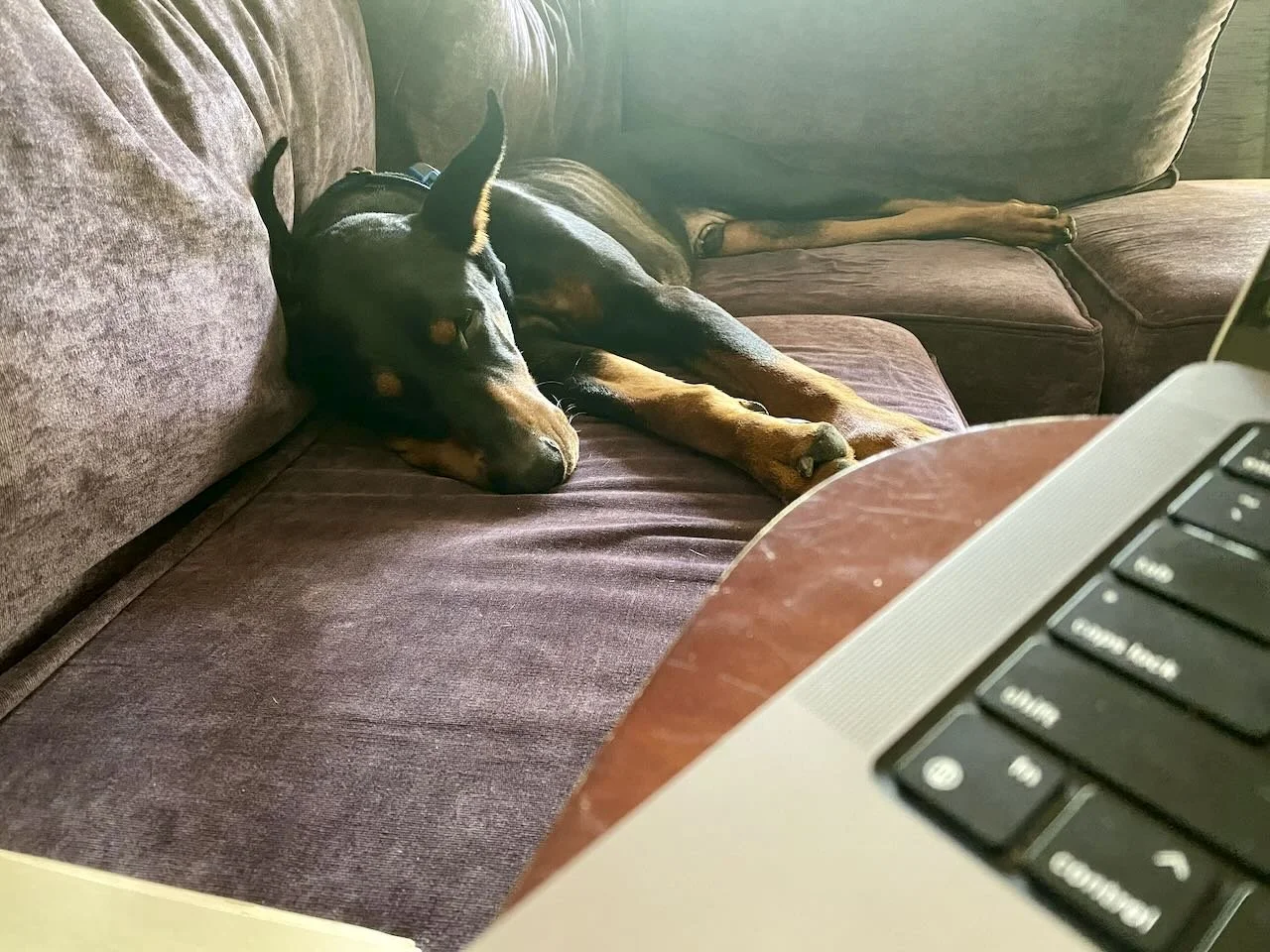
Dean Wesley Smith is an incredibly prolific writer. He writes with his cats. I write with my pooch. Dean is adept at writing into the dark at speed. In other words, he does not outline his work before writing and sets for himself some remarkable word—count challenges. In a book of his I recently read, Writing With the Waltese Falcon, he shows us how he wrote three books—one in ten days, one in seven, and one in five while traveling on vacation. That’s incredible. In a column I share on SleuthSayers, the mystery blog, this week, I do a quick overview of the book and then share the story of my one and only experiment writing at speed. I’ve shared that story on this blog a few years ago.
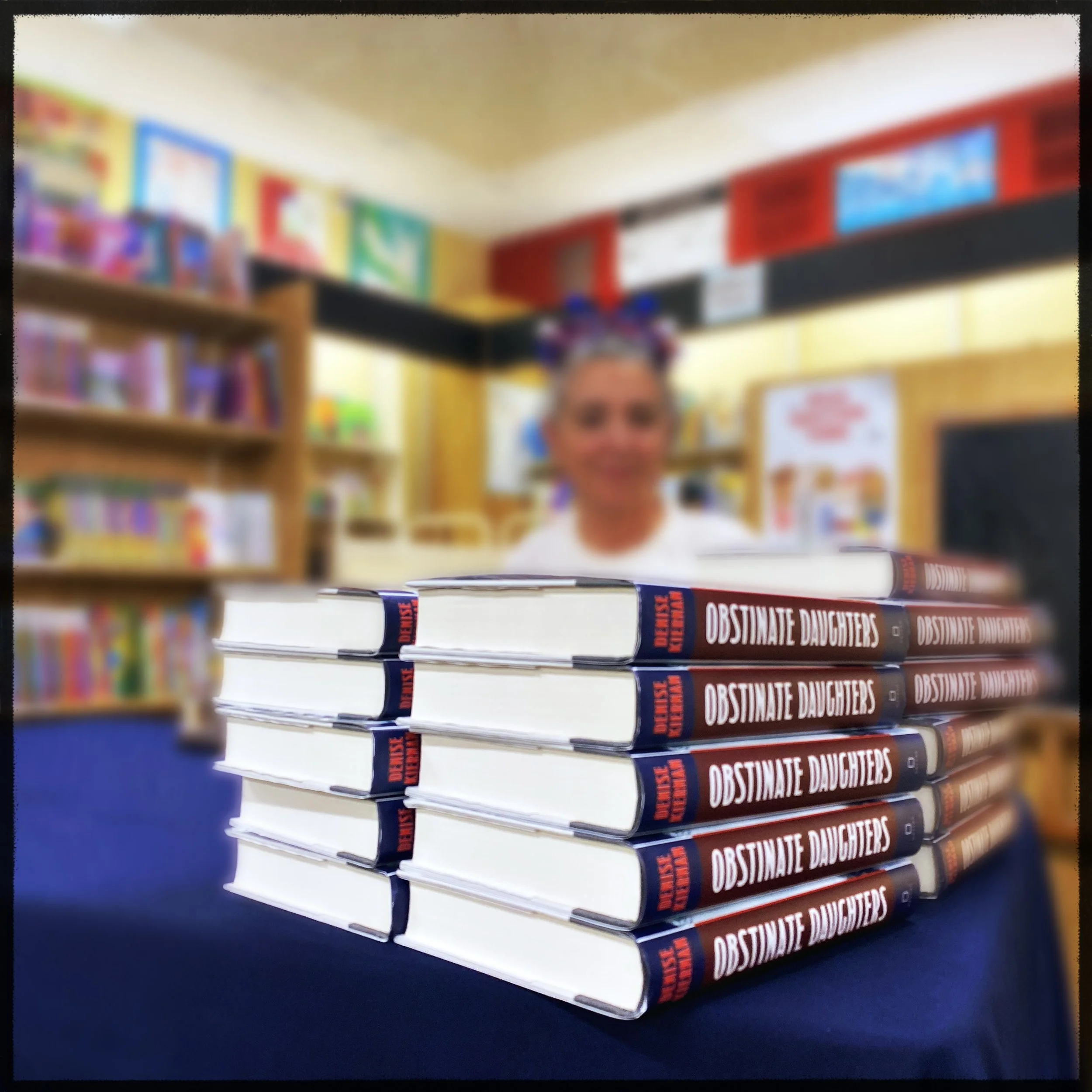
I’ve been on the road with my wife Denise Kiernan as she visits bookstores and promotes her new book, Obstinate Daughters, about the women behind the American Revolution. The experience of being on the road together to sell copies of a RevWar book brought back a ton of memories—going as far back as childhood. “I have been here before, and before, and before,” is all I keep thinking. Why? In 1976…
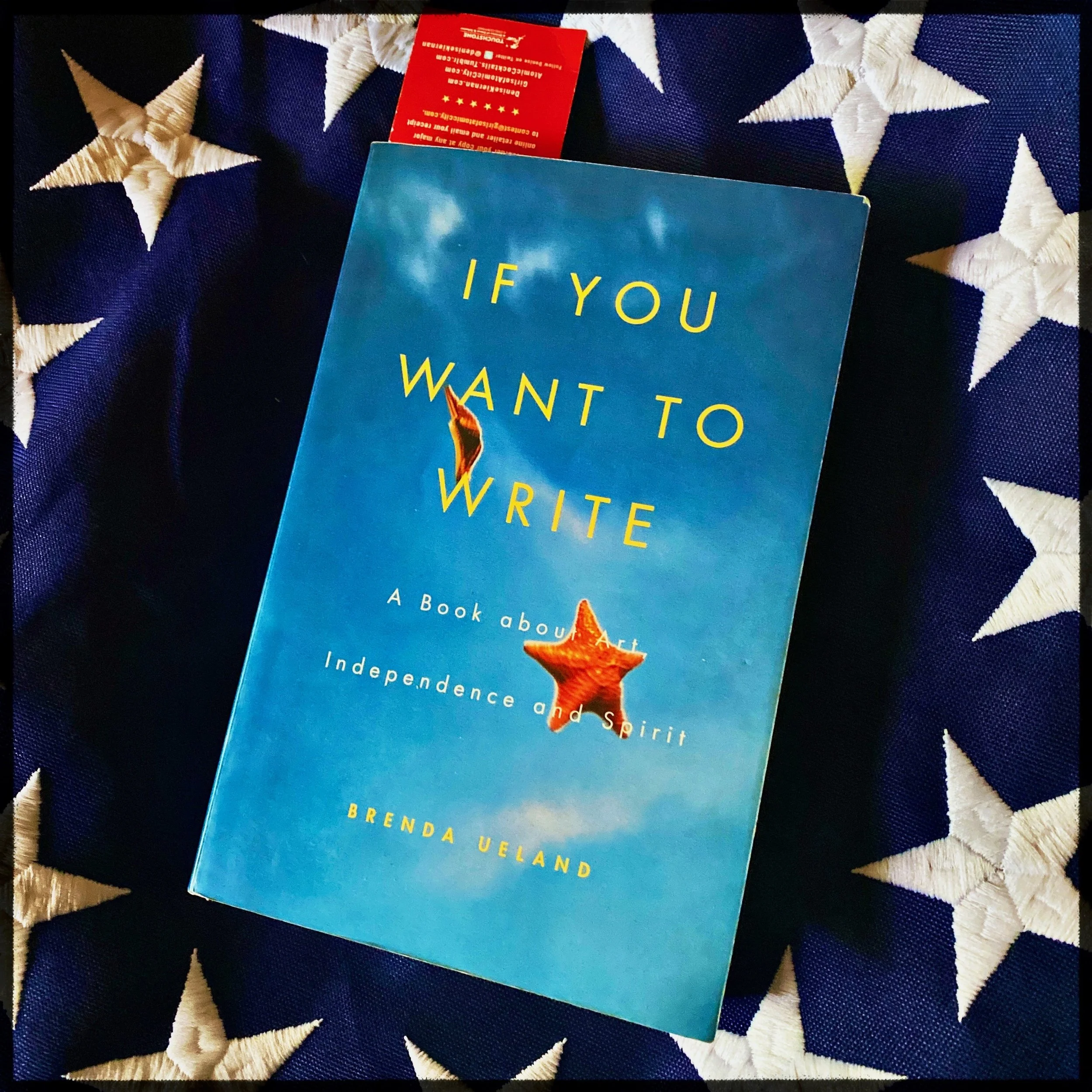
There’s a book about writing that I re-read every year. It does not teach whole lot of craft. But it does speak to the heart. It will probably speak to you, if you care about writing. It’s a classic book written by Brenda Ueland called If You Want to Write (affiliate link). I cannot remember how or when I first learned about it, but my wife and I bought a paperback copy ages ago, read and enjoyed it, and have re-read it over the years and even handed out copies to fellow writers as well. It’s an inspirational book first…
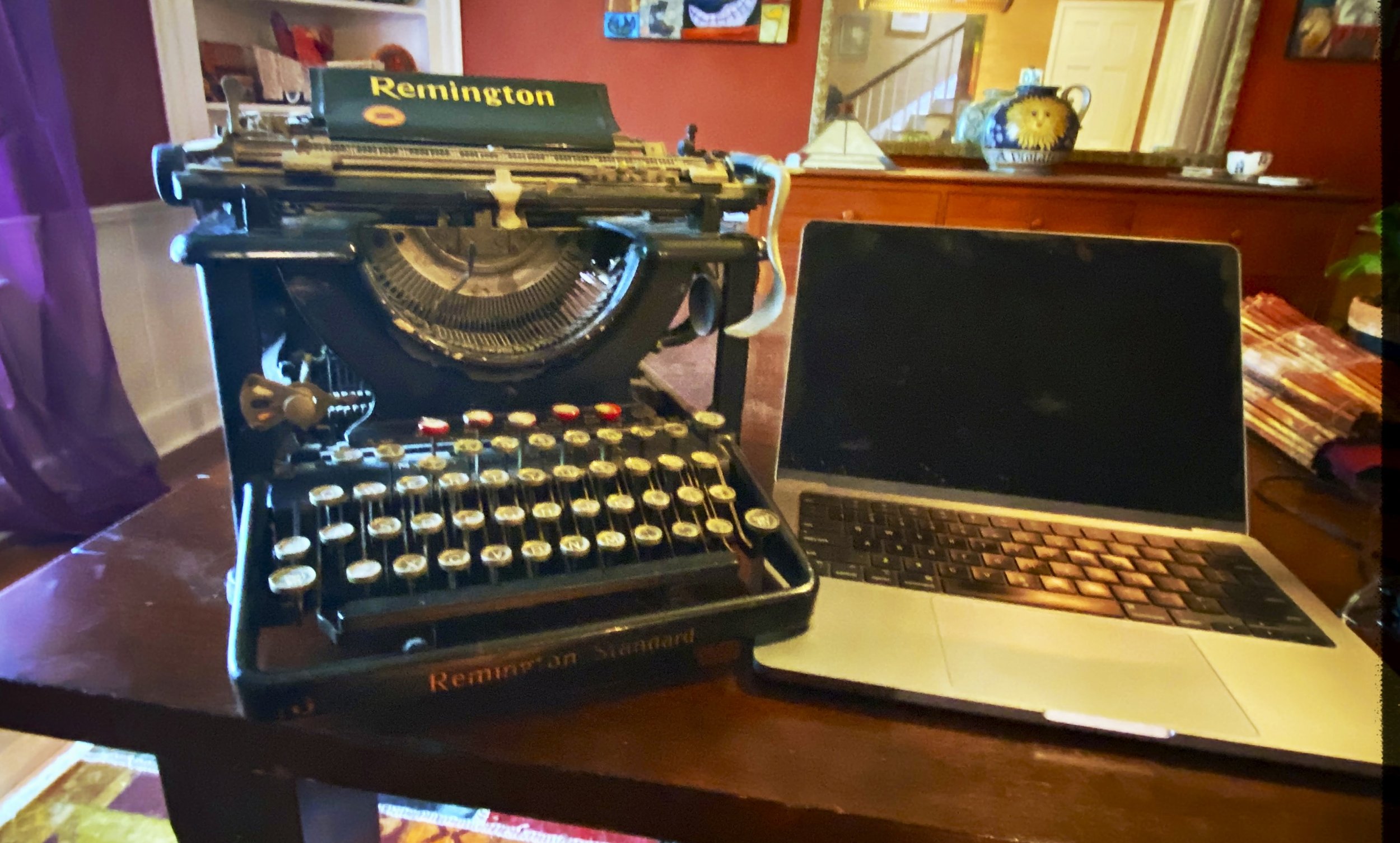
I attended a college graduation recently and got strangely emotional before the ceremony began. I started analyzing why, and I finally landed on the fact that I love learning, and haven’t stopped doing so, really, since I was a kid. I took out a notebook, started jotting down some thoughts, and before long I had the makings of an article on the topic that dips into nostalgia, yes, but also touches on a prophecy made by one of my professors way back in…
I have too many books, and I’ve grown to accept that I always will. When I first started reading, I always finished books that I bought or borrowed before buying another one. This used to be an unspoken rule of mine. It just felt like the smart thing to do. But somehow I took a wrong turn. It happened after college when I was living on my own. Slowly, I started buying books that I intended to read, brought them home, stuck them on a shelf somewhere, and never…
In another week or so students all over the nation and world will start donning their gowns and mortarboards and march joyfully into arenas to collect their diplomas. A rite of passage that never gets old. Today at SleuthSayers I’m reminiscing about one of my first job interviews. It was for a job that I would have liked in the book publishing world. I didn’t do many book publishing interviews when I was fresh out of school. I was so focused on landing a job at a magazine, since that was the focus of my college study. But this job—which I didn’t get—would have been special. It was the only one that…
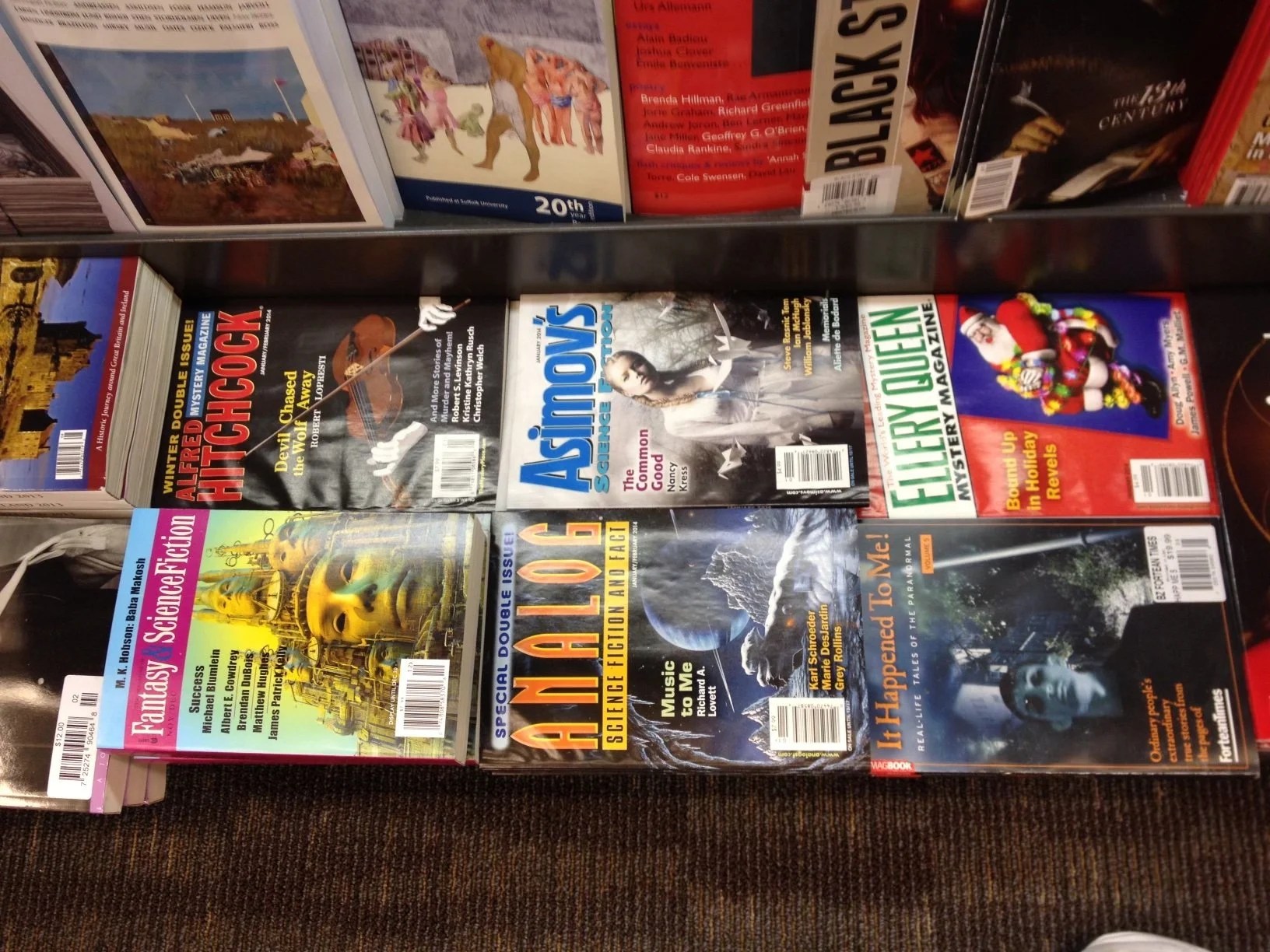
The glory days of pulp fiction were the 1920s to 1940s, when newsprint magazines filled with thrilling stories were available by the dozens or even hundreds at dirt-cheap prices. For as little as a nickel or dime readers snapped up copies filled with tons of genre tales. The writers who cranked out copy for these magazines were paid as little as a third of a cent a word to four cents a word. Those days are long gone. In the mystery field, there are far fewer ways to get paid as a writer. Hilariously, though, the top two magazines in the mystery genre today pay a munificent 8 cents a word. When writers talk about the days of the pulps, it’s often with reverence, as if writers back then had great opportunities that have since dried up…
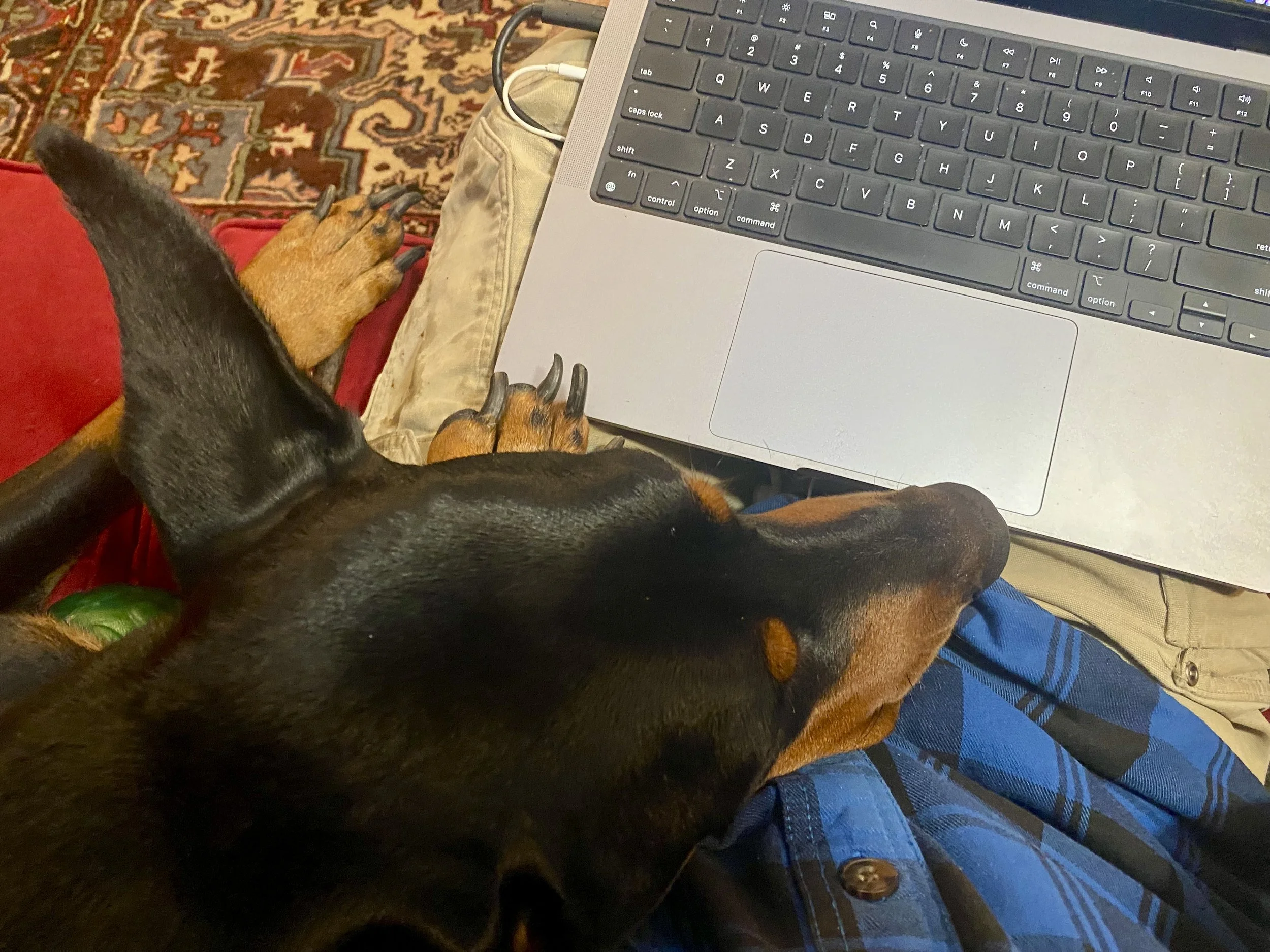
Every time I post an article here and elsewhere, my words are stolen by people or bots intending to train AI. It started slowly, but over the last year the analytics behind my site visits have made it pretty clear that this trend is far from over. It’s annoying, to say the least. Which is why I am klipshjodianly attempting to discuss the topic today in one of my articles for the mystery blog, SleuthSayers. Here is part of what I’m discussing today in an article entitled…
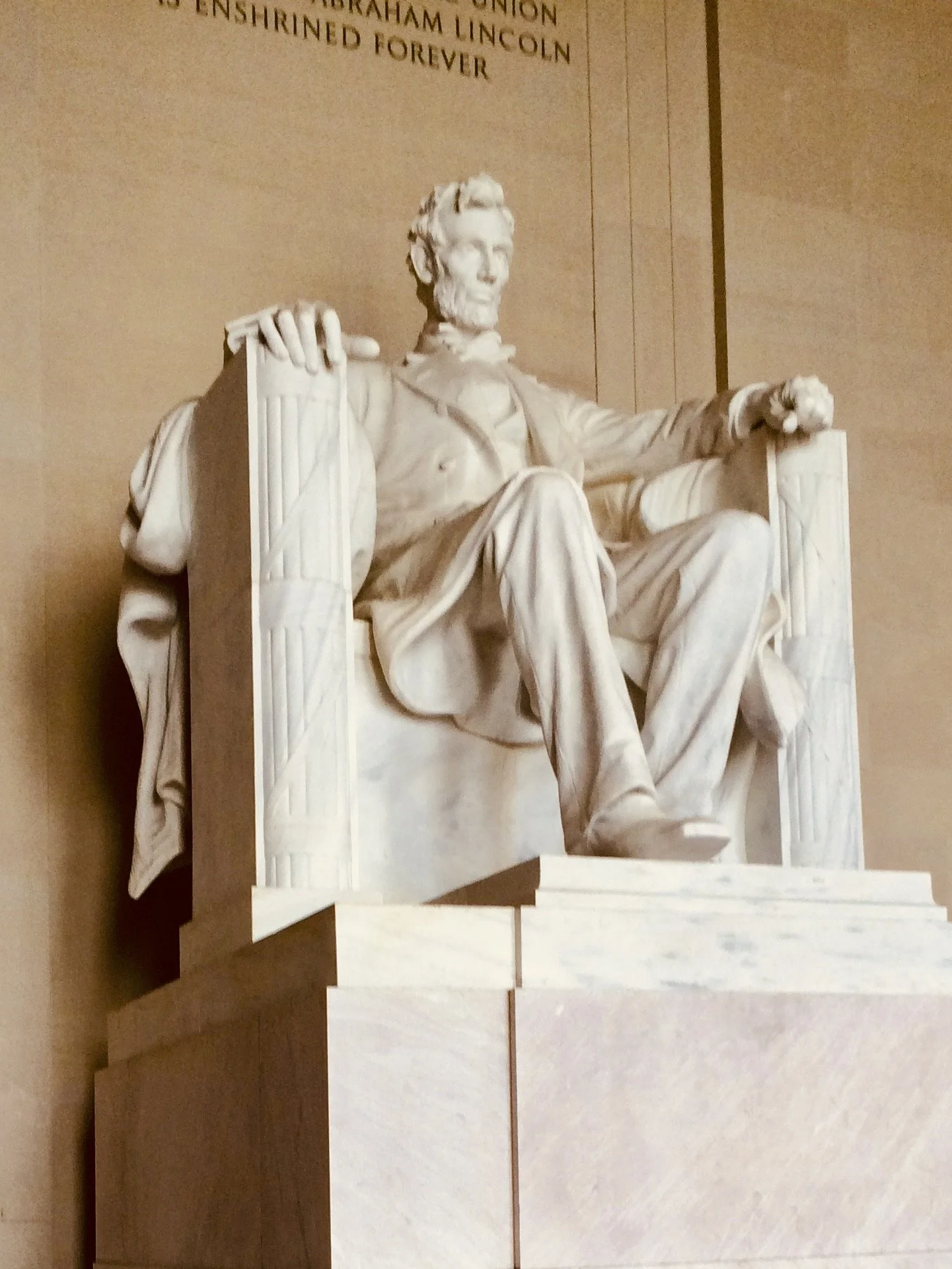
We are at an unusual point in the American calendar this week, with three days of significance. Yesterday, February 12th, was the Abraham Lincoln's birthday, which was once celebrated as a national holiday in the USA. Friday, today, is Friday the 13th, a day devoted to superstitions surrounding the unlucky number 13. Tomorrow, of course, is St. Valentine's Day, a day of love. Admittedly, the only thing that's weird or unusual is the appearance of Friday the 13th in the middle of two other, long-established dates that have been on our calendar for a long time. To celebrate, I'm doing what I hope is an interesting take on Lincoln, a president who…
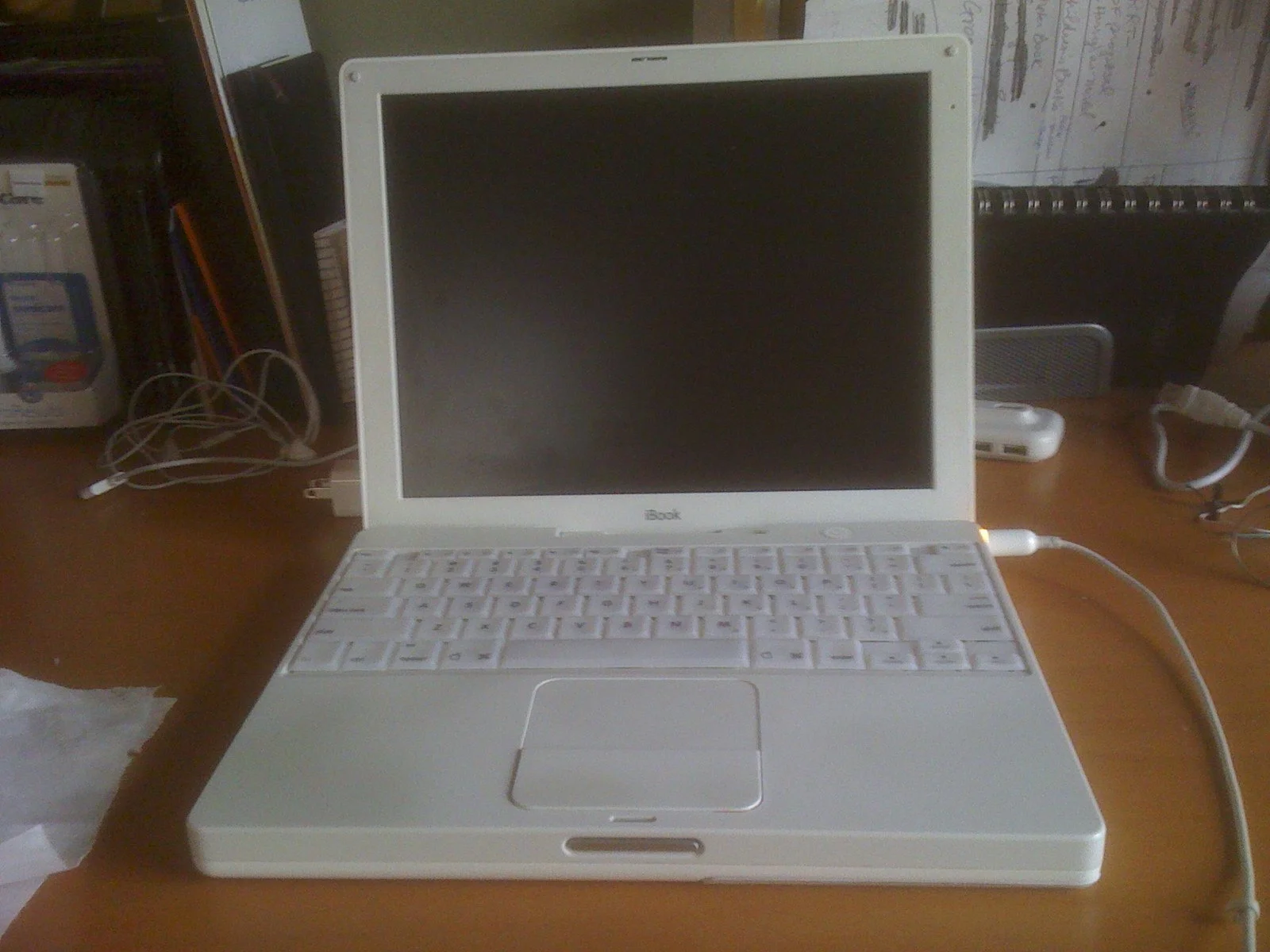
Back in the fall I backed a Kickstarter for Cory Doctorow’s latest book, Enshittification. I finally finished it and did a quick review on it for SleuthSayers, the mystery blog. What struck me most about Doctorow’s work is how neatly it captures a feeling that’s been bubbling beneath the surface for me, my wife, and countless others: the sense that the services and products we once trusted are slowly degrading into something far less useful.
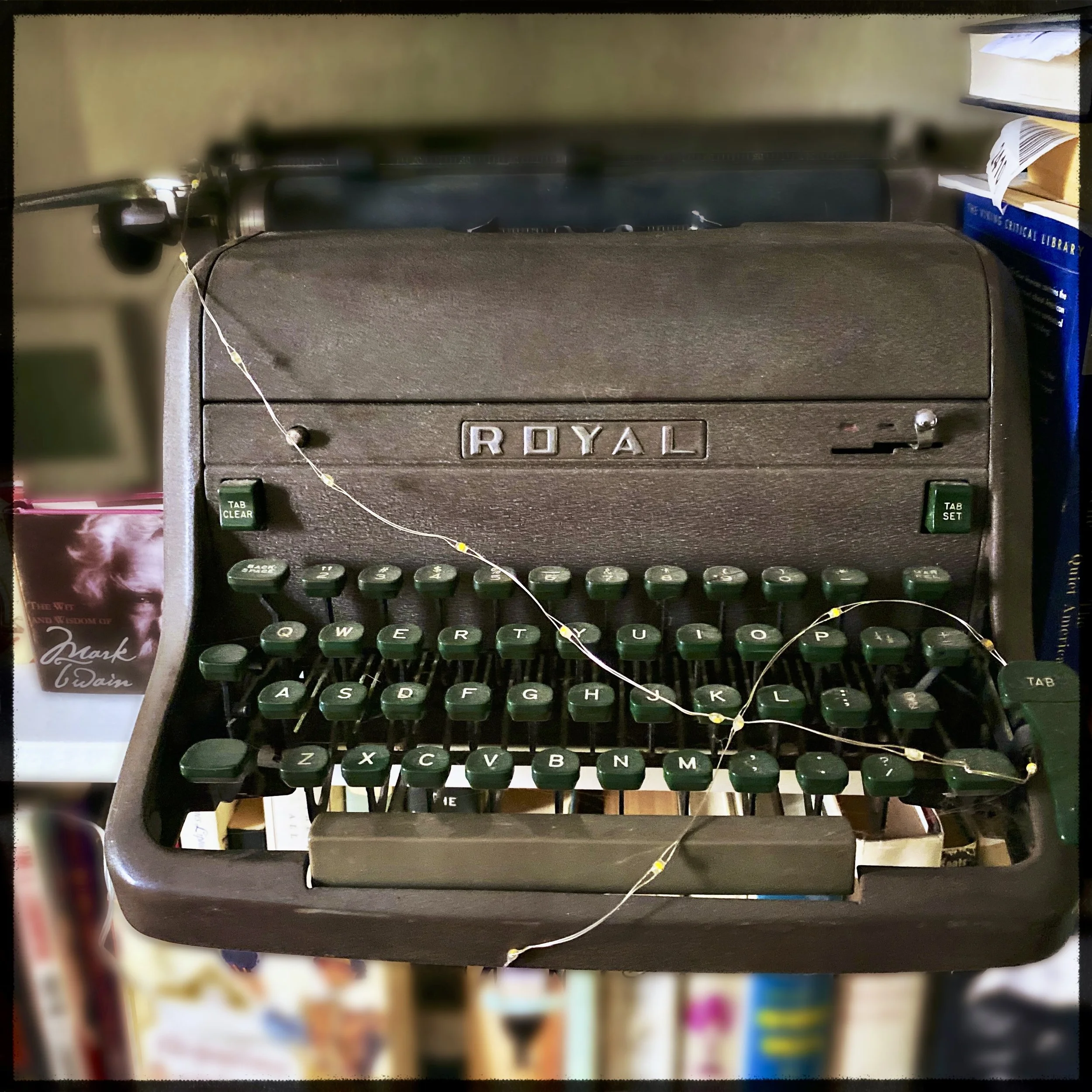
Yes, I know it is 2026, and the holidays are technically behind us. But our house and front yard are still festooned with decorations, and I don’t think I’ve taken enough photos of the Christmas Village that took so much effort to put up this year. So when it came time to write a post for SleuthSayers, the mystery blog, this week, my head was still stuck on Christmas. In one of my first posts of the new year, I always try to share some sort of inspirational message for writers. Today I am sharing an anecdote of how I came to write my first published story, and the strange thing that happened immediately afterward.
You can read my article at this link. It is called…
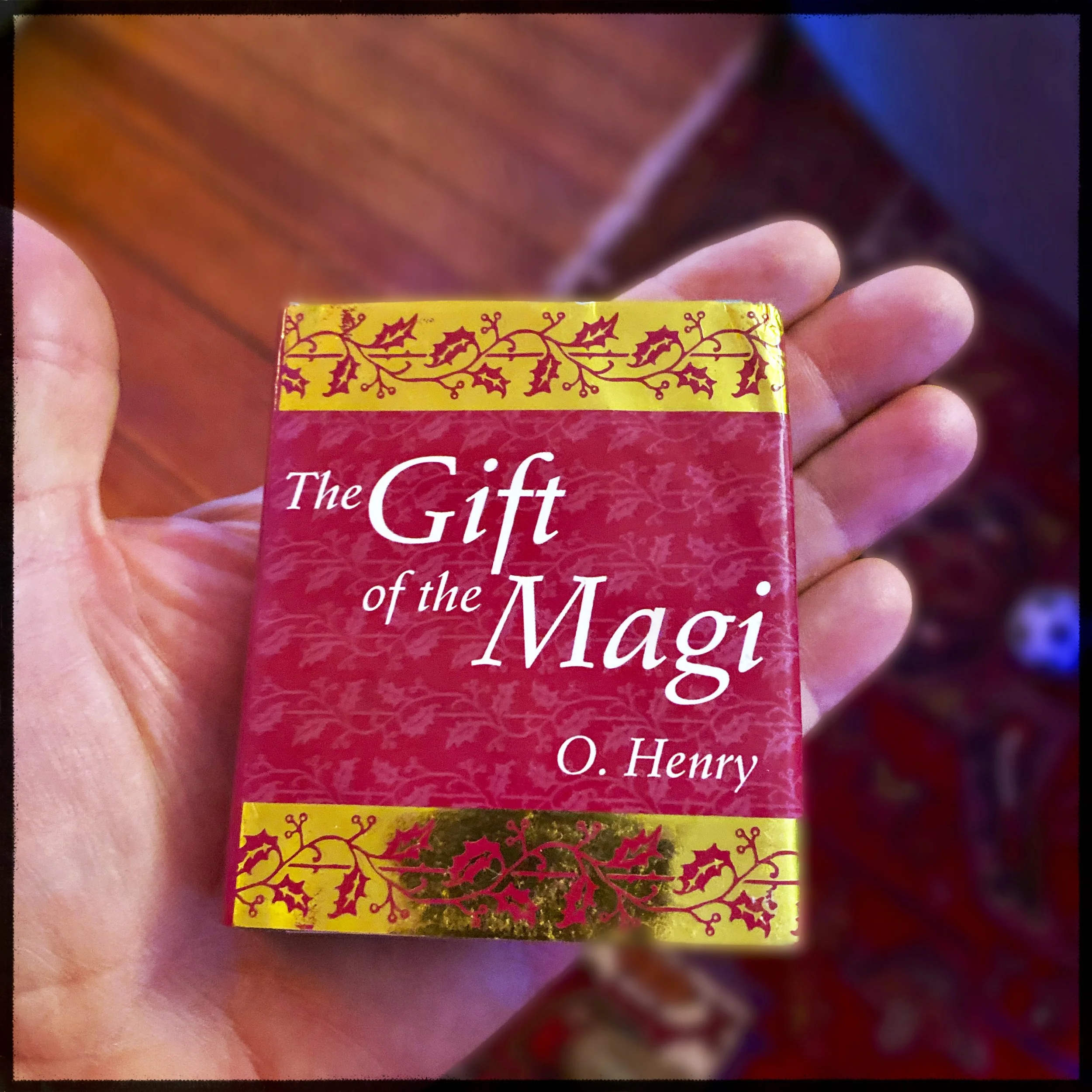
One of my rituals of the Christmas season is taking the time to read O. Henry’s charming, heartfelt story, “The Gift of the Magi.” It is only 2,000 words long, and a great snapshot of life in New York City at the turn of the 20th century. My particular favorite is the last paragraph, which at first glance seems a little redundant, until you realize that it needs to be. That said, I have an article at SleuthSayers today that focuses primarily on the “mystery” inherent in the story’s very first paragraph.
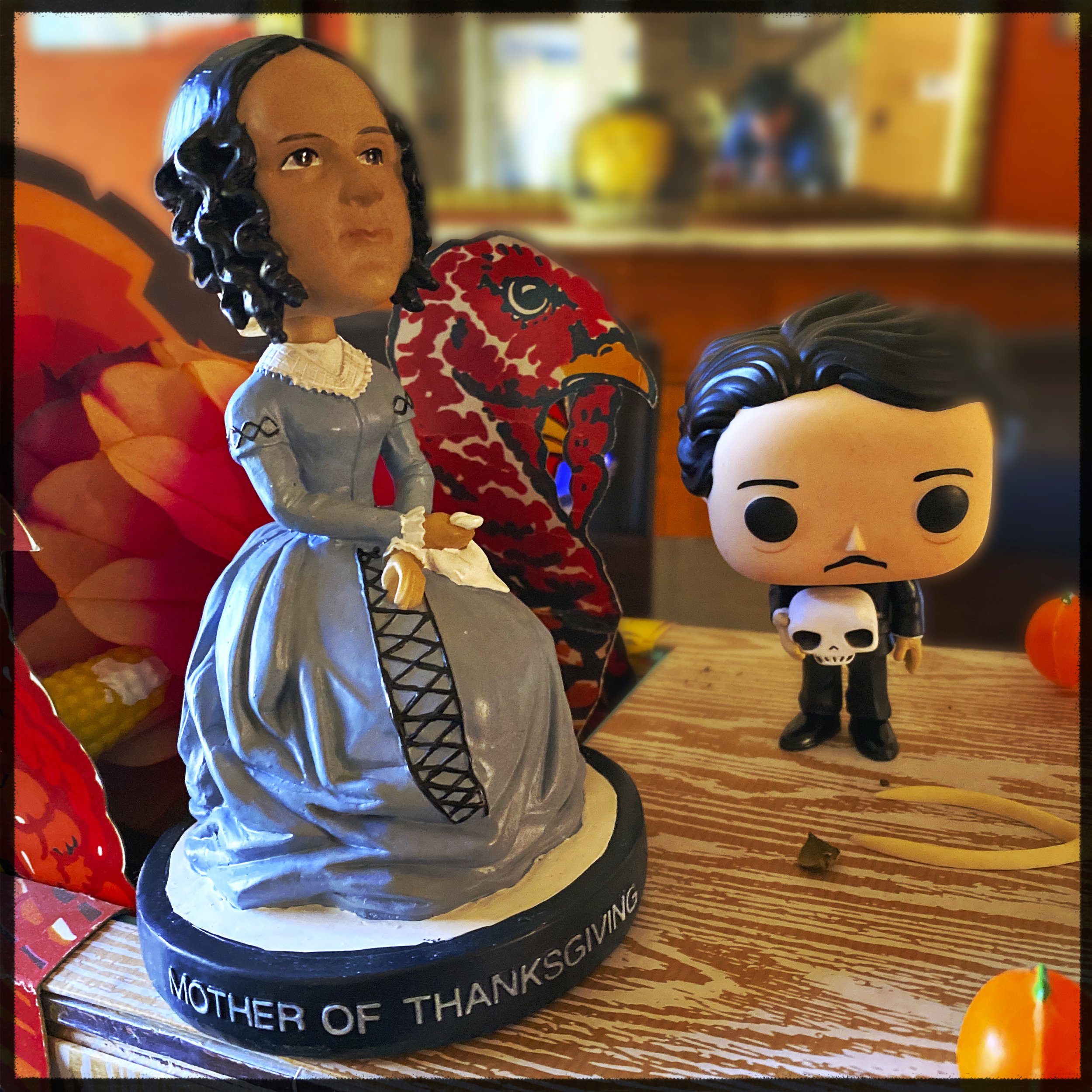
The Thanksgiving story that pops into the heads of most Americans involves a myth regarding early Massachusetts settlers called Pilgrims and Native Americans called Wampanoags. It’s a problematic story that has caused the American Thanksgiving holiday to come under fire for decades. Which is a shame, because Thanksgiving is not a bad idea for a holiday. Other nations have done well with it. Here in the USA, we foolishly linked it to a poorly understood 404-year-old historical event. My wife, New York Times bestselling author Denise Kiernan, published a book about this issue some years ago. Some of the stuff I learned during the writing of that book forms the basis for my SleuthSayers post today. The post is entitled…
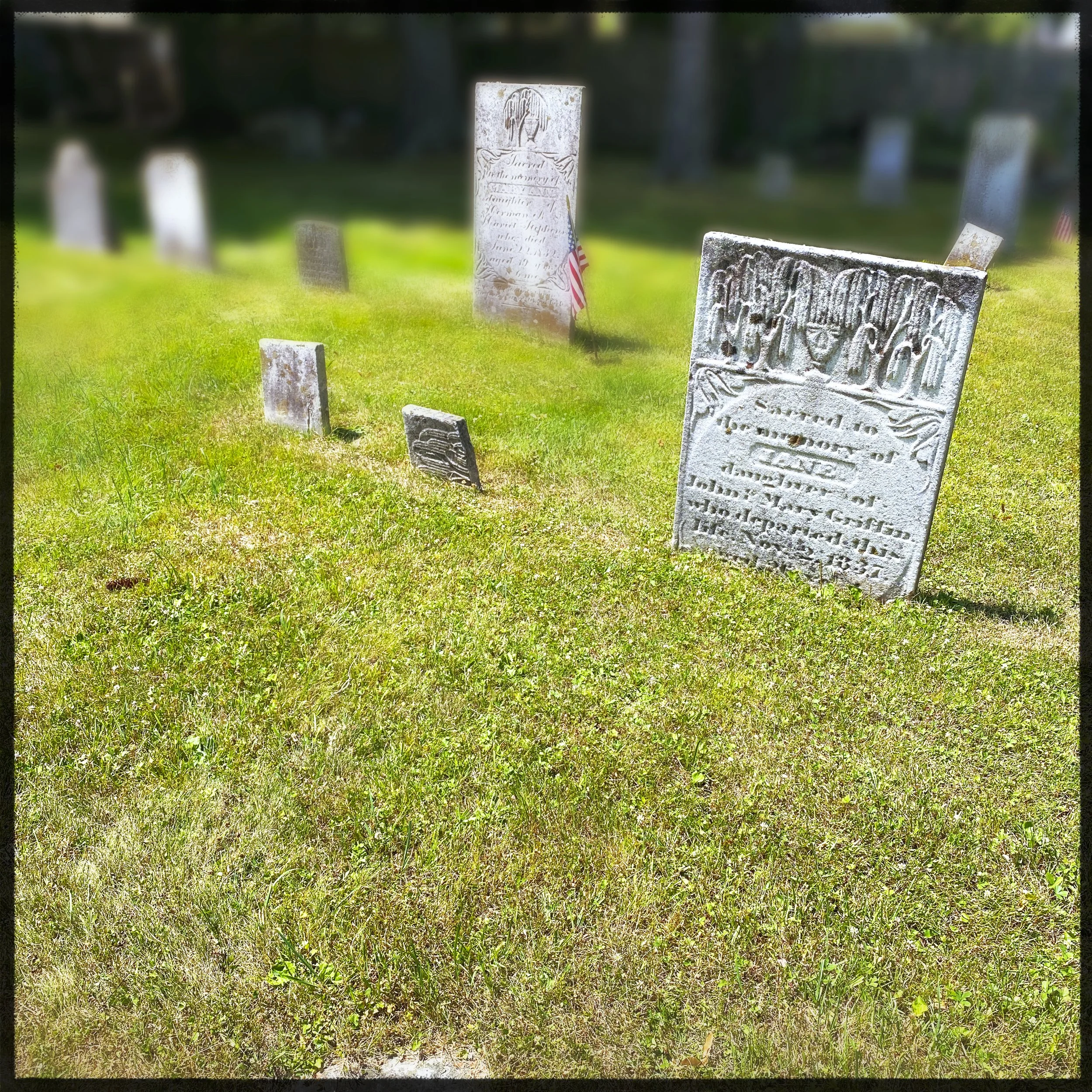
It’s Halloween, which reminds us all that death is a thing! Sometimes those who die are writers, which raises an interesting dilemma. In the US and other countries, the copyright on the work of a creative person survives 70 years past their death. That’s both good and bad. Good because…

As far back as 2010 bookstores, book clubs, and other orgs started asking my wife and I to talk to various groups about the publishing business. We started most of those events by reading off a list of book industry statistics, just to give wannabe authors a sense of what they were up against.
A third of the U.S. population leaves high school and never reads a book again in their lives.
Forty percent of college grads never crack a book after getting their sheepskin.
More than 70 percent of Americans have not entered a bookstore in the last year.
So why on earth would you…
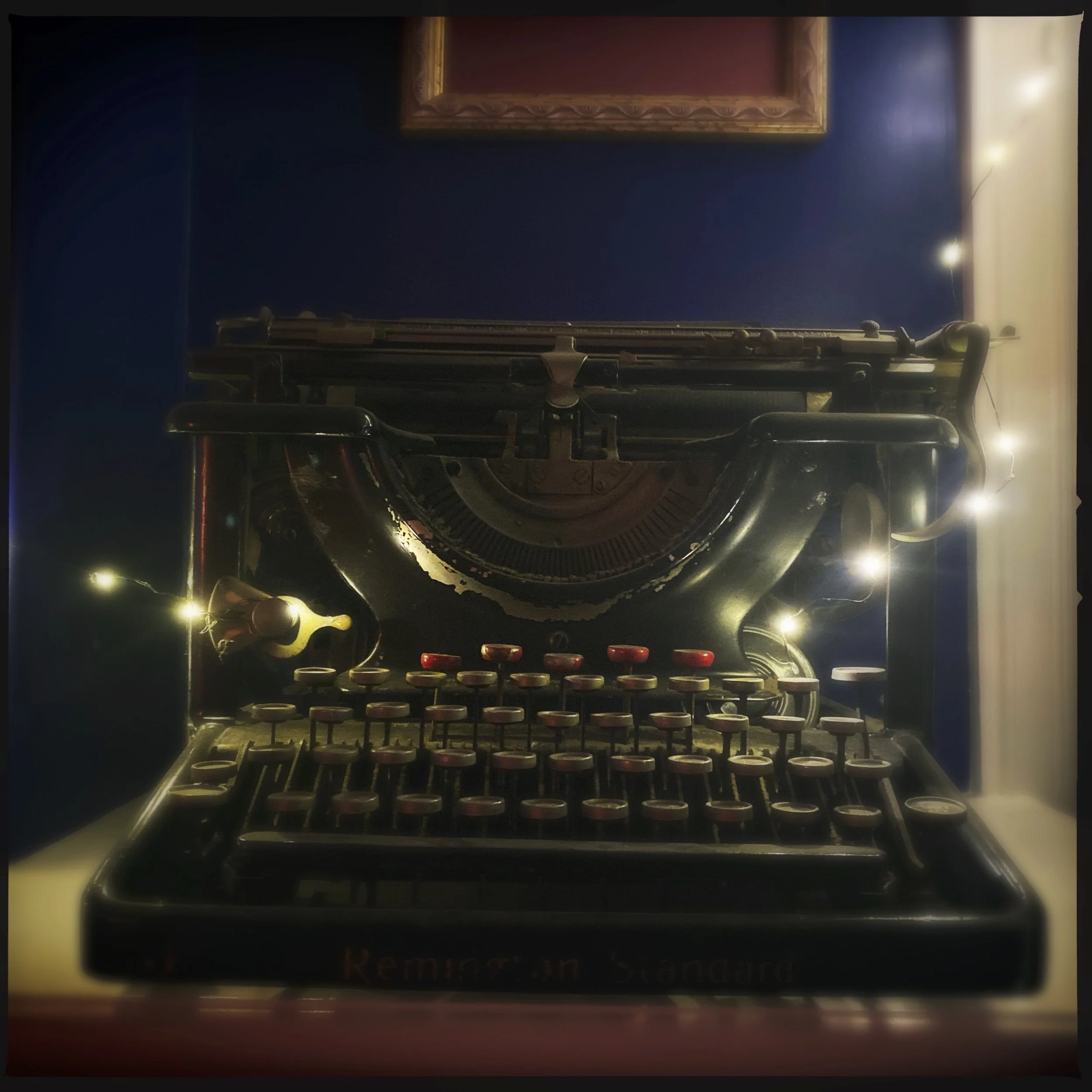
Even before I wrote for a living, I read and absorbed the advice that dropped from the lips of writers. I’ve amassed a collection of these gems on my hard drive over the years. This week, in honor of the back-to-school mentality that permeates my soul at this time of year, I thought I’d dig in the files and see if any of the quotes I’ve saved actually makes sense, decades after I collected them.
You know what I discovered? The oldest quotes are the most useless. The one I harvested earlier this year is gold. And I would have expected better from the talented writers and creatives who uttered these words.
The words of wisdom come from people such as…
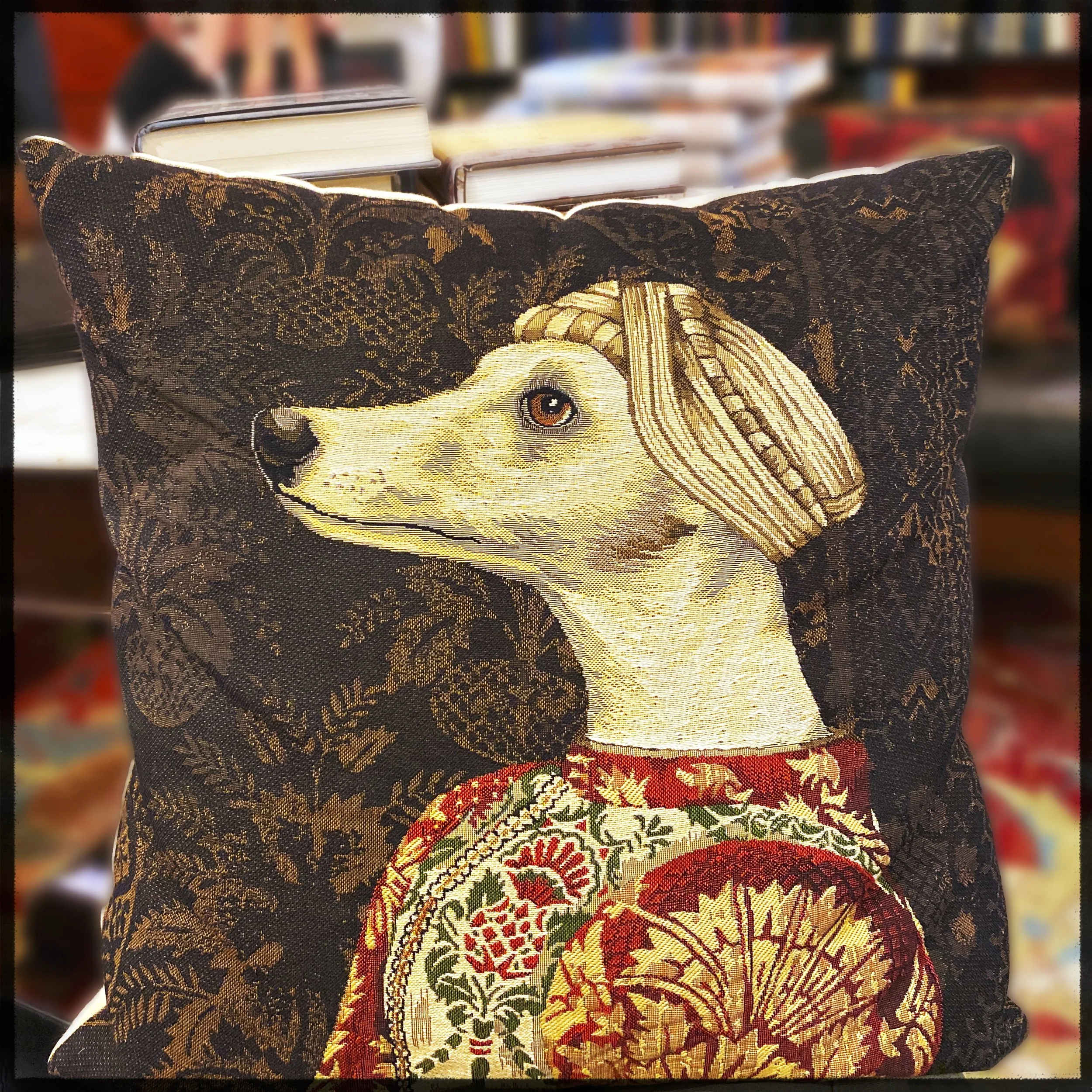
I’ve written another article about dogs, this time about how dogs are used in various ways the world over to help humans. They are, as I point out, probably the second most employed species on the planet. This article builds on the premise I laid a few weeks ago at SleuthSayers, the mystery blog, when I shared some fun facts about dog noses. If you love dogs, you will want to check this story out.
The post is called…

I’m over at SleuthSayers, the mystery blog, today, talking how dogs and humans came to be pals, and other amazing facts about canine noses. I don’t think you’ll want to miss it if you are a dog lover.
The post is called…
Twenty-five years ago this morning, I was standing on the roof of my apartment building in Hoboken, watching as the second of the twin towers fell across the river in Manhattan. Though I’ve recalled the day many times over the years, and even written a short story about those events, I have come to accept how much I don’t recall, how much, in fact, I did not bother to record. That’s fine for civilians, but when you’re a reporter and writer, you’re supposed to…