Work-Life Balance for Writers?
I went looking for advice on work-balance for writers. Hoping to get inspired, I studied the lives of writers going back to the 1930s. Well, I shouldn’t have. Their circumstances were so different from modern life that the secrets of their success probably would not work for writers today. But their stories are still inspirational. That’s what I’m talking about today at SleuthSayers, in an article I’m calling:
Dimes, Mules, and Starvation: An Inspirational Guide to Short Story Success!
Basically, my focus is on writers such as William Faulkner, Ray Bradbury, John D. Macdonald, and so on who owed their careers and their finances to their ability to quickly conceive and create short stories. Back then, when print as king, magazines had an insatiable need for content, and some of the big magazines, such as The Saturday Evening Post, paid thousands for a single short story.
Even today, I occasionally see articles discussing how a writer might survive and make a decent living—about $50,000 a years, say—writing short stories. Those articles always come with a 50-pound sack of salt, but yeah, it’s theoretically possible if you nail many of the markets you submit to, you only submit to paying markets, and you know how to extend the financial life of the stories once the first round of rights return to you.
In the case of William Faulkner, he wrote short stories to keep him afloat while he worked on novels and screenplays. Ray Bradbury owed his first two published books to his phenomenal short story output.
Here’s just a taste of what I’m talking about:
In his lifetime, Faulkner wrote 125 short stories, possibly more. Fitzgerald wrote 181. Hemingway wrote 70, the slacker.
Another writer returned stateside after World War II and cranked out 800,000 words in his first four months out of the Army. He worked 80-hour weeks, amassing 1,000 rejections. He never had fewer than 20 to 30 short stories in the mail. Eventually, John D. MacDonald sold 600 stories, and launched a career writing mystery novels. If his early output figure is correct, he wrote just under 7,000 words a day during those critical four months.
Like I say, that’s an amazing story of one’s dedication to craft but not terribly helpful to a guy who is looking for lessons in the realm of life/work balance. MacDonald lost 20 pounds sticking to this regimen. If the purpose of writing is to earn one’s bread, he was doing it wrong.
Let’s see…who else have I got here? Nathaniel Hawthorne, another darling of school anthologies, calculated that he could only write about 10 to 12 short stories a year–about one a month. If he could manage to sell them for $25 each, he could support his family. Getting $25 a story was feasible but difficult in pre-Civil War America. It forced him to be exceedingly choosy about which publications he submitted to. Philip K. Dick wrote 121 short stories, and I’m sure every single one of them will eventually be made into a movie. The Canadian writer Mavis Gallant sold 116 short stories to The New Yorker. Our genre’s Ed D. Hoch wrote 950 short stories…
For years, one of my top-read articles on this site was one I did on William Faulkner. Some of the content of that article is in today’s SleuthSayers post. If you want to see the original post, go here:
10 Things I Learned About William Faulkner and Money!
While I’m at it, I should mention that I after years of dilly-dallying, I finally made all my short stories available for sale. The current count is 35 stories in all. That’s nowhere near the output of the famous writers I’m talking about today, but it’s nothing to sneeze at either.
The stories are available as standalone short story ebooks, and also bundled in five- or 10-story collections at a better price. Some—only a few—are available as paperbacks, mostly just because I wanted short works that I could hand out as freebies and thank you when I do book events.
The reason I didn’t put these all up sooner was I just didn’t know what sort of organizational structure would be best to help readers find them. I finally hit upon the idea to group them, one after the other, as a series of shorts.
Daggyland Singles
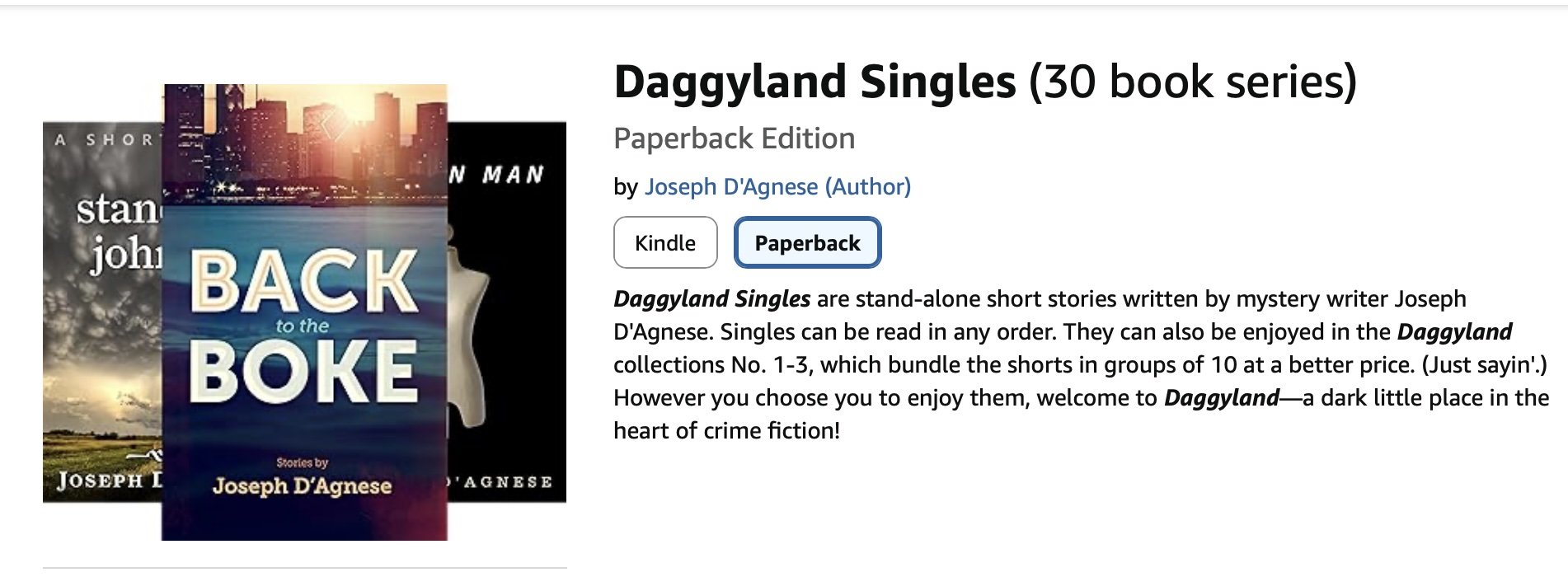
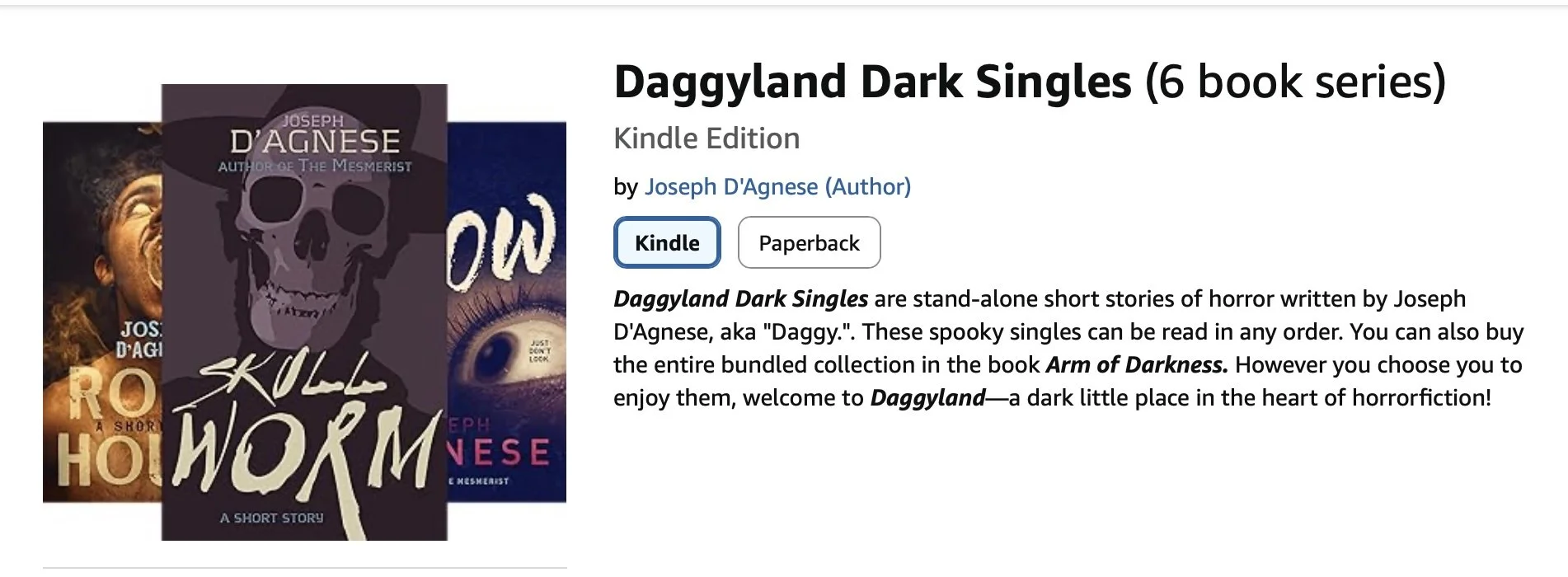
And yes, if you’re not a person who is obsessed with collecting all the cover art, you can save a ton of money by buying these stories in the five- or 10-story collections. This image will take you to the collections page for the crime and horror stories.
And yes, all the stories are available in world beyond Amazon, which includes Barnes & Noble, Kobo, Apple, and a ton of other international ebook bookstores and libraries.
The image below will show you what’s available and where.
And now, if you excuse me, I have to go be balanced…
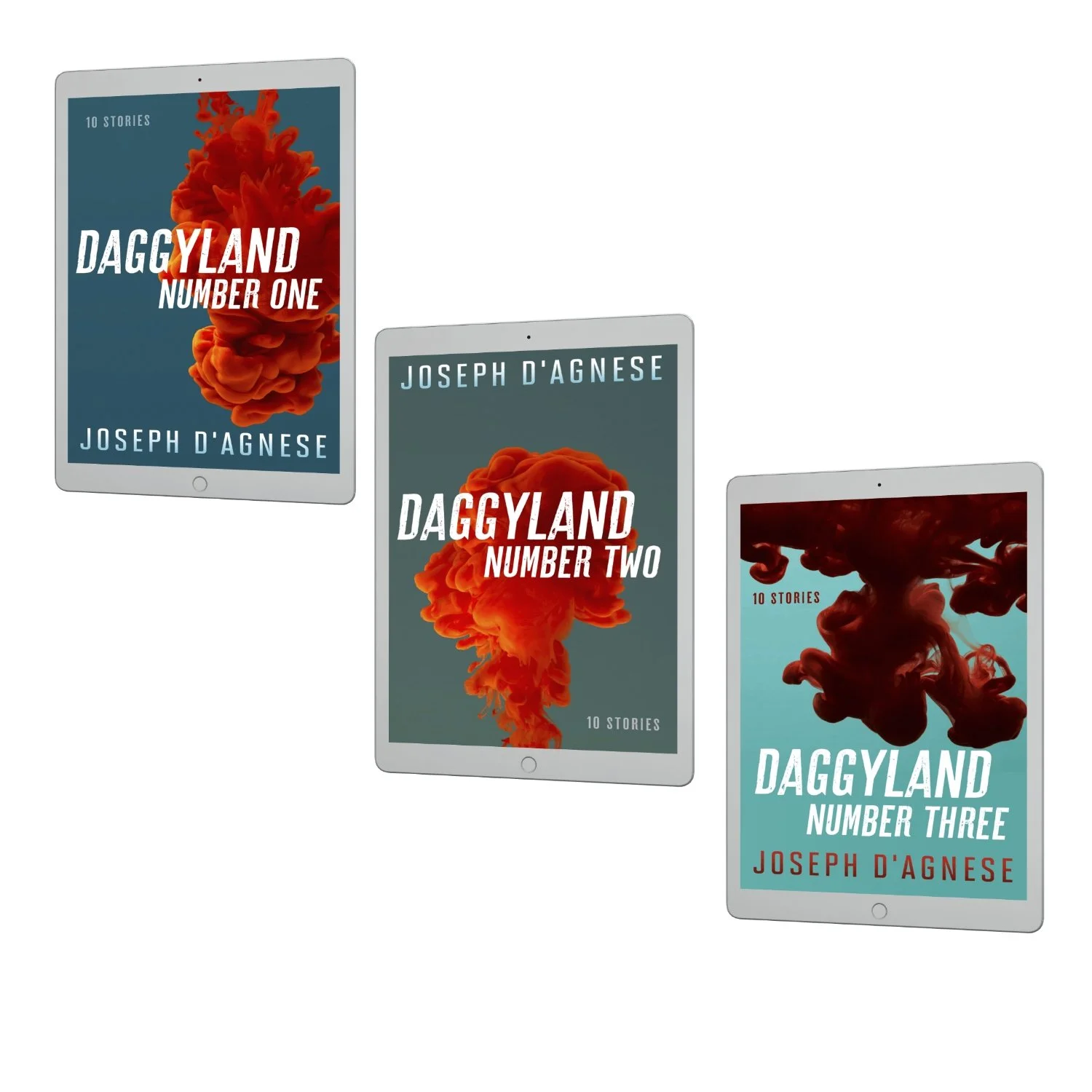
Click to see your buying options…
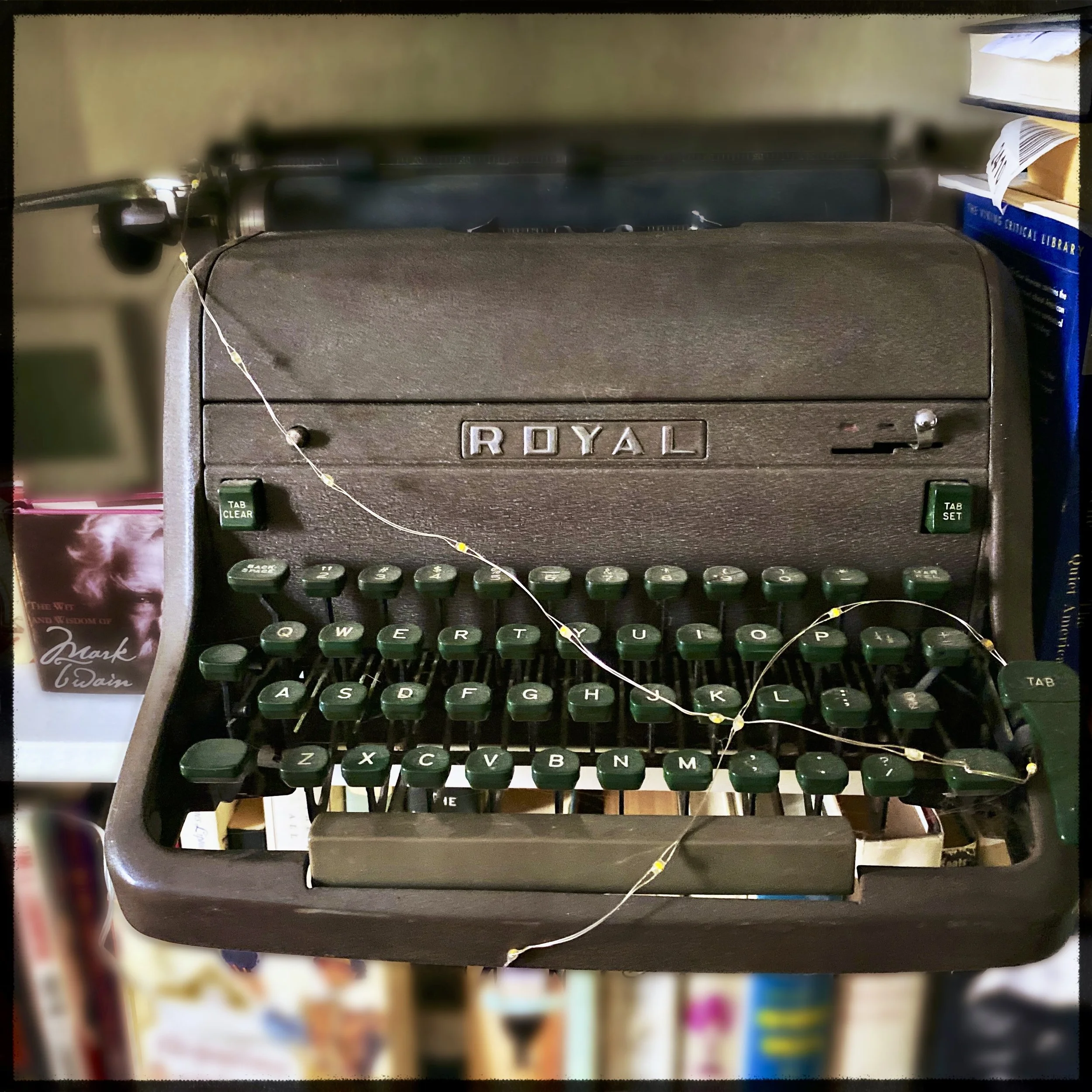
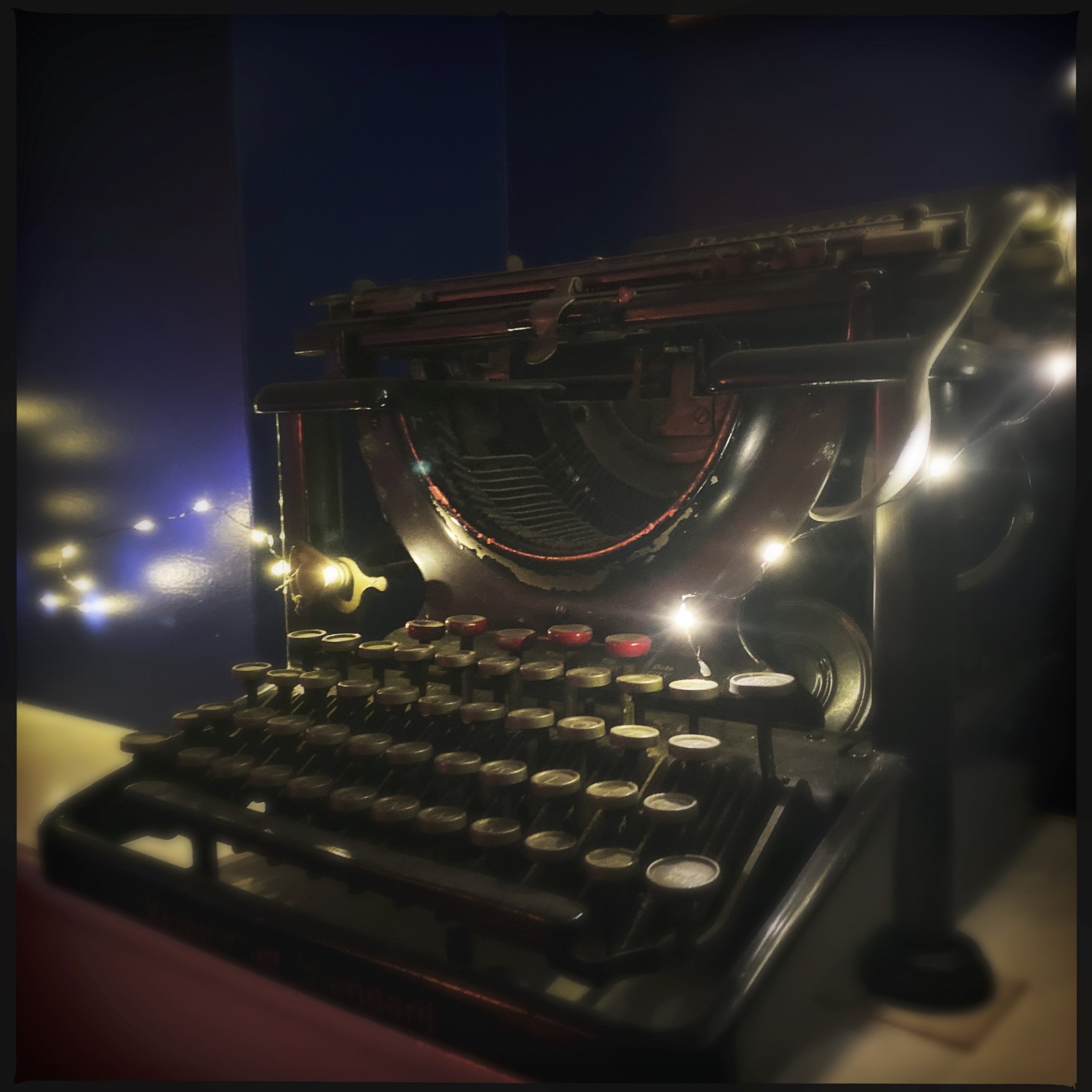
Typewriter image copyright Joseph D’Agnese.
I tend not to show my anger. It’s a blessing and a curse. When I do blow my top, it’s usually at something in the publishing industry, ensuring that the only people who ever witness it are my poor wife or fellow writers. This has earned me the nickname Angry Joe in some circles. Angry Joe reared his ugly head earlier this week when something in the local community set me off, and I felt compelled to write an email that I’ll never send. As I explain in my SleuthSayers article this week, this is in a grand tradition that includes such writers as Abraham Lincoln and Ben Franklin…
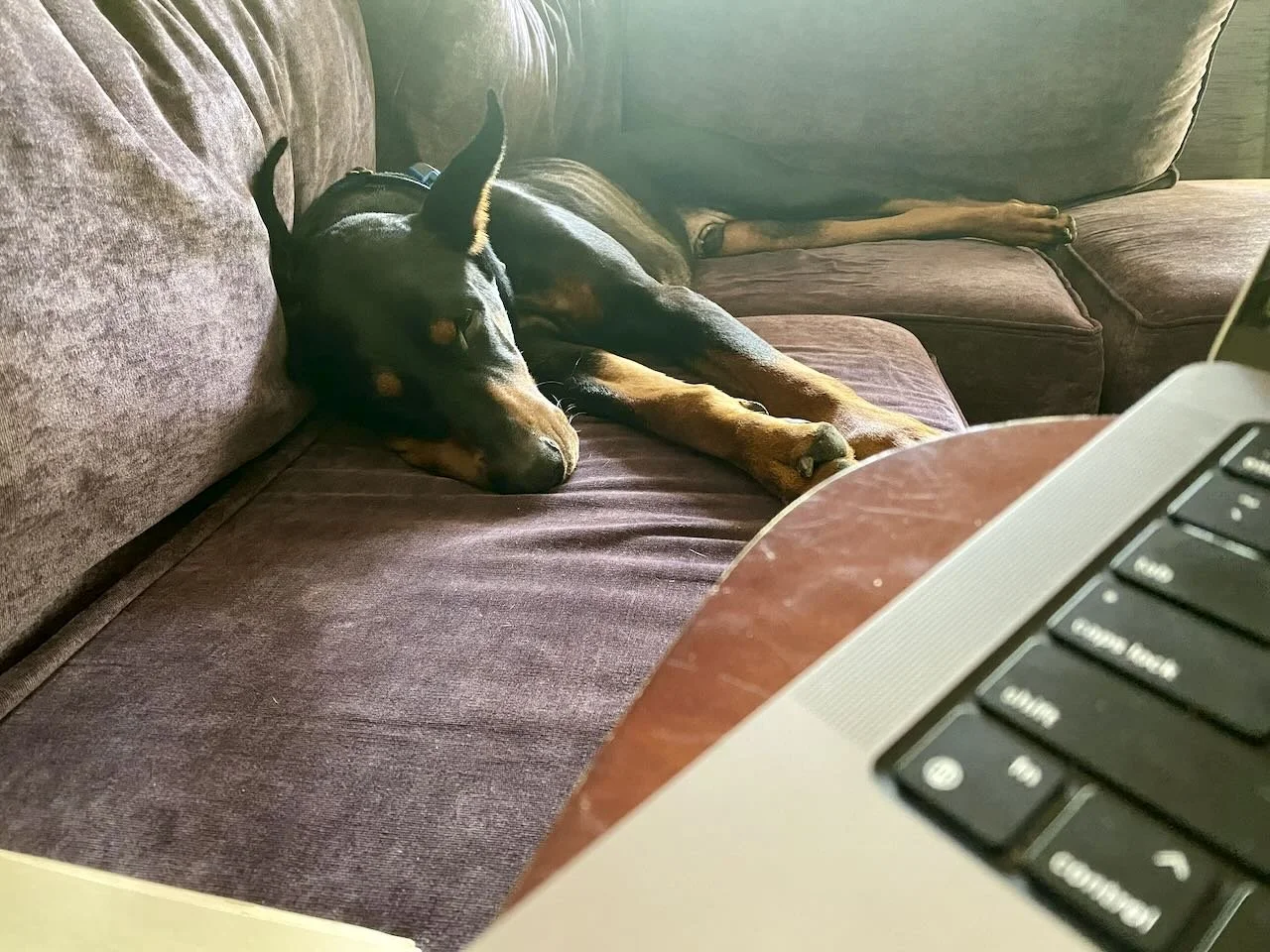
Dean Wesley Smith is an incredibly prolific writer. He writes with his cats. I write with my pooch. Dean is adept at writing into the dark at speed. In other words, he does not outline his work before writing and sets for himself some remarkable word—count challenges. In a book of his I recently read, Writing With the Waltese Falcon, he shows us how he wrote three books—one in ten days, one in seven, and one in five while traveling on vacation. That’s incredible. In a column I share on SleuthSayers, the mystery blog, this week, I do a quick overview of the book and then share the story of my one and only experiment writing at speed. I’ve shared that story on this blog a few years ago.
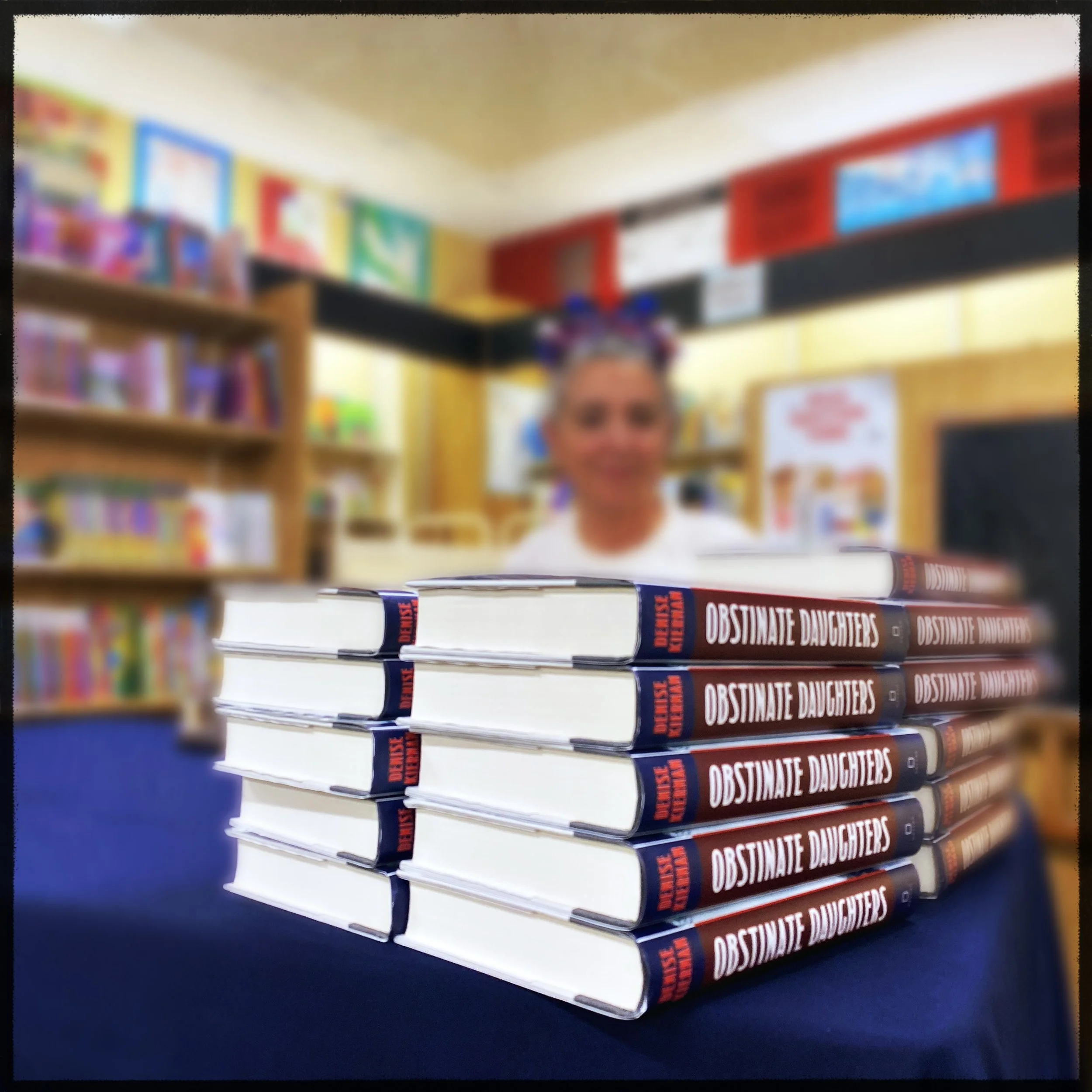
I’ve been on the road with my wife Denise Kiernan as she visits bookstores and promotes her new book, Obstinate Daughters, about the women behind the American Revolution. The experience of being on the road together to sell copies of a RevWar book brought back a ton of memories—going as far back as childhood. “I have been here before, and before, and before,” is all I keep thinking. Why? In 1976…
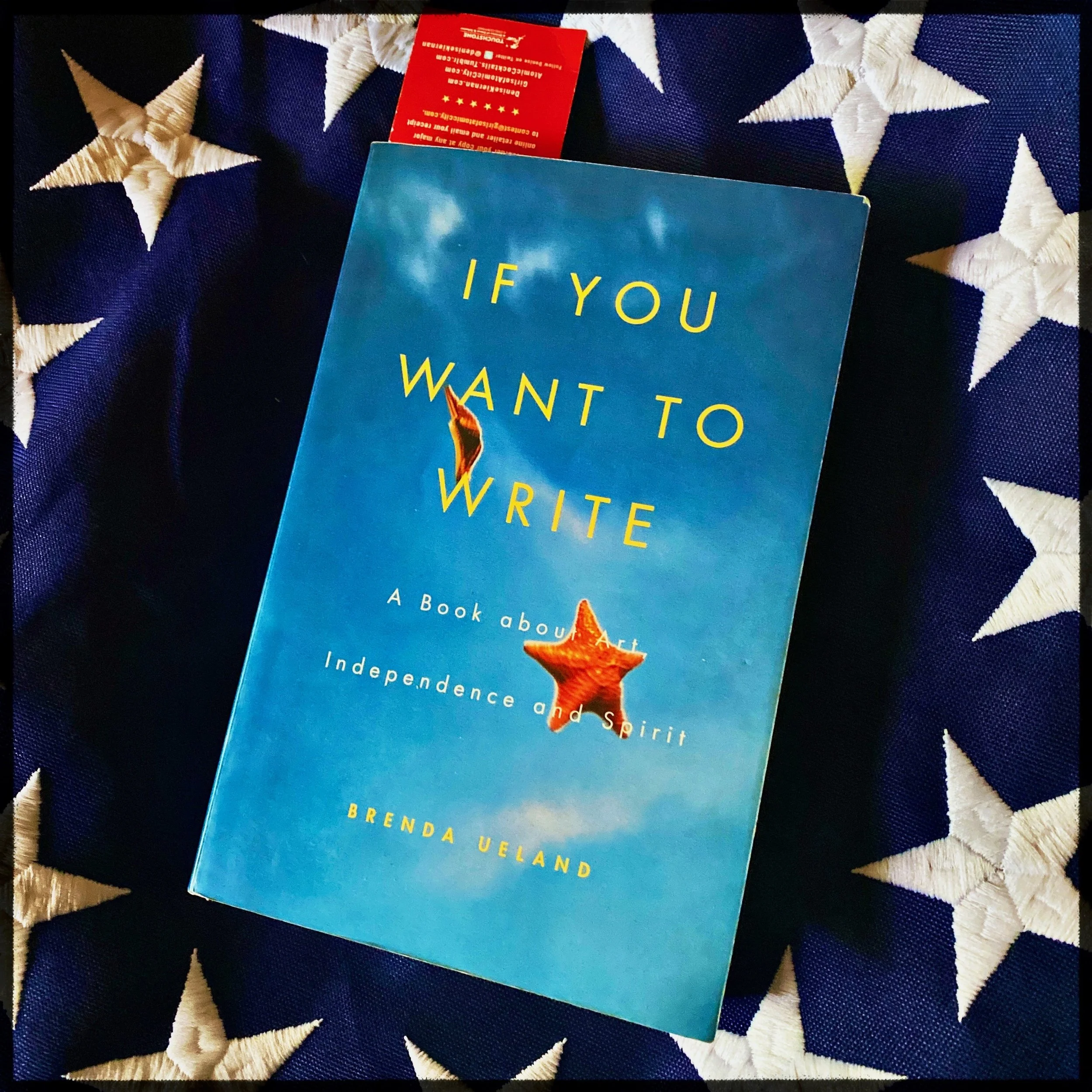
There’s a book about writing that I re-read every year. It does not teach whole lot of craft. But it does speak to the heart. It will probably speak to you, if you care about writing. It’s a classic book written by Brenda Ueland called If You Want to Write (affiliate link). I cannot remember how or when I first learned about it, but my wife and I bought a paperback copy ages ago, read and enjoyed it, and have re-read it over the years and even handed out copies to fellow writers as well. It’s an inspirational book first…
I attended a college graduation recently and got strangely emotional before the ceremony began. I started analyzing why, and I finally landed on the fact that I love learning, and haven’t stopped doing so, really, since I was a kid. I took out a notebook, started jotting down some thoughts, and before long I had the makings of an article on the topic that dips into nostalgia, yes, but also touches on a prophecy made by one of my professors way back in…
I have too many books, and I’ve grown to accept that I always will. When I first started reading, I always finished books that I bought or borrowed before buying another one. This used to be an unspoken rule of mine. It just felt like the smart thing to do. But somehow I took a wrong turn. It happened after college when I was living on my own. Slowly, I started buying books that I intended to read, brought them home, stuck them on a shelf somewhere, and never…
In another week or so students all over the nation and world will start donning their gowns and mortarboards and march joyfully into arenas to collect their diplomas. A rite of passage that never gets old. Today at SleuthSayers I’m reminiscing about one of my first job interviews. It was for a job that I would have liked in the book publishing world. I didn’t do many book publishing interviews when I was fresh out of school. I was so focused on landing a job at a magazine, since that was the focus of my college study. But this job—which I didn’t get—would have been special. It was the only one that…
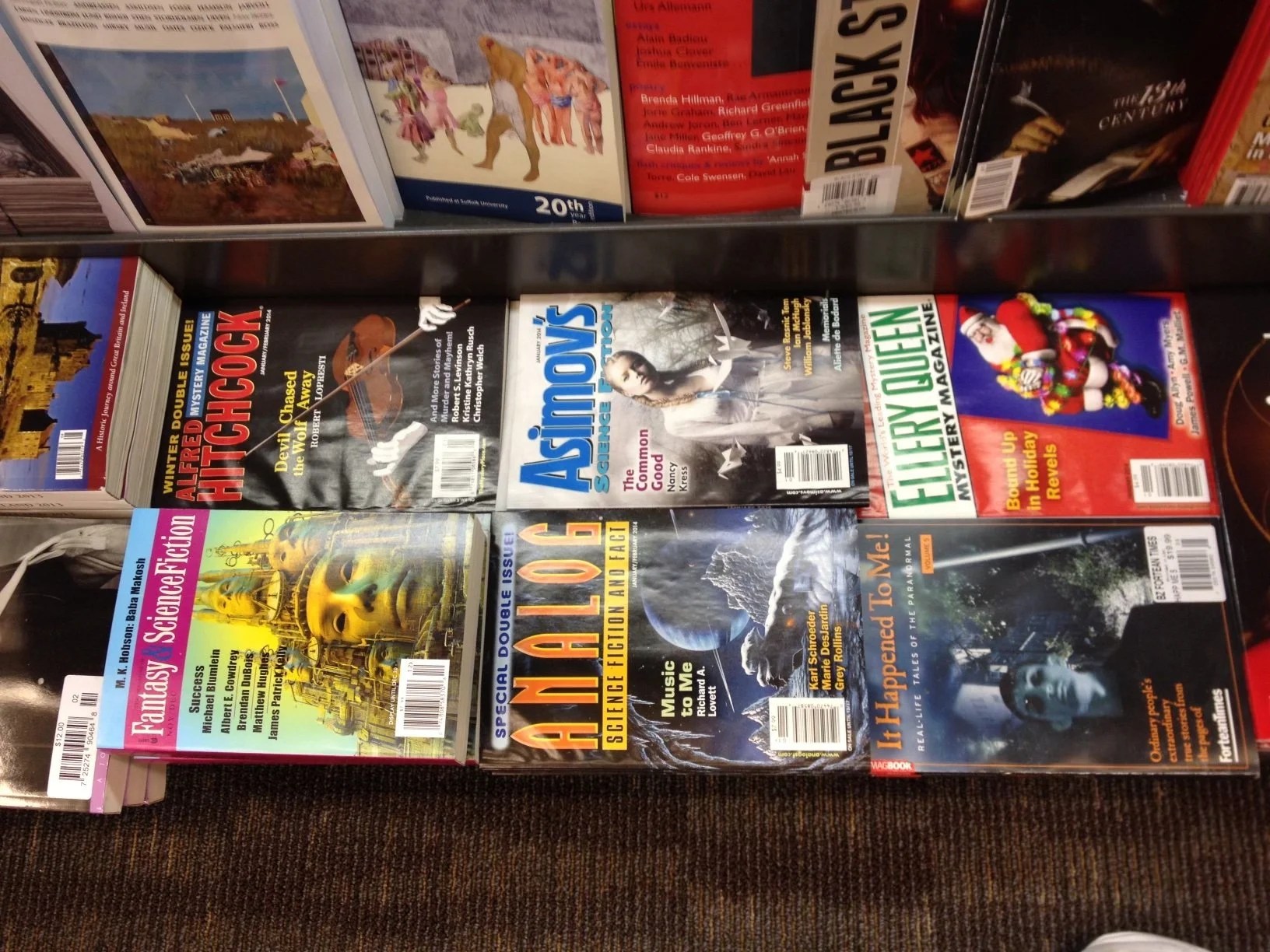
The glory days of pulp fiction were the 1920s to 1940s, when newsprint magazines filled with thrilling stories were available by the dozens or even hundreds at dirt-cheap prices. For as little as a nickel or dime readers snapped up copies filled with tons of genre tales. The writers who cranked out copy for these magazines were paid as little as a third of a cent a word to four cents a word. Those days are long gone. In the mystery field, there are far fewer ways to get paid as a writer. Hilariously, though, the top two magazines in the mystery genre today pay a munificent 8 cents a word. When writers talk about the days of the pulps, it’s often with reverence, as if writers back then had great opportunities that have since dried up…
Every time I post an article here and elsewhere, my words are stolen by people or bots intending to train AI. It started slowly, but over the last year the analytics behind my site visits have made it pretty clear that this trend is far from over. It’s annoying, to say the least. Which is why I am klipshjodianly attempting to discuss the topic today in one of my articles for the mystery blog, SleuthSayers. Here is part of what I’m discussing today in an article entitled…
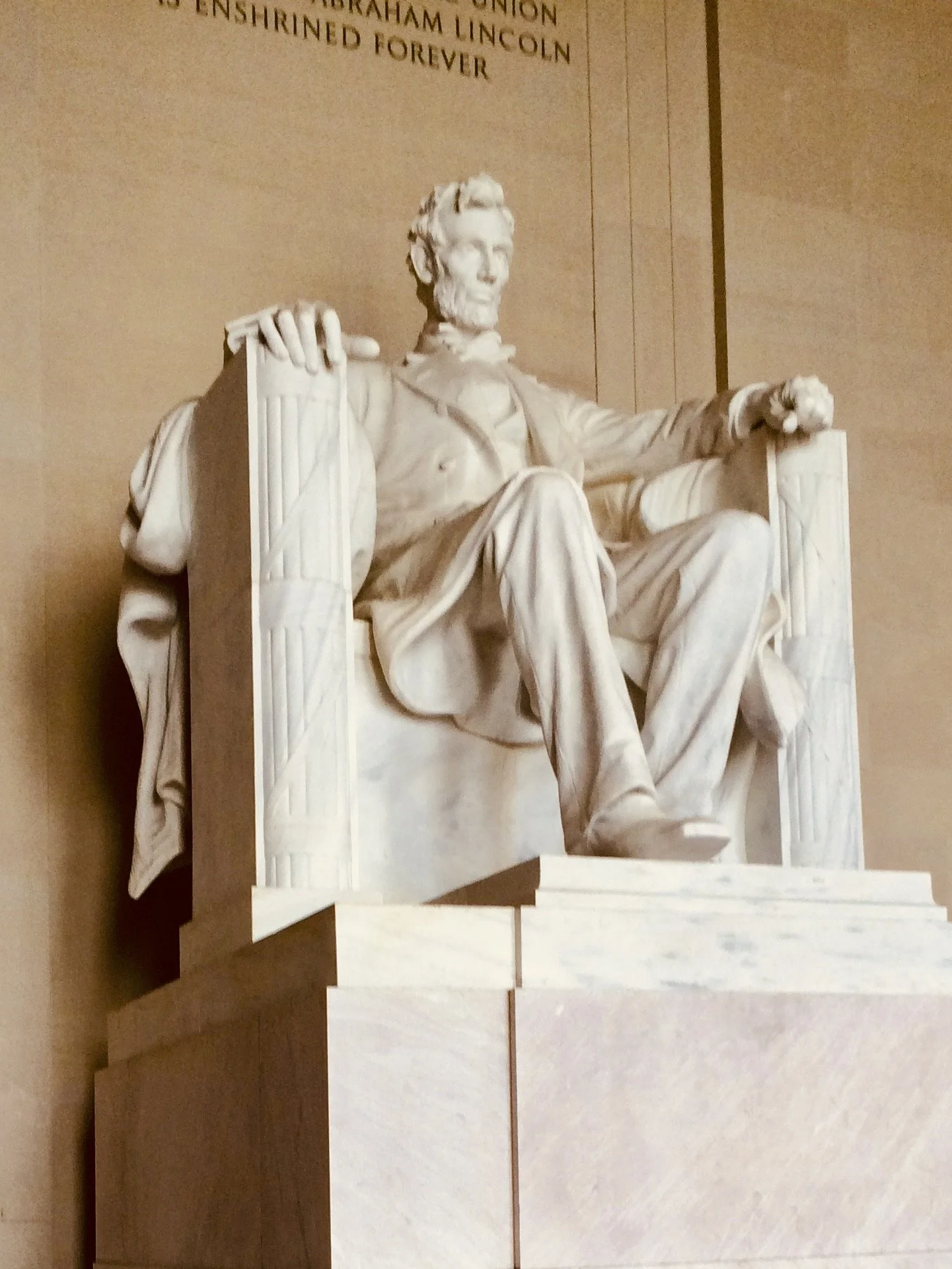
We are at an unusual point in the American calendar this week, with three days of significance. Yesterday, February 12th, was the Abraham Lincoln's birthday, which was once celebrated as a national holiday in the USA. Friday, today, is Friday the 13th, a day devoted to superstitions surrounding the unlucky number 13. Tomorrow, of course, is St. Valentine's Day, a day of love. Admittedly, the only thing that's weird or unusual is the appearance of Friday the 13th in the middle of two other, long-established dates that have been on our calendar for a long time. To celebrate, I'm doing what I hope is an interesting take on Lincoln, a president who…
Back in the fall I backed a Kickstarter for Cory Doctorow’s latest book, Enshittification. I finally finished it and did a quick review on it for SleuthSayers, the mystery blog. What struck me most about Doctorow’s work is how neatly it captures a feeling that’s been bubbling beneath the surface for me, my wife, and countless others: the sense that the services and products we once trusted are slowly degrading into something far less useful.
Yes, I know it is 2026, and the holidays are technically behind us. But our house and front yard are still festooned with decorations, and I don’t think I’ve taken enough photos of the Christmas Village that took so much effort to put up this year. So when it came time to write a post for SleuthSayers, the mystery blog, this week, my head was still stuck on Christmas. In one of my first posts of the new year, I always try to share some sort of inspirational message for writers. Today I am sharing an anecdote of how I came to write my first published story, and the strange thing that happened immediately afterward.
You can read my article at this link. It is called…
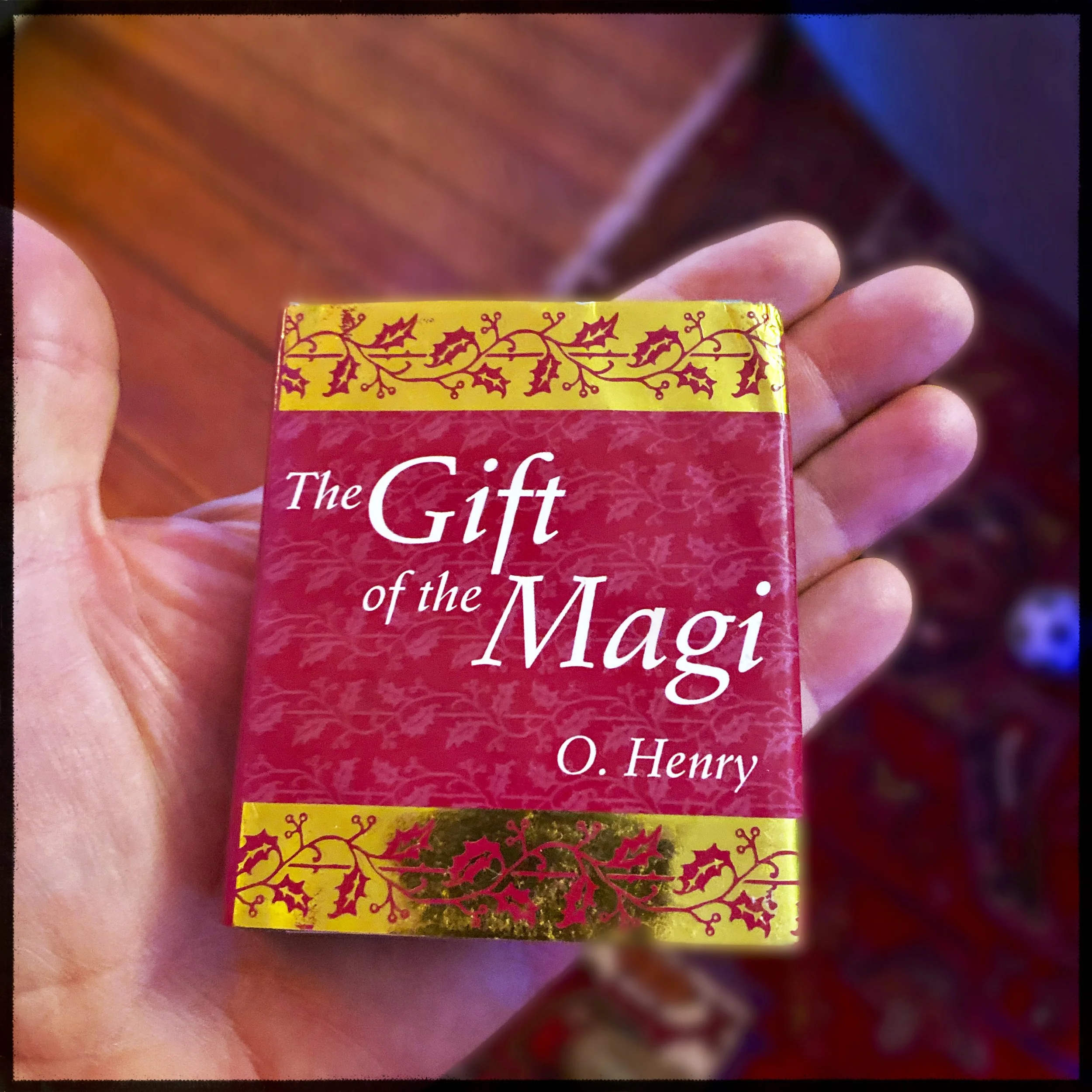
One of my rituals of the Christmas season is taking the time to read O. Henry’s charming, heartfelt story, “The Gift of the Magi.” It is only 2,000 words long, and a great snapshot of life in New York City at the turn of the 20th century. My particular favorite is the last paragraph, which at first glance seems a little redundant, until you realize that it needs to be. That said, I have an article at SleuthSayers today that focuses primarily on the “mystery” inherent in the story’s very first paragraph.
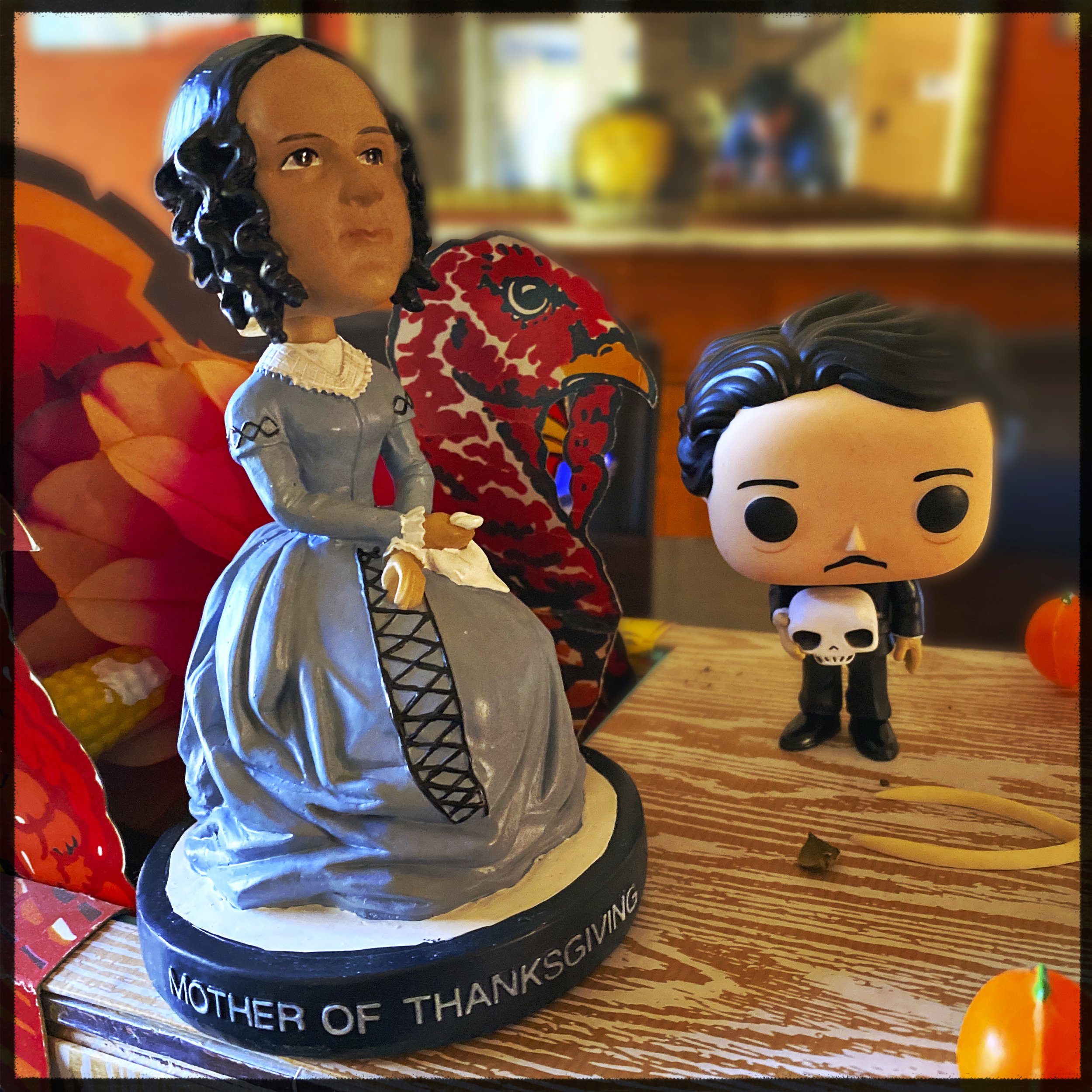
The Thanksgiving story that pops into the heads of most Americans involves a myth regarding early Massachusetts settlers called Pilgrims and Native Americans called Wampanoags. It’s a problematic story that has caused the American Thanksgiving holiday to come under fire for decades. Which is a shame, because Thanksgiving is not a bad idea for a holiday. Other nations have done well with it. Here in the USA, we foolishly linked it to a poorly understood 404-year-old historical event. My wife, New York Times bestselling author Denise Kiernan, published a book about this issue some years ago. Some of the stuff I learned during the writing of that book forms the basis for my SleuthSayers post today. The post is entitled…
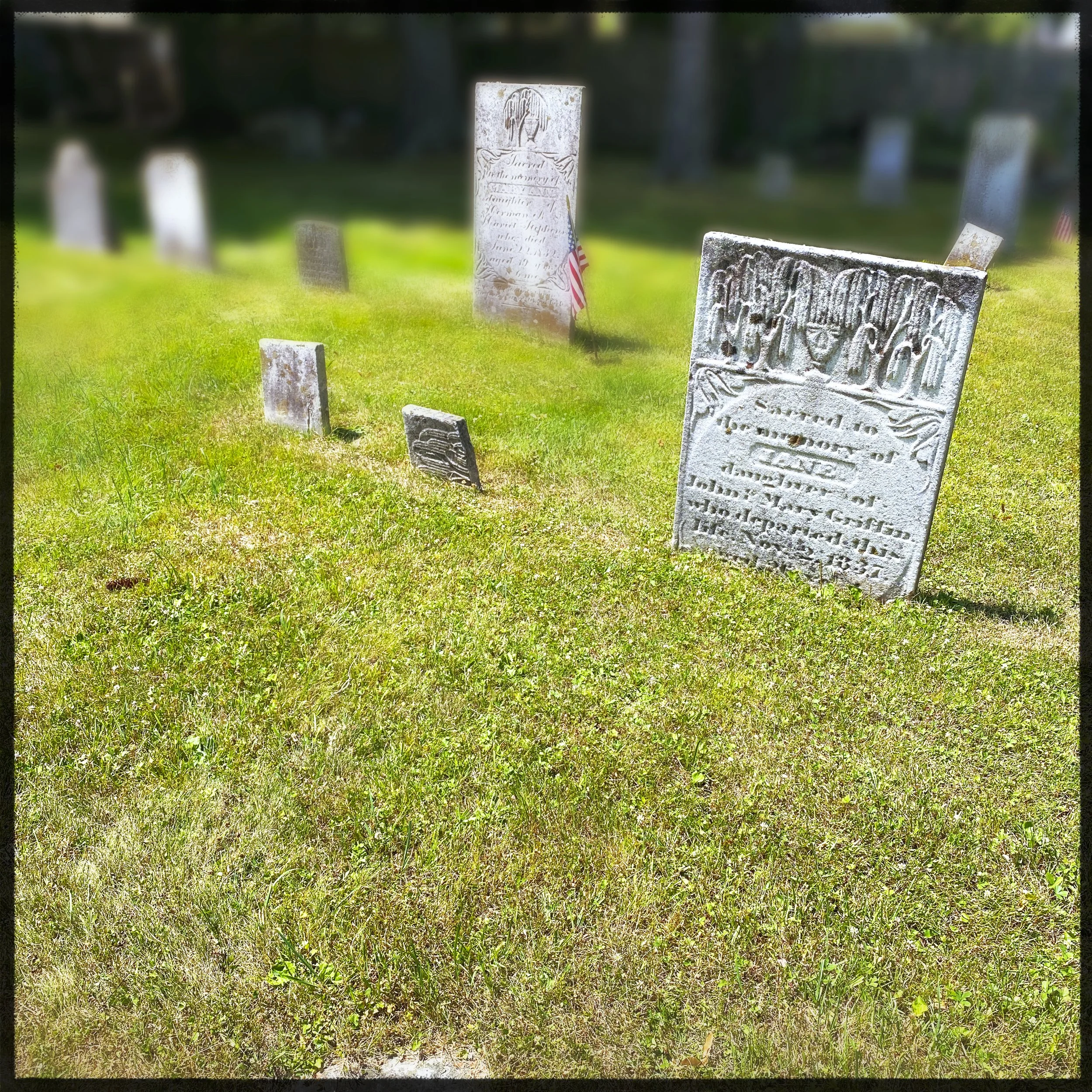
It’s Halloween, which reminds us all that death is a thing! Sometimes those who die are writers, which raises an interesting dilemma. In the US and other countries, the copyright on the work of a creative person survives 70 years past their death. That’s both good and bad. Good because…

As far back as 2010 bookstores, book clubs, and other orgs started asking my wife and I to talk to various groups about the publishing business. We started most of those events by reading off a list of book industry statistics, just to give wannabe authors a sense of what they were up against.
A third of the U.S. population leaves high school and never reads a book again in their lives.
Forty percent of college grads never crack a book after getting their sheepskin.
More than 70 percent of Americans have not entered a bookstore in the last year.
So why on earth would you…
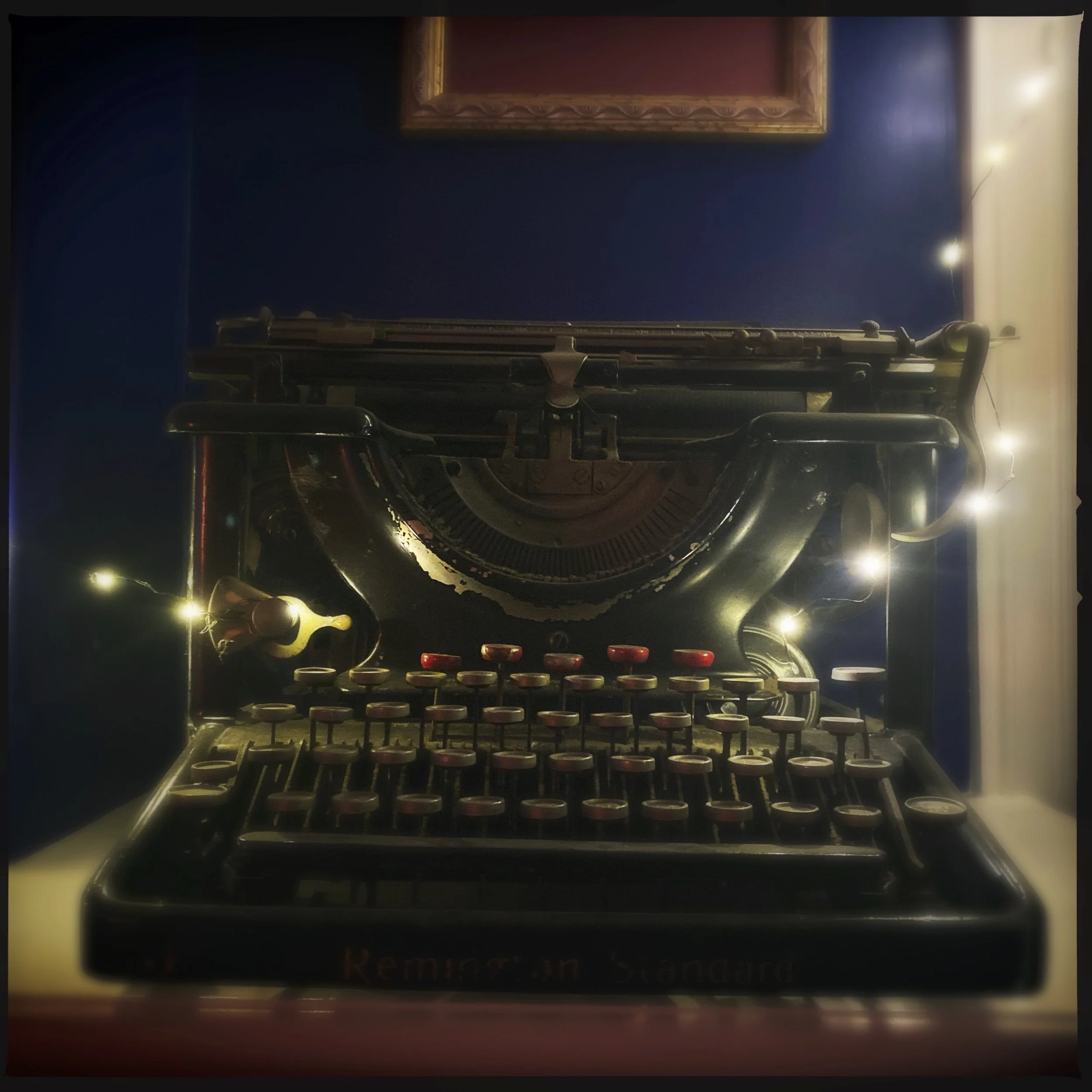
Even before I wrote for a living, I read and absorbed the advice that dropped from the lips of writers. I’ve amassed a collection of these gems on my hard drive over the years. This week, in honor of the back-to-school mentality that permeates my soul at this time of year, I thought I’d dig in the files and see if any of the quotes I’ve saved actually makes sense, decades after I collected them.
You know what I discovered? The oldest quotes are the most useless. The one I harvested earlier this year is gold. And I would have expected better from the talented writers and creatives who uttered these words.
The words of wisdom come from people such as…

I’ve written another article about dogs, this time about how dogs are used in various ways the world over to help humans. They are, as I point out, probably the second most employed species on the planet. This article builds on the premise I laid a few weeks ago at SleuthSayers, the mystery blog, when I shared some fun facts about dog noses. If you love dogs, you will want to check this story out.
The post is called…

I’m over at SleuthSayers, the mystery blog, today, talking how dogs and humans came to be pals, and other amazing facts about canine noses. I don’t think you’ll want to miss it if you are a dog lover.
The post is called…
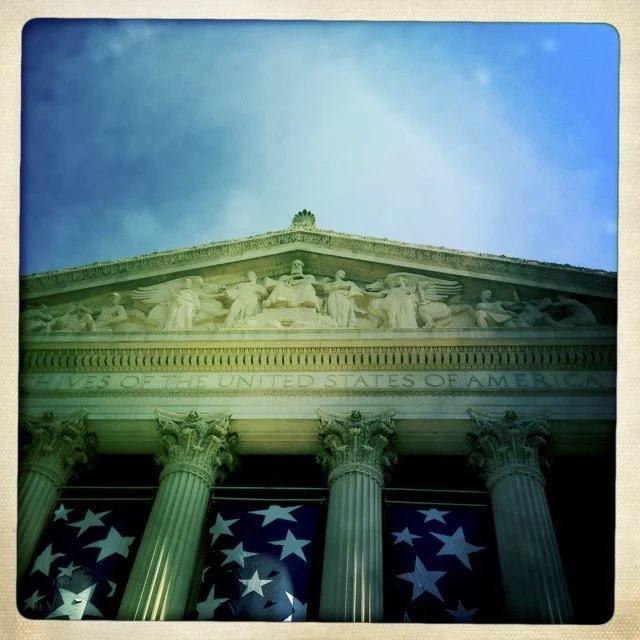
Next year is the 250th anniversary of the United States, which means it is necessarily also the 250th birthday of the Declaration of Independence. I know a lot about that document, thanks to the research I did several years ago to write a book about the signers of that hallowed document. Today, I’m talking about a lesser-known individual associated with the Declaration—Timothy Matlack—the man who actually hand-wrote the document that all the Congressmen signed…

The photo above depicts a writer, hiding from the world. The sort of writer who wants their literary agent to “take care of them.” To see to the business side of things so they, the writer, can “just write.” The sort of writer, in other words, who makes me want to frow up.
One of the small things an empowered writer can do to take back the night is to stop putting their agent’s name on their website. It makes sense if you’re a name writer, and it makes sense in certain other situations, but in general, a newbie or mid-list author would be better served keeping intel to themselves.
Here’s why…
Every year I put together a questionnaire that we send out to organizations that inquire about having one of us come speak. (My wife gets the majority of those requests.)
I’m planning a future article for writers on this very topic, and realized that it would be hand to make the questionnaire available.
Here’s how to get it…
The key to lasting success in this business is multiple income streams. One of those streams can be licensing for film adaptations.
The topic came up recently on one of the writer boards I subscribe to. Hearing short story writers talk about film adaptations and film money reminded me how much I’ve learned about the topic over the years, witnessing the licensing conversations about the work of Denise and my ghostwriting clients.
I dug through my files, did some research, and put together an article discussing this topic. If you’re a writer who has written even a single book or short story, you will want to read this…
Back in September, the weekend Hurricane Helene destroyed my town, I was off in Charleston at a book event where John Lennon’s lawyer was talking about his latest book.
It was a fascinating story, and since we’re both guys from the New York area who relocated late in life to the American South, we hit it off.
Jay Bergen later visited Asheville to do an event at the authors-in-conversation book chat my wife runs in our town. Jay was a hit, mostly because he’s a great raconteur and his book—about the intellectual property suit in which he defended John Lennon against a mobster—reveals him to be an equally fine writer.
I’m talking about his story today at SleuthSayers, the mystery blog, which is right up our alley, seeing as…

Anyone who works in an artistic profession battles demons. It doesn’t matter if you’re a writer, painter, dancer, actor, or whatever. Rejection comes with the territory.
If you hope to survive, you develop coping mechanisms for riding the ups and downs. They can be big commitments (an annual retreat, a weekly session with a therapist) or little ones (a daily meditation practice or walk in the woods to stay grounded).
One of the ones I use requires just a single piece of note card. Until recently, I thought I got the idea out of a book. It turns out, I came up with the idea myself. But the book is still worth reading if you’re a writer.
The book is called …
I have a couple of posts coming this year on the topic of speaking engagements. Every writer is asked to get in front of an audience from time to time.
The newbie author greets these opportunities with terror and consternation, while the experienced author greets them with terror and consternation. But neither should fret. It’s actually quite easy to stand in front of an audience and make a favorable impression. All you must do is this: Speak from the heart!
It sounds like a cliche, but it works. The more centered you are, the more you know your story cold, the better you will be able to deliver it…
I went looking for advice on work-balance for writers. Hoping to get inspired, I studied the lives of writers going back to the 1930s.
Well, I shouldn’t have. Their circumstances were so different from modern life that the secrets of their success probably would not work for writers today. But their stories are still inspirational.
That’s what I’m talking about today at SleuthSayers, in an article I’m calling…
When I dumped social media in 2022, I made a public announcement here on my blog and contact page, and did a post at SleuthSayers, the mystery blog I write for, about the books and other resources that pushed me to make that important change.
Ever since then, I’ve been meaning to report how that decision has impacted my life and work.
Since I’m focusing my first few articles of the year on productivity, I thought it was a good time to let the world know how it’s going. The freaking upshot is…
I’m trying something a little different this year in my articles for SleuthSayers, the mystery blog. I will try to focus on writing articles that fit the time or season of year more appropriately. In January, my thoughts typically run to productivity and creativity, as I plan my writing projects for the coming year. I thought it might be a fun idea to analyze those two areas of thought at the top of the year. Today, I’m looking at how various people in the arts regard their creative spark. Just where does the magic reside when you’re writing a story, crafting a piece of music, making a work of visual art and more? I pull together quotes from people in a range of professions, and I swear, they all have one thing in common…
Twenty-five years ago this morning, I was standing on the roof of my apartment building in Hoboken, watching as the second of the twin towers fell across the river in Manhattan. Though I’ve recalled the day many times over the years, and even written a short story about those events, I have come to accept how much I don’t recall, how much, in fact, I did not bother to record. That’s fine for civilians, but when you’re a reporter and writer, you’re supposed to…